
Mastering Construction Project Management: Strategies for Success
Practical Strategies to Streamline Your Construction Projects for Efficiency and Success

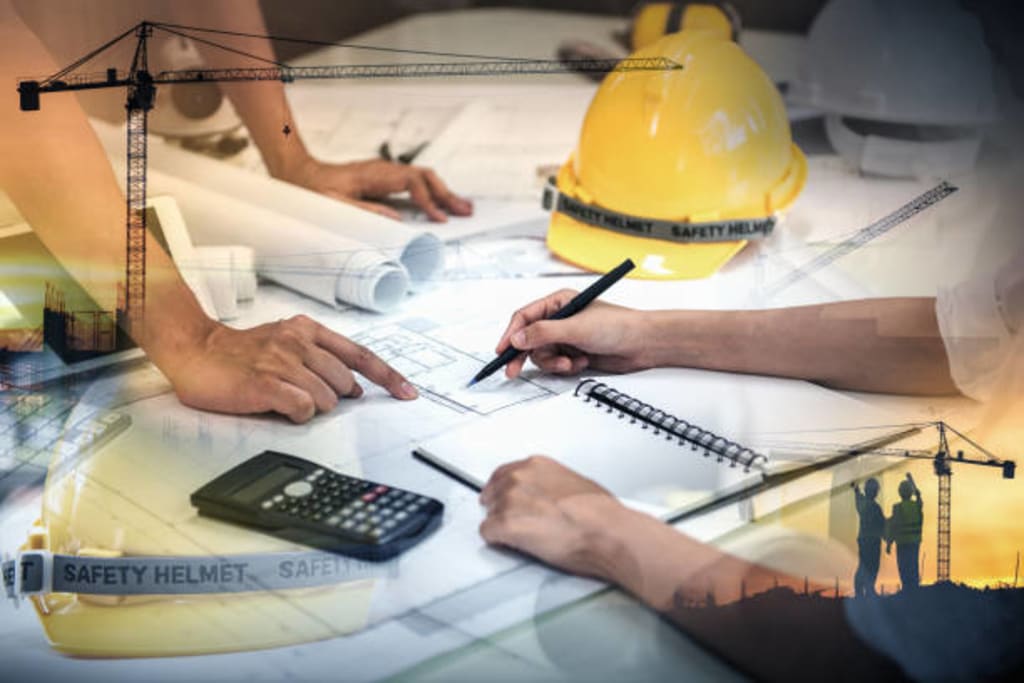
Construction project management is a critical skill that ensures projects are completed on time, within budget, and to the desired quality. Whether you are overseeing a residential development, a commercial project, or infrastructure work, effective management can make the difference between success and failure. Here, we explore practical strategies to master construction project management and achieve your goals.
Understanding the Basics of Construction Project Management
Construction project management involves planning, coordinating, and overseeing all aspects of a construction project. This includes budgeting, scheduling, resource allocation, quality control, and risk management. A project manager acts as the central figure, ensuring that the various teams, such as architects, engineers, and contractors, work together seamlessly.
To succeed in this role, it is important to understand the project’s scope, objectives, and deliverables. Clear communication with stakeholders, including clients and team members, helps set expectations and align efforts towards a common goal.
Develop a Detailed Plan
Planning is the foundation of every successful construction project. A comprehensive project plan should outline:
- Project Scope: Define what the project will and will not include. This prevents scope creep, which can lead to delays and cost overruns.
- Timeline: Break the project into phases and assign deadlines. Use tools like Gantt charts to visualize the schedule and identify dependencies between tasks.
- Budget: Estimate costs for labor, materials, equipment, and contingencies. Monitor expenses closely to avoid overspending.
- Resources: Identify the required workforce, equipment, and materials. Ensure their availability when needed.
A well-thought-out plan serves as a roadmap and makes it easier to address challenges as they arise.
Leverage Technology
Modern technology plays a significant role in construction project management. Tools like project management software, Building Information Modeling (BIM), and mobile apps can streamline operations and improve collaboration. Here are some ways technology can help:
- Real-Time Communication: Use messaging and video conferencing apps to stay connected with your team, even when working remotely.
- Data Management: Cloud-based platforms allow you to store and access project documents, drawings, and reports in one place.
- Progress Tracking: Digital tools enable you to monitor progress and make adjustments in real time.
Adopting the right technology can save time, reduce errors, and enhance productivity.
Focus on Communication
Clear and consistent communication is key to successful construction project management. Misunderstandings or lack of information can lead to costly mistakes. To maintain effective communication:
- Hold Regular Meetings: Schedule meetings to discuss progress, address concerns, and align everyone’s efforts.
- Provide Updates: Keep stakeholders informed about the project’s status, challenges, and changes.
- Encourage Feedback: Create an environment where team members feel comfortable sharing ideas and concerns.
A strong communication strategy ensures that everyone stays on the same page.
Manage Risks Proactively
Every construction project faces risks, such as unexpected weather, material shortages, or design changes. Identifying potential risks early and creating a mitigation plan is essential. Here’s how to manage risks effectively:
- Risk Assessment: List potential risks and evaluate their likelihood and impact.
- Mitigation Strategies: Develop contingency plans for each risk.
- Monitor Continuously: Keep an eye on project developments to address new risks promptly.
Proactive risk management minimizes disruptions and keeps the project on track.
Build a Strong Team
The success of a construction project heavily depends on the people involved. Assemble a skilled and reliable team, including project managers, architects, engineers, contractors, and laborers. To build a strong team:
- Define Roles Clearly: Ensure everyone knows their responsibilities.
- Provide Training: Equip your team with the necessary skills and knowledge.
- Foster Collaboration: Encourage teamwork and open communication.
A motivated and cohesive team can overcome challenges and deliver excellent results.
Monitor Progress and Performance
Regular monitoring helps you stay informed about the project’s status and make informed decisions. Key performance indicators (KPIs), such as budget variance, schedule adherence, and quality metrics, can provide valuable insights. To monitor effectively:
- Conduct Site Inspections: Visit the site regularly to assess progress and identify issues.
- Use Reports: Review daily or weekly reports from team members.
- Update Plans: Adjust timelines or resources as needed to address delays or changes.
Tracking progress ensures that the project stays aligned with its goals.
Maintain Quality Standards
Quality is a non-negotiable aspect of construction. Poor workmanship or substandard materials can lead to costly rework and damage your reputation. To ensure quality:
- Set Clear Standards: Define quality benchmarks and communicate them to the team.
- Conduct Inspections: Perform regular quality checks at various stages of the project.
- Address Issues Quickly: Fix defects or deviations promptly to avoid further complications.
A focus on quality ensures client satisfaction and long-term success.
Emphasize Safety
Safety is a top priority in construction. A safe work environment protects workers, reduces accidents, and improves productivity. To promote safety:
- Follow Regulations: Adhere to local safety laws and industry standards.
- Provide Training: Educate workers on safety protocols and proper equipment usage.
- Inspect Regularly: Ensure equipment is in good condition and the site is free from hazards.
Prioritizing safety not only protects lives but also prevents costly delays.
Conclusion
Mastering construction project management requires a combination of planning, communication, technology, and teamwork. By following these strategies, you can effectively manage resources, mitigate risks, and deliver high-quality projects on time and within budget. Each project presents unique challenges, but with the right approach, you can navigate them successfully and build a reputation for excellence in the construction industry.
About the Creator
Sumedha Biswas
Hi, I am a Creative Thinker, Insatiably Curious, Results-Driven highly energetic and enthusiastic professional with nearly 5+ years of experience in writing content for blogs, websites, and company portals.
Keep reading
More stories from Sumedha Biswas and writers in Education and other communities.
The Future of ENT Surgery with Minimally Invasive Tools
Ear, Nose, and Throat (ENT) surgery has seen remarkable advancements in recent years, thanks to the development of minimally invasive tools. These tools are transforming the way ENT conditions are diagnosed and treated, offering patients safer and more effective procedures. With reduced pain, shorter recovery times, and improved outcomes, the future of ENT surgery is brighter than ever.
By Sumedha Biswasabout a year ago in Education
Hosting a Book Fair
How many of you remember the “best week ever!” from when you were a child? Book fairs were the staple of many of our childhoods with Scholastic leading the way. While there are many choices for book fairs today and I absolutely want to talk about them, that’s going to be a later article.
By Reb Kreyling6 days ago in Education
Communicating with Confidence: Building Trust Through Simplicity
Trust is the cornerstone of any meaningful relationship, whether professional or personal. At the heart of trust lies the ability to communicate clearly. People naturally respond to straightforward, reliable, and easy-to-understand information. Professionals who prioritize clarity establish credibility and foster confidence in others. Clients, colleagues, and partners feel assured that they can make informed decisions when the messages they receive are transparent and well-articulated.
By Stacey Yim4 days ago in Education




Comments
There are no comments for this story
Be the first to respond and start the conversation.