
Mastering Body Recomposition: Tips for Fat Loss and Muscle Gain
Understanding Body Recomposition: The Science Behind Fat Loss and Muscle Gain

Ever thought about burning fat and building muscle at once without endless workouts? The fitness world has long debated whether body recomposition is possible. It challenges old ideas about growing muscle and losing fat.
It might seem like a dream to lose fat and gain muscle at the same time. But new research shows it’s more doable than you think. Your body can change more than we used to believe.
Learning about body recomposition can change your fitness journey. It needs smart nutrition, focused workouts, and knowing how your body reacts to training.
Key Takeaways
Body recomposition challenges traditional fitness paradigms
Scientific evidence supports simultaneous muscle growth and fat loss
Personalized strategies are crucial for successful transformation
Metabolic flexibility plays a significant role in body composition
Proper nutrition and training are essential for achieving dual fitness goals
Understanding Body Recomposition: The Science Behind Fat Loss and Muscle Gain
To transform your body, you need to know how fat loss and muscle gain work together. Your body can burn fat and build muscle at the same time. This is thanks to important scientific factors.
Hormonal Influences on Muscle and Fat
Hormones are key to changing your body. Testosterone, growth hormone, and insulin help control how you grow muscle and lose fat. They decide how your body uses nutrients and energy.
Testosterone promotes muscle protein synthesis
Growth hormone supports fat metabolism
Insulin manages nutrient storage and energy utilization
Metabolic Processes During Recomposition
Your body’s metabolism changes when you gain lean muscle. Nutrient partitioning is vital. It decides if calories go to fat or muscle.
Genetic Factors and Individual Variations
Genetics affect how easy it is to change your body. Some people naturally build muscle and lose fat faster. Others need a more detailed plan to reach their goals.
Knowing these science basics helps you tailor your body transformation plan. It shows that your body’s unique traits are key to success.
The Truth About Caloric Balance for Simultaneous Changes

Understanding how to gain muscle while losing fat is complex. It involves knowing how your body works with food and exercise. Your body’s ability to do both depends on several important factors.
It’s hard to lose fat and gain muscle at the same time. The reality is more complex. What you eat is key to whether you can do both.
Caloric intake must be carefully calibrated
Protein consumption remains crucial
Individual metabolic differences matter significantly
Where you start affects how you can change your body. Beginners and those with more body fat can do both more easily. But, for more experienced athletes, it’s harder.
Successful body recomposition requires precision in nutrition and strategic training.
While losing fat and gaining muscle at once is possible, it’s not best for everyone. Your body, past workouts, and diet affect your ability to change your body at the same time.
Assess your current body composition
Calculate your maintenance calories
Develop a targeted nutritional plan
Monitor progress consistently
Experts say a slight caloric deficit or eating at maintenance levels with lots of protein helps. It keeps muscle while losing fat.
Protein Requirements for Muscle Growth While Losing Fat
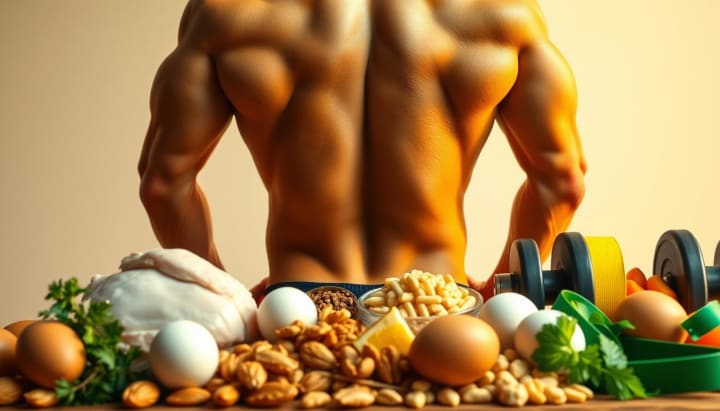
Mastering protein intake is key when you want to change your body shape. Knowing how to increase your protein intake can greatly help you reach your fitness goals.
Protein is vital for keeping and growing muscle while losing fat. Your body needs enough protein to keep lean muscle and still lose weight.
Optimal Protein Timing Throughout the Day
Timing your nutrients for fat loss is important, not just how much you eat. Here are some key times to eat protein:
Pre-workout: 20-25 grams of protein
Post-workout: 25-30 grams within 30 minutes
Breakfast: 30-40 grams to kickstart metabolism
Evening: 20-25 grams to support muscle recovery
Best Protein Sources for Body Recomposition
Not all proteins are the same. Pick high-quality ones that help build muscle and lose fat:
Lean Meats: Chicken, turkey, lean beef
Fish: Salmon, tuna, cod
Greek yogurt
Eggs
Whey protein isolate
Calculating Your Personal Protein Needs
Your protein needs depend on several factors. Aim for 1.6-2.2 grams of protein per kilogram of body weight for body recomposition.
Pro tip: Spread your protein intake evenly across meals to maximize muscle protein synthesis and support your fat loss goals.
Can You Actually Burn Fat and Gain Muscle at the Same Time?

The question of burning fat and gaining muscle at once is a tough fitness challenge. It’s possible, but it might slow down progress for both goals. Your results depend on several important factors.
Body recomposition, or burning fat and gaining muscle together, needs a smart plan. Not everyone will see the same results because of different body types.
Beginners have the highest potential for simultaneous fat loss and muscle gain
Advanced athletes might need more specialized strategies
Genetics plays a significant role in body transformation capabilities
Your success depends on three key things:
Precise nutritional planning
Targeted resistance training
Consistent recovery protocols
“Transformation is not about perfection, but progression” – Fitness Expert
It’s important to have realistic goals. While you can aim for both fat loss and muscle gain, it might take longer. The goal is to find a balance between good nutrition, smart workouts, and enough rest.
Strategic Workout Planning for Dual Goals

To lose fat and gain muscle at the same time, you need a smart workout plan. The best plans use a mix of exercises to help your body change in big ways.
Your plan should focus on big exercises that work many muscles at once. These exercises help burn more calories, which is good for losing fat.
Compound Exercises for Maximum Results
Compound exercises are key to changing your body. Here are the top ones:
Squats: Work many muscles at once
Deadlifts: A full-body exercise that activates muscles deeply
Bench Press: Builds chest, shoulders, and triceps
Pull-ups: Great for the upper body
Rest and Recovery Protocols
Rest is vital for growing muscle and losing fat. Good rest helps your body fix and grow muscle. It keeps you from getting too tired and helps you perform better.
“Rest is not a luxury, it’s a necessity for body transformation.” – Fitness Expert
Training Frequency Guidelines
How often you should train depends on your fitness level, age, and how well you recover. Most people do well with 4-5 strength training sessions a week. This gives your body enough time to rest between workouts.
Being consistent and always trying to lift more is important for changing your body. Adjust your workout plan as you get stronger. Keep pushing yourself while making sure you rest enough.
The Role of Recovery in Body Transformation

Recovery is crucial for reaching your body transformation goals. When you’re working on body recomposition, knowing how important rest and recovery is can really help. It makes a big difference in your fitness journey.
Your muscles grow and repair when you’re resting, not when you’re working out. So, recovery isn’t just sitting back and waiting. It’s an active way to change your body’s shape.
Sleep is key to hormone regulation and muscle repair
Managing stress helps with muscle growth and fat loss
Active recovery keeps your metabolism up and prevents burnout
Good sleep is a strong ally in body transformation. Deep sleep releases growth hormone, which is vital for muscle growth and fat burning. Try to get 7-9 hours of sleep each night to boost your recovery.
Stress can ruin your body recomposition training. High cortisol levels can damage muscle and increase fat. Use stress-reducing activities like meditation, yoga, or deep breathing to help with your fitness goals.
“Recovery is not a sign of weakness, but a strategic approach to achieving peak physical performance.”
Using active recovery methods like light walking, stretching, or swimming helps keep your muscles flexible. It also improves blood flow without stressing your body too much.
Listen to your body’s signals
Prioritize rest between intense workouts
Nutrition plays a critical role in recovery
Remember, lasting body transformation is all about balance. Recovery is essential to avoid overtraining and keep making progress toward your fitness goals.
Nutrition Strategies Beyond Protein Intake

Nutrition Strategies for Body Recomposition
To get the best results, you need more than just protein for muscle growth. Your diet should have the right mix of nutrients. This helps with metabolism and losing fat.
Timing your nutrients is key to fat loss. It’s not just about counting calories or protein.
Carbohydrate Timing for Performance
Carbs are vital for energy and workout performance. Here are some tips:
Eat complex carbs 1-2 hours before hard workouts
Take in carbs after workouts to refill muscle glycogen
Go for low-glycemic carbs when trying to lose fat
Essential Fats for Hormone Production
Healthy fats are crucial for hormone balance and metabolism. Your body needs certain fats for hormonal health.
Fat Type Benefits Recommended Sources
Omega-3 Fatty Acids Reduce inflammation, support hormone production Salmon, Chia seeds, Walnuts
Monounsaturated Fats Improve insulin sensitivity Avocados, Olive oil, Almonds
Micronutrient Considerations
Don’t overlook micronutrients, even though macronutrients get more attention. Vitamins and minerals are vital for metabolism, immune health, and performance.
Vitamin D for hormone regulation
Magnesium for muscle recovery
Zinc for testosterone production
With these nutrition strategies, you’ll be on the right path. You’ll burn fat and build muscle at the same time.
Common Mistakes to Avoid During Body Recomposition
To lose fat and gain muscle, you need a good plan and to avoid common mistakes. Many people struggle with body recomposition because of these errors. They can stop your progress.
Here are three big mistakes to avoid when trying to lose fat and gain muscle:
Extreme Calorie Restriction: Cutting calories too much can hurt your muscle-building efforts. Your body needs enough nutrients for muscle growth and to keep your metabolism running.
Cardio Overload: Too much cardio can break down your muscles and slow your metabolism.
Inconsistent Training: Irregular workouts and nutrition plans stop your body from making steady progress.
“Success in body recomposition is about smart, consistent approaches, not extreme measures.”
When trying to lose fat and gain muscle, focus on balanced nutrition and targeted strength training. Your workouts should include resistance exercises that work on many muscle groups.
Don’t forget about protein intake. It’s key to keeping your muscles during fat loss. Eat high-quality protein sources that help with muscle growth and keep you in a slight caloric deficit.
By knowing and avoiding these common mistakes, you can make a better plan for changing your body composition. Remember, patience and consistency are essential for lasting results.
Tracking Progress: Metrics Beyond the Scale
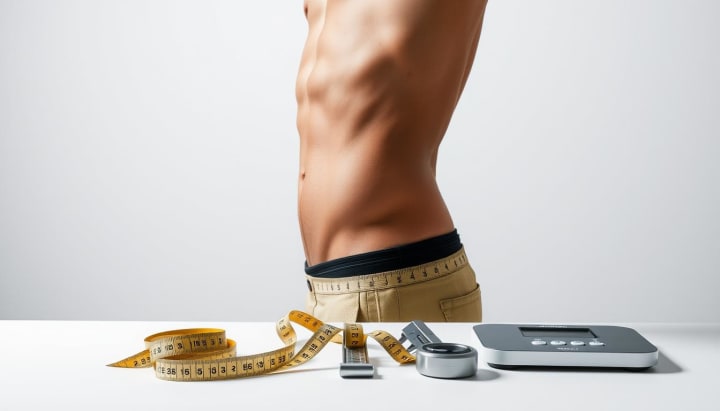
Body Recomposition Progress Tracking
Measuring your body recomposition journey is more than just stepping on a scale. Weight can give some clues, but it doesn’t show the whole picture. Your body changes in ways that numbers can’t always capture.
When you’re on a body recomposition journey, tracking several progress indicators is key:
Body measurements
Progress photos
Strength performance
Energy levels
Clothing fit
Tracking these metrics gives a full view of your transformation. Here’s how to track effectively:
Tracking Method Frequency What to Measure
Body Measurements Every 2-4 weeks Waist, hips, chest, arms, thighs
Progress Photos Monthly Front, side, and back angles
Strength Metrics Weekly Weights lifted, reps, workout performance
Pro tip: Consistency is key. Choose a specific time and conditions for measuring to get the most accurate comparisons.
“Progress is not always linear, but it is always measurable.” – Fitness Expert
Remember, body recomposition is complex. Your weight might not change much, but your body composition can improve a lot. Focus on how you feel, how your clothes fit, and your gym performance.
Realistic Timelines and Expectations
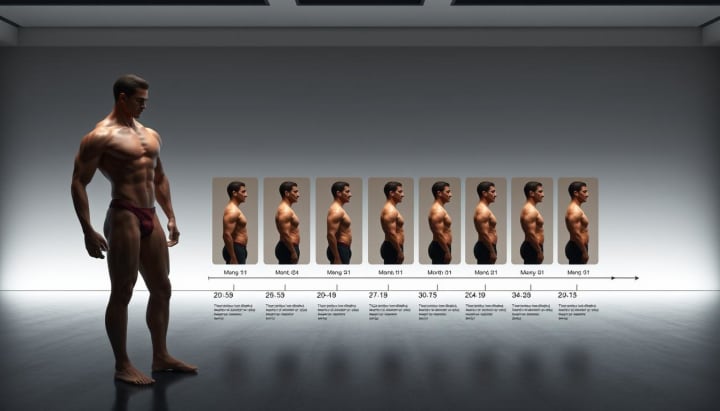
Body Recomposition Timeline
Exploring if you can burn fat and gain muscle at once is key. It’s a complex process that needs patience and planning.
Trying to do both at once might slow down progress. Knowing this helps you plan your fitness better.
Short-Term Results: What to Expect
In the first 8-12 weeks, you might see:
Small changes in body composition
First improvements in strength
A slight boost in metabolism
Better energy levels
Long-Term Progress Milestones
Body recomposition unfolds in stages:
Months 1-3: Initial adaptation
Months 4-6: Visible physical changes
Months 7-12: Big transformation potential
Adjusting Your Approach
Everyone's body reacts differently. Track your progress with:
Body measurements
Progress photos
Tracking strength
Assessing energy and recovery
Consistency is more important than perfection. Small, steady changes lead to lasting body changes.
Conclusion
It’s tough to burn fat and build muscle at the same time, but it’s doable. You need a smart plan that mixes science with hard work. The secret is to find the right balance in what you eat, how hard you work out, and how you rest.
Yes, you can burn fat and build muscle together. But it takes a lot of dedication. You must know how your body reacts, eat right, and keep exercising regularly. Everyone’s journey is different, so it’s important to tailor your plan to fit you.
Don’t expect things to get easier right away. Your body will change, and you’ll need to adjust your diet and workouts. By following the tips in this article, like eating enough protein and planning your workouts wisely, you can handle the ups and downs of losing fat and gaining muscle.
Your journey to a new body is all about learning how your body works. Be patient, stay informed, and believe in the process. With the right information and hard work, you can change your body and reach your fitness goals.
About the Creator
Keep reading
More stories from Charles Betts and writers in Education and other communities.
Dr. Sam Adeyemi on Belonging, Discipline, and Restoration: Theology of Community in Christianity
Dr. Sam Adeyemi is an Atlanta-based CEO, executive coach, and author who leads Sam Adeyemi, GLC, Inc. He founded and serves as executive director of Daystar Leadership Academy, whose programs have graduated 45,000+ alumni. With a large social-media following, he delivers leadership and organizational-growth guidance to executives worldwide. Adeyemi earned a Doctorate in Strategic Leadership from Regent University and belongs to the International Leadership Association. His books include Dear Leader: Your Flagship Guide to Successful Leadership and SHIFTS. He also cofounded Daystar Christian Centre in Lagos, Nigeria, where he is Senior Pastor. He lives in Atlanta with his wife, Nike.
By Scott Douglas Jacobsen4 days ago in Education
UK Intakes: Best Intake for Indian Students UG, PG, Scholarships
Studying in the UK is one of the top choices for Indian students because of its high-quality education, globally recognised degrees, and excellent career opportunities. Every year, thousands of students apply to UK universities, but one common question remains the same:
By Olivia Barn3 days ago in Education



Comments
There are no comments for this story
Be the first to respond and start the conversation.