
Legs vs Lungs: A Deep Dive into Exercise Performance
Understanding the Battle Between Muscular and Respiratory Endurance

Ever wonder why your workout suddenly stops? Is it your tired legs or your struggling lungs that make you stop? Knowing how muscle fatigue and breathing endurance work together could change how you train.
Exercise science shows a complex fight in your body during hard workouts. Many athletes can’t tell what makes them stop. Some feel their legs can’t go on, while others can’t catch their breath.
This journey will explore the body’s performance limits. By figuring out if your legs or lungs give out first, you can improve your sports skills.
Key Takeaways
Muscle fatigue and respiratory endurance play crucial roles in exercise performance
Individual athletes experience different fatigue patterns
Understanding your body’s limitations can help optimize training
Exercise physiology provides insights into performance barriers
Targeted training can improve both muscular and cardiovascular endurance
Understanding the Battle Between Muscular and Respiratory Endurance
When you do intense workouts, two key systems play a big role: muscular and respiratory endurance. Knowing how they work together can really boost your heart health and sports skills.
Your body’s energy making is a complex process that affects how well you exercise. Different muscles and breathing systems react in their own ways to hard work. This creates a cool mix of biological actions.
The Science Behind Exercise Limitations
There are many reasons why you can’t keep going forever during exercise. It’s about how well your body uses oxygen, makes energy, and handles tiredness.
Oxygen consumption rate
Muscle glycogen storage
Mitochondrial efficiency
Cardiovascular adaptation
Key Differences Between Muscular and Respiratory Fatigue
Muscular and respiratory systems both affect how well you perform, but they get tired in different ways. Muscles get tired from direct exhaustion, while breathing gets tired from not getting enough oxygen.
Muscular Fatigue Respiratory Fatigue
Localized muscle weakness Reduced breathing efficiency
Lactic acid buildup Decreased oxygen exchange
Specific muscle group breakdown Entire respiratory system limitation
How Your Body Processes Energy During Exercise
Energy making happens through three main ways: phosphagen, glycolytic, and oxidative systems. Each way helps keep you going during exercise, affecting how well you do and how long you can keep going.
Knowing these detailed biological steps can help you plan better workouts.
Recognizing Signs of Cardiovascular Fatigue
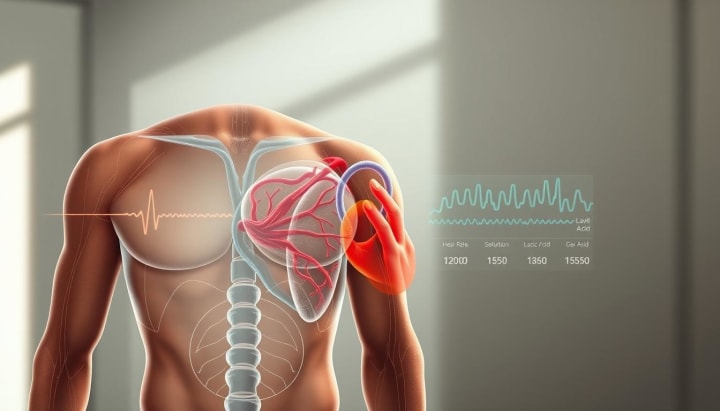
Your body gives clear signs when it’s tired from working too hard. Knowing these signs helps you train better and avoid pushing too hard.
It’s not just feeling tired that matters. Certain signs show when your heart and lungs are at their limit. Here are the main indicators to look out for:
Elevated heart rate that doesn’t recover quickly after intense activity
Heavy breathing that becomes labored and difficult to control
Decreased performance despite consistent effort
Unusual chest discomfort or pressure during exercise
When your heart and lungs get too tired, your body can’t get enough oxygen. This shows in symptoms that are more than just feeling tired after working out.
Watch for these important signs of cardiovascular fatigue:
Prolonged recovery time between intervals
Persistent shortness of breath
Dizziness or lightheadedness during exercise
Sudden drop in exercise performance
Both pros and fitness fans know spotting these signs early is key. It helps avoid health problems and boosts training results.
Your body speaks – learning its language is the key to peak performance.
Identifying Muscle Fatigue Symptoms During Exercise
It’s key for athletes and fitness fans to know about muscle fatigue. Your body gives clear signs when your legs feel heavy or stiff. These signs mean you’re reaching your physical limits. Spotting these signs can help you train better and avoid injuries.
Muscle exhaustion shows through several clear signs. These signs warn you of overdoing it:
Persistent muscle soreness
Decreased muscle strength
Reduced range of motion
Trembling or shaking muscles
Uncomfortable heaviness in leg muscles
Common Indicators of Muscle Exhaustion
When muscles get tired, you’ll see certain signs. Muscle stiffness means your body needs a break. Your legs might feel like they’re carrying extra weight, making every step harder.
Understanding Lactic Acid Build-up
Lactic acid buildup is a big reason for muscle fatigue. When you exercise hard, your muscles make lactic acid faster than your body can clear it. This causes a burning feeling and leads to muscle exhaustion.
Recovery Time Variations
How long it takes to recover varies. It depends on how hard you exercise, your fitness level, and the muscles you use. Generally, smaller muscles recover more quickly than bigger ones, like your legs. Eating right, staying hydrated, and resting well are key to quick muscle recovery.
“Listen to your body. Muscle fatigue is a signal, not a setback.” – Sports Medicine Expert
The Role of Exercise Physiology in Performance
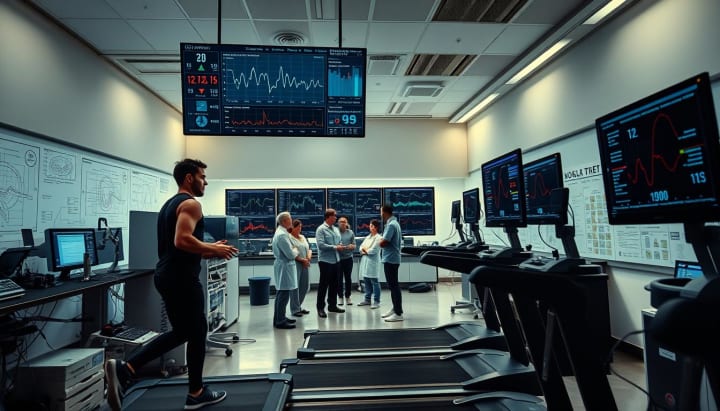
Learning about exercise physiology can unlock your body’s full potential. Your performance is shaped by how your muscles and heart work together. This affects your endurance and how well you do in sports.
Exercise physiology looks at how your body reacts to physical stress. By studying certain signs, athletes can find ways to get better and feel less tired.
Measure your body’s exertion perception during intense workouts
Track metabolic responses to different exercise intensities
Identify individual physiological strengths and limitations
Important parts of exercise physiology include looking at energy use, muscle fiber use, and heart efficiency. Your endurance threshold is the highest intensity you can keep up without getting too tired.
Physiological Factor Performance Impact Training Adaptation
Oxygen Utilization Determines aerobic capacity Improves with consistent cardio training
Muscle Fiber Type Influences power and endurance Can be modified through specific training
Metabolic Efficiency Regulates energy production Enhanced through targeted workouts
By grasping these complex body mechanisms, you can create better training plans. These plans will match your metabolic needs and goals.
How Training History Affects Your Fatigue Pattern
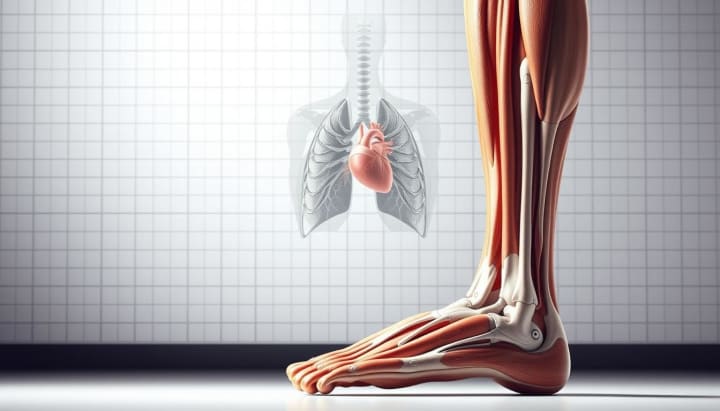
Your past athletic experiences are key to understanding how your body reacts to challenges. It’s not just about your current workouts. It’s also about the long-term effects of your fitness journey.
Every athlete’s body has its own story of getting stronger and more resilient. Your heart and muscles get shaped by years of exercise. This creates unique patterns of fatigue that can greatly affect how well you perform.
Impact of Previous Athletic Experiences
Different training backgrounds lead to different body responses. For example:
Endurance athletes usually have better breathing skills
Those who focus on strength have stronger muscles
Cross-training athletes have more balanced fatigue levels
“Your fitness history is a roadmap to understanding your body’s current capabilities.” – Sports Performance Research Institute
Building Base Fitness Levels
Building a strong fitness base needs a smart plan. Your current fitness level affects how fast you get tired and recover during hard workouts.
Here are some ways to build your base fitness:
Regular low-intensity workouts
Slowly increase workout intensity
Balance cardio and strength training
Knowing your unique fatigue pattern can change how you train. It helps you go beyond your limits.
Is It Your Legs or Your Lungs That Quit First? The Answer Could Change The Way You Train.

Understanding your body’s unique fatigue patterns can change how you train. When you exercise, your muscles and lungs compete to see who quits first. Some athletes struggle with their legs, while others have trouble breathing.
Your body’s response to fatigue depends on several things:
Current fitness level
Type of exercise performed
Individual physiological characteristics
Training history
Is it your legs or your lungs that quit first? This question is key to understanding your athletic potential. Trainers know that knowing your fatigue point helps create better workout plans for you.
Different athletes get tired in different ways. A marathon runner might struggle to breathe first, while a weightlifter might get tired muscles faster. By knowing these differences, you can tailor your training to improve your weak spots.
Knowing your body’s fatigue threshold is the first step toward breakthrough performance.
Professional athletes and coaches use advanced methods to find out why you might not perform well. Your training should aim to improve both your muscles and heart through smart, step-by-step exercises.
Strategies to Improve Cardiovascular Endurance

To boost your cardiovascular endurance, you need a smart plan. It’s not just about running faster. Learning to avoid cardio fatigue is key to lasting fitness and avoiding burnout.
Slow, steady runs are vital for effective training. They help build a strong aerobic base. This method also lowers injury and mental fatigue risks.
Effective Heart Rate Training Zones
Knowing your heart rate zones can change your training. Here’s a quick guide:
Recovery Zone (50-60% max heart rate): Great for active recovery and endurance building
Aerobic Zone (60-70% max heart rate): Best for boosting cardiovascular fitness
Threshold Zone (70-80% max heart rate): Enhances metabolic efficiency
Progressive Aerobic Development
Building aerobic capacity needs a careful plan. Begin with easier workouts and slowly add more challenge and time.
Training Phase Duration Intensity
Base Building 4-6 weeks Low to moderate
Endurance Development 6-8 weeks Moderate
Performance Enhancement 4-6 weeks High-intensity intervals
With these strategies, you’ll build a stronger heart and run more efficiently.
Building Muscular Endurance for Better Performance

Building muscular endurance is key for athletes and fitness lovers. It helps you do better in your workouts. Learning to fight off muscle fatigue can change your gym time for the better.
Spending more time in the gym can boost your endurance. There are smart ways to do this. Here are some:
Resistance training with higher repetitions
Circuit training to challenge multiple muscle groups
Progressive overload techniques
Targeted strength and endurance exercises
Muscular endurance isn’t just about lifting heavy weights—it’s about training your muscles to perform consistently under sustained stress. Using the right techniques can build your stamina. This helps you stay strong during tough workouts.
Here are some ways to boost your endurance:
Incorporate lightweight, high-repetition sets
Use bodyweight exercises for continuous movement
Practice interval training with minimal rest periods
Focus on compound movements that engage multiple muscle groups
With regular effort in endurance training, you’ll see big gains. Your athletic performance and ability to keep going will improve a lot.
The Mental Component: Understanding Perceived Exertion

When you feel tired, it might not always be because of physical exhaustion. Sometimes, your mind can trick you into feeling fatigued during workouts. Athletes often find it hard to tell if they’re really tired or just mentally resistant.
The issue could be in your mind. Psychological barriers can greatly affect how well you perform. They can make you feel tired even when you’re not. Knowing this can change how you tackle tough workouts.
Psychology of Fatigue
Fatigue and boredom are closely tied, making it hard to understand your mental state during sports. Your brain might tell you you’re exhausted before your body really is.
Mental fatigue can reduce physical endurance
Psychological perception impacts workout intensity
Cognitive strategies can help overcome mental barriers
Mental Strategies for Pushing Through
To build mental strength, you need certain strategies:
Practice positive self-talk during tough times
Use visualization to get past mental hurdles
Break big goals into smaller, easier parts
“Your mind is a powerful muscle. Train it as rigorously as you train your body.” – Elite Sports Psychologist
Understanding the mental side of fatigue lets you go beyond what you think you can do. It helps you reach your best performance.
Customizing Your Training Based on Your Limiting Factor
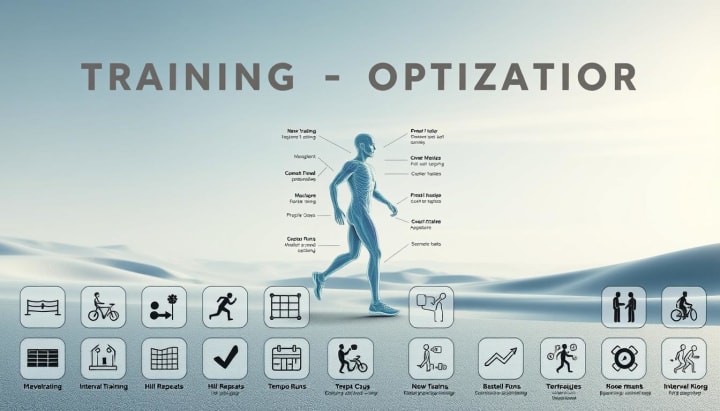
Finding out what your body can’t do well is key to better training. Everyone has different limits, so it’s important to tailor workouts to fit you. This helps you reach your best performance.
How you feel during exercise tells you a lot. It shows if your muscles or heart are getting tired first. Knowing this lets you focus on the area you need to work on the most.
Assess your current fitness baseline through comprehensive testing
Monitor heart rate and muscle fatigue during workouts
Track recovery times and perceived exhaustion levels
Adjust training intensity based on specific performance indicators
Think about special training plans for your main weakness. For those with breathing issues, interval training can help. If you’re struggling with muscle endurance, try resistance training and adding more weight.
Limiting Factor Training Focus Key Strategies
Cardiovascular Endurance Aerobic Capacity High-intensity intervals, long-duration cardio
Muscular Endurance Strength Development Progressive resistance, targeted muscle group training
Keep checking in and adjust as needed for lasting results. Listen to your body and change your training if you need to.
Balancing Cardio and Strength Training for Optimal Results
Getting fit means mixing cardio and strength workouts. It’s not about picking one over the other. It’s about blending them for the best results.
Top athletes know how to keep things interesting. They mix up their training to avoid getting stuck. This keeps their bodies and minds engaged.
Creating an Integrated Training Plan
A good plan balances different fitness areas. Think about these important points:
Switch between cardio and strength days
Try different training methods
Watch how your body recovers and adapts
Periodization Strategies
Periodization divides your year into focused phases. Each phase targets a specific fitness area. This method helps you avoid burnout and keeps you improving steadily.
Training Phase Focus Duration
Base Building Foundational Fitness 8-12 weeks
Strength Development Muscle Conditioning 6-8 weeks
Performance Peak Maximum Athletic Potential 4-6 weeks
By cycling through these phases, you’ll see big fitness gains. You’ll stay motivated and avoid getting bored with your routine.
Conclusion
Figuring out if it’s your legs or lungs that quit first can change how you train. Athletic performance is complex, with your muscles and your heart playing big roles. Knowing your body’s limits helps you focus on what needs work.
Is it your legs or lungs that quit first? Knowing this can really change your training. Every athlete’s body reacts differently to exercise. Tailoring your workouts to your body’s needs can boost your performance.
Balance is key. Training that works on muscles, heart, and mind can help you reach new heights. Understanding your body and using smart training methods is crucial for success.
Look at your training as a whole. Understand your limits, use specific training, and keep improving. Knowing how your body handles hard exercise is the first step to peak performance.
About the Creator
Keep reading
More stories from Charles Betts and writers in Education and other communities.
Best Tools and Tips for Project Managers to Manage Projects Effectively
Project management plays a critical role in ensuring that business goals are achieved on time and within budget. In today’s fast-paced and competitive environment, project managers must balance multiple responsibilities, manage diverse teams, and adapt to constant changes. Using the right tools along with proven management techniques can significantly improve project efficiency and success.
By Muhammad Hussain5 days ago in Education
Rabbi Shlomo Slatkin, M.S., LCPC on Imago Dialogue, Repair, and Relationship Safety
Rabbi Shlomo Slatkin, M.S., LCPC, is founder and therapist at The Marriage Restoration Project in the Baltimore area. An ordained rabbi and Certified Imago Relationship Therapist and workshop presenter, he guides couples through intensives, retreats, and counseling aimed at restoring safety, communication, and connection after conflict or crisis. He holds a master’s in Counseling Psychology from Loyola University Maryland and trained with the Imago Relationship Institute. Slatkin earned a B.A. in Middle Eastern Studies, with undergraduate study at George Washington University and Oxford, and authored The Five Step Action Plan to a Happy & Healthy Marriage. He also co-edited curricula.
By Scott Douglas Jacobsen4 days ago in Education



Comments
There are no comments for this story
Be the first to respond and start the conversation.