
Master Vaastu and Feng Shui With The Best Interior Design Courses in Bangalore
Harmonizing Spaces with an Interior Design Course in Bangalore

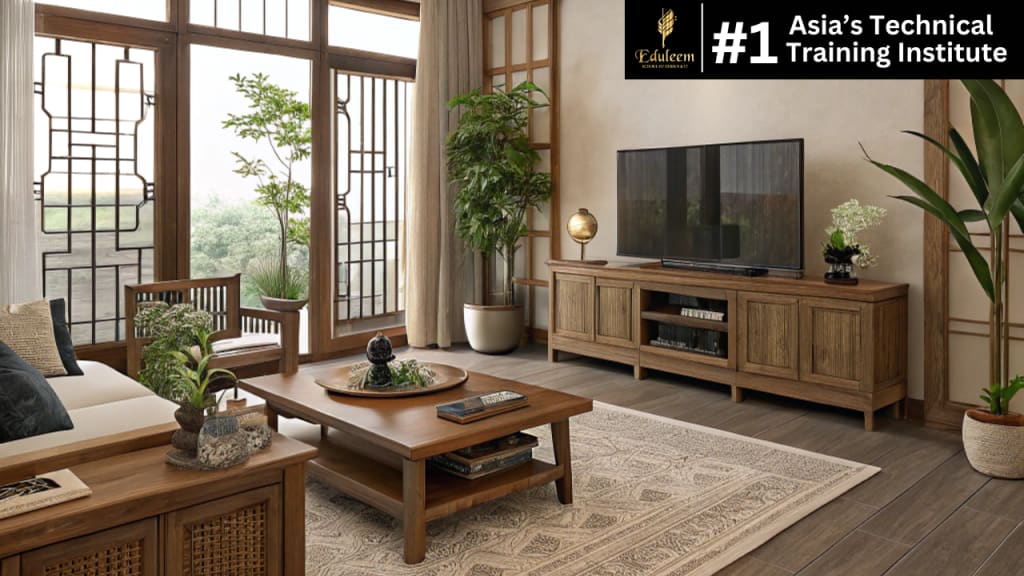
The Journey of a Young Interior Designer
Aarav had always been fascinated by the way spaces could influence emotions. Growing up in a home designed with traditional Indian architecture, he often heard his grandmother talk about the importance of Vaastu Shastra, the ancient Indian science of architecture. As he grew older, he became interested in how different cultures approached space design, leading him to discover Feng Shui, the Chinese art of creating harmony in environments.
Determined to turn his passion into a profession, Aarav enrolled in an Interior Design Course in Bangalore, eager to learn how to blend tradition with modern aesthetics. The curriculum was extensive, covering everything from color theory to spatial arrangements, but the module on Vaastu and Feng Shui captured his heart the most.
Understanding Vaastu: The Indian Science of Spaces
His instructor began by explaining the principles of Vaastu Shastra, which revolve around the five elements—earth, water, fire, air, and space. Aarav learned that the orientation of a house, the placement of rooms, and even the direction of doors and windows could impact energy flow and well-being.
For instance, in Vaastu:
- The northeast is considered auspicious for prayer rooms or meditation spaces.
- The kitchen should ideally be in the southeast, associated with fire energy.
- The bedroom should be placed in the southwest, promoting stability and relaxation.
Aarav was amazed at how small changes, like repositioning furniture or using natural elements, could create a space that felt more balanced and peaceful.
Exploring Feng Shui: The Chinese Philosophy of Harmony
As the course progressed, Aarav was introduced to Feng Shui, which, like Vaastu, focuses on energy flow (or "Chi") but with a different approach. He learned about the Bagua Map, a tool used to divide spaces into sections corresponding to different aspects of life, such as wealth, relationships, and career.
Some key Feng Shui takeaways included:
- Decluttering spaces to allow positive energy to circulate freely.
- Using the right colors based on the elements—green for growth (wood), red for passion (fire), and blue for calmness (water).
- Placing a mirror strategically to reflect light and expand energy.
One of Aarav’s favorite lessons was the importance of the main entrance. According to Feng Shui, a well-lit, welcoming entrance allows positive energy to enter a home, while obstacles like shoes or clutter block good fortune.
Applying Vaastu and Feng Shui in Real-World Design
For his final project in the 1-year interior design course in Bangalore, Aarav decided to create a modern apartment layout that seamlessly blended both Vaastu and Feng Shui principles. He worked on:
- Positioning the kitchen and bedroom correctly to align with Vaastu.
- Using Feng Shui color psychology to enhance mood and productivity.
- Adding natural elements like plants and water fountains to promote good energy.
His design received praise from both professors and peers at the best interior design institute in Bangalore. More importantly, Aarav realized that interior design wasn’t just about aesthetics—it was about creating spaces that nurtured well-being and positive energy.
The Beginning of a Successful Career
After completing the 6 Months Interior Design Course in Bangalore, Aarav was confident in his skills. His deep understanding of Vaastu and Feng Shui gave him an edge in the industry, attracting clients who wanted homes that weren’t just stylish but also spiritually uplifting.
If you, like Aarav, want to master the art of designing spaces that are both beautiful and balanced, Eduleem School of Design—Interior and Fashion offers expert-led Interior Design Courses in Bangalore to help you achieve your dreams.
About the Creator
Designz_Amaze
Aspiring software engineer with internship experience in development and problem-solving. Passionate about learning new technologies and creating innovative solutions through collaboration and coding.
Keep reading
More stories from Designz_Amaze and writers in Education and other communities.
Fashion Design Course in Bangalore: Explore World Fashion Trends
In a lively corner of Bangalore, a young aspiring designer named Meera dreamed of making a mark in the fashion world. From a young age, she’d been mesmerized by international runway shows — the dramatic silhouettes of Paris, the bold street styles of Tokyo, and the timeless elegance of Milan. But Meera didn’t know where to start. She wanted to understand the intricacies of world fashion and how to blend global influences into her designs.
By Designz_Amaze11 months ago in Education
Golf Handicap Reduction Without a Swing Overhaul: Smarter Ways to Play Better Golf
Lowering your handicap does not always require technical changes or hours on the range; it requires rebuilding your swing. Many golfers overlook the fact that scoring improvement often comes from strategic thinking, mental discipline, and better preparation. By focusing on how you play rather than how you swing, you can unlock consistent progress and enjoy the game more. This article explores practical, on-course methods that help you shoot lower scores while keeping your swing exactly as it is.
By Ian Schenkel Haliburton5 days ago in Education
The Editorial Stack: Building Content Teams for the Multi-Platform Era
In an age where content travels across screens, feeds, formats, and audiences in real time, the old newsroom model no longer fits the demands of digital publishing. Today's media landscape requires more than great writers and sharp editors—it demands a multi-disciplinary, agile, and strategically aligned editorial stack. From video producers to data analysts, newsletter editors to TikTok creators, modern content teams must be designed with versatility and collaboration at their core.
By James Kaminsky5 days ago in Education
Thoughts on Vocal and the way the world is
"Death cannot stop true love, only delay it." – Wesley in The Princess Bride. I decided to come back to Vocal on a very cold and dark night at the end of December. I had been, and still am, convalescing from a horrible staph infection that had gone misdiagnosed for months. This, paired with the increasing challenges of being healthy, making the best choices for my co-parented child, being a wife, and being a director at a new job, was a lot to manage.
By Jazzy 6 days ago in Confessions



Comments
There are no comments for this story
Be the first to respond and start the conversation.