
Mars and the man who wanted to buy an island in St Kilda
One Man’s Quest to Escape—Across Planets and Oceans
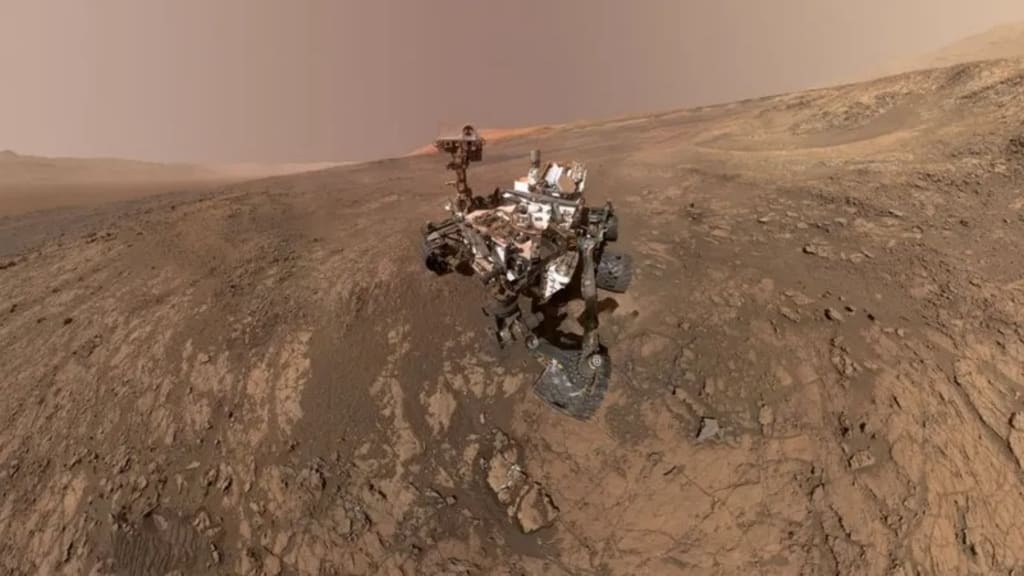
One of the Mars exploration "targets" currently being investigated by NASA’s Curiosity rover has been given a name with a deeply personal story behind it. The site, located in a region known as the Torridon quadrangle, has been named St Kilda, echoing the name of a remote Scottish archipelago. The reason? A touching family connection from one of the scientists involved in the mission.
Curiosity, which has been roaming Mars since it landed in 2012, often investigates rock formations, pebbles, and geological features that intrigue mission scientists. These features are temporarily given nicknames based on locations here on Earth—specifically, for this region, places in Scotland. Other named features in the Torridon quadrangle include Newmachar, a village in Aberdeenshire, Benbecula, and Jura—locations known for their geological significance and, in some cases, for the presence of crystals similar to those found on Mars.
Recently, Curiosity examined a new area that was informally named St Kilda, after the remote and now-uninhabited islands off the west coast of Scotland. The suggestion to name this Martian target after the Scottish archipelago came from Professor Linda Kah, a scientist from the University of Tennessee who is part of the Curiosity science team.
For Prof Kah, St Kilda is not just a name on a map. It holds a special place in her family history.
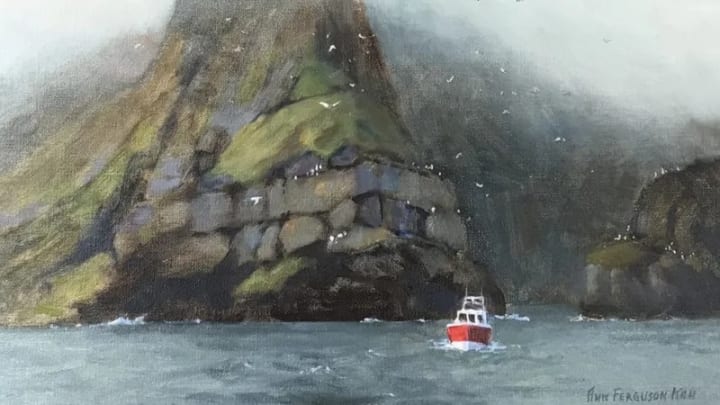
St Kilda, which lies roughly 40 miles west of North Uist, was once home to a small but hardy population. However, due to isolation and increasingly difficult living conditions, the last islanders left the main island, Hirta, in 1930. The community had endured for centuries, living off seabirds, farming, and fishing, but modern life and the lack of sustainability led to a full evacuation.
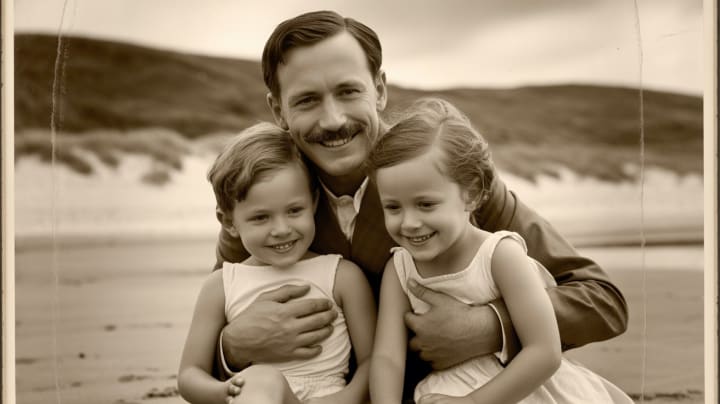
It was shortly after this moment in history that Prof Kah’s great-grandfather, George Hastie, seriously considered making the abandoned island his family’s new home.
"George Hastie, a greengrocer from Greenock, was left with five teenagers—Andrew, Jessie, Mary Ann (known as Mollie), Ann, and George—after his wife, also named Ann, passed away in 1931," Prof Kah recounts. "He proposed the bold idea of buying one of the St Kilda islands, convinced they could live off the land and survive in isolation."
However, his children were not nearly as enthusiastic. “The kids thought he was out of his mind and refused to go,” Prof Kah says with a smile. “The move to a big cold rock in the sea never happened, and the land was left to the birds.”
George stayed in Greenock, where he lived out the rest of his life on Brisbane Street. On a family trip in 1995, Prof Kah’s mother, also named Ann, was able to identify the exact home where George had lived. One unique feature stood out: “George was the only one in the street who sawed off the iron railings in front of his house to donate them to the wartime scrap metal drive during World War II. The little stubs left behind were still visible.”
Prof Kah recalls how the story of the “almost move” to St Kilda was passed down as family lore. “I vaguely remember my Grandma Mollie Bisset—George’s daughter—telling me the story in the late 1980s,” she says. “At the time, I was finishing high school, and we were looking through old photographs after my grandfather, Ian Bisset, had passed away.”
That moment—poring over family memories, connecting with places that once seemed distant—was formative for Prof Kah. She later learned that it was her Grandpa Ian, originally from Bathgate, who was the first member of the family to immigrate to the United States.
Now, years later, the story of St Kilda has found its way into the Martian landscape. A family story passed through generations is etched—symbolically—into the red dust of another world.
About the Creator
Kamran Khan
Proffessor Dr Kamran Khan Phd General science.
M . A English, M . A International Relation ( IR ). I am serving in an international media channel as a writer, Reporter, Article Writing, Story Writing on global news, scientific discoveries.
Keep reading
More stories from Kamran Khan and writers in Education and other communities.
Uniting Hearts: The Global Call to Share the Gospel
Evangelism has always been a central mission for Christians, serving as a bridge between faith and the people who have yet to experience it. The act of sharing the Gospel is not limited by geography or culture; it is a calling that transcends borders, language, and societal differences. At its core, evangelism is about offering hope, love, and guidance to those seeking meaning in their lives. The global landscape presents a unique opportunity to spread this message, but it also requires understanding, patience, and cultural sensitivity.
By World Olivet Assemblyabout 16 hours ago in Education
How the Sun Influences Climate: The Hidden Force Shaping Earth’s Weather and Environment
Every morning, sunlight spreads across the horizon, warming the land, oceans, and atmosphere. It feels simple and familiar, yet this daily event is driven by one of the most powerful forces shaping our planet: the Sun.
By shahkar jalal2 days ago in Education


Comments
There are no comments for this story
Be the first to respond and start the conversation.