
Lung Cancer: Understanding the Illness and Pathways to Health
Sickness

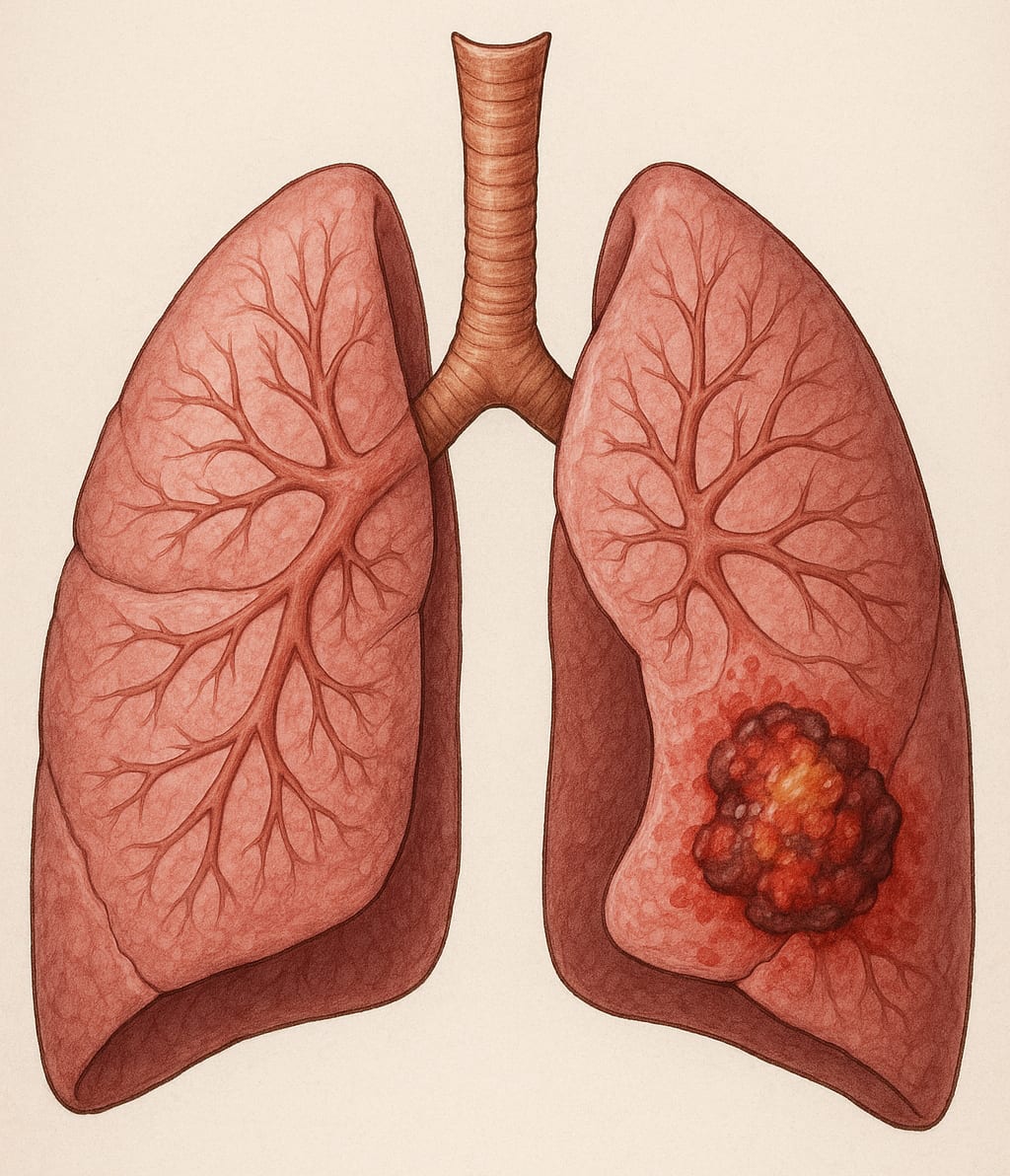
Lung cancer is one of the most serious and common forms of cancer worldwide. It affects millions each year, cutting lives short and placing immense pressure on healthcare systems. Despite its grim reputation, advances in early detection, treatment, and public awareness have improved outcomes for many. Understanding lung cancer—what causes it, how it develops, and how it can be managed or prevented—is essential for reducing its impact.
### What Is Lung Cancer?
Lung cancer begins when abnormal cells in the lungs grow out of control. These cells can form tumors, interfere with normal lung function, and spread to other parts of the body. There are two main types of lung cancer:
1. **Non-small cell lung cancer (NSCLC)** – This is the most common type, accounting for about 85% of cases. It includes subtypes like adenocarcinoma, squamous cell carcinoma, and large cell carcinoma.
2. **Small cell lung cancer (SCLC)** – A more aggressive form, often linked to heavy smoking, and known for spreading quickly.
Lung cancer is particularly dangerous because it’s often diagnosed at a late stage. Early symptoms can be vague or mistaken for less serious issues like a cough or fatigue. By the time clear warning signs appear—such as chest pain, coughing up blood, or weight loss—the disease may already be advanced.
### Causes and Risk Factors
The number one cause of lung cancer is **smoking**. Tobacco smoke contains dozens of carcinogens that damage lung tissue. Even secondhand smoke can raise the risk. However, non-smokers can also develop lung cancer, often due to environmental factors or genetic predisposition.
Key risk factors include:
* **Smoking** – The longer and more heavily a person smokes, the higher the risk.
* **Exposure to radon gas** – A naturally occurring gas that can seep into homes and buildings.
* **Air pollution** – Long-term exposure to polluted air may contribute to lung cancer.
* **Asbestos or other carcinogens** – Particularly in workplaces like construction or manufacturing.
* **Family history** – Genetics can play a role, especially in non-smokers.
### Symptoms to Watch For
Lung cancer symptoms may not appear until the disease is in its later stages, but common signs include:
* Persistent cough or changes in a chronic cough
* Shortness of breath
* Chest pain, especially when breathing deeply
* Coughing up blood
* Unexplained weight loss
* Fatigue
* Hoarseness or wheezing
Anyone experiencing these symptoms for more than a few weeks should consult a healthcare provider, especially if they have risk factors.
### Diagnosis and Staging
If lung cancer is suspected, doctors may order imaging tests like chest X-rays or CT scans. A biopsy—where a sample of lung tissue is taken and examined—is the definitive way to diagnose it. Once confirmed, doctors determine the **stage** of cancer, which helps guide treatment.
Staging describes how far the cancer has spread:
* **Stage I:** Limited to the lung.
* **Stage II-III:** Spread to nearby lymph nodes or structures.
* **Stage IV:** Metastasized to distant parts of the body.
### Treatment Options
Treatment depends on the type, stage, and health status of the patient. Main options include:
* **Surgery:** Removing part or all of a lung, usually for early-stage cancer.
* **Radiation therapy:** Using high-energy rays to kill cancer cells.
* **Chemotherapy:** Drugs that attack fast-growing cancer cells throughout the body.
* **Targeted therapy:** Focuses on specific genetic mutations in cancer cells.
* **Immunotherapy:** Helps the immune system recognize and fight cancer.
Many patients receive a combination of these treatments. In recent years, immunotherapy and targeted drugs have extended survival for patients with advanced disease, offering new hope.
### Living With Lung Cancer
A lung cancer diagnosis is life-altering. Beyond medical treatment, patients often need emotional and psychological support. Fatigue, pain, and anxiety are common. Support groups, counseling, and palliative care can help improve quality of life.
Nutrition, exercise (when possible), and avoiding further lung irritants—especially tobacco—are key parts of maintaining strength during and after treatment.
### Prevention and Public Health
The most effective way to prevent lung cancer is **not smoking**. Quitting at any age significantly reduces risk. Public health campaigns, smoking cessation programs, and tobacco taxes have helped bring down smoking rates in many countries, but the work continues.
Testing homes for radon, wearing protective gear in high-risk workplaces, and reducing air pollution are also crucial for prevention.
For people at high risk—especially older adults with a history of heavy smoking—**annual low-dose CT scans** can catch lung cancer early, when it's most treatable. This screening approach is now widely recommended and has been shown to reduce mortality.
### Looking Ahead
Lung cancer remains a major global health challenge, but progress is real. Earlier detection, more precise treatments, and greater public awareness are helping people live longer, better lives after diagnosis. For individuals, the most powerful tools are knowledge and proactive choices: not smoking, recognizing symptoms early, and getting appropriate screenings when eligible.
For society, the goal is twofold: prevent lung cancer where possible and ensure everyone diagnosed has access to timely, effective care. Through research, education, and support, we can continue to shift the odds in favor of health.
---
About the Creator
Bobi Dutch
I'm passionate about exploring educational phenomena, focusing on innovation, equity, and the evolving dynamics of learning. I analyze trends, strategies that shape modern education and aim to drive impactful, research-based improvements.
Keep reading
More stories from Bobi Dutch and writers in Education and other communities.
Terrifying Truths of Maori Warriors
The Māori, the Indigenous Polynesian people of New Zealand, are celebrated for their vibrant culture and formidable legacy of warfare. At the heart of this legacy lies a warrior tradition defined by rigorous training, spiritual depth, and unyielding bravery. Māori warriors, or toa, were not only skilled in combat but also mentally and culturally conditioned from an early age. Their training encompassed physical endurance, psychological resilience, and sacred rituals—many of which strike modern readers as astonishing, even fearsome. Here are ten of the most striking aspects of a Māori warrior’s journey.
By Bobi Dutch8 months ago in Education
Speak and Be Heard: A Beginner’s Guide to Becoming a Podcast Host and Growing Your Audience
Becoming a podcast host is an exciting way to share your ideas, inspire others, and build a strong community. Whether you want to teach, entertain, or have great conversations, podcasting gives you a voice that can reach people around the world. But starting a podcast and growing an audience takes more than just a microphone. It requires planning, patience, and a real connection with your listeners. In this guide, you'll learn how to become a podcast host and grow your audience step by step.
By Spencer Hakimian3 days ago in Education
Beyond Deals: Building Alliances That Truly Scale
Strategic partnerships for growth help companies expand faster and smarter. They enable two or more businesses to work together to create shared value. Each partner brings skills, reach, or resources that the other lacks. When done right, strategic partnerships create long-term growth that feels natural and steady.
By Rushi Manche6 days ago in Education



Comments