
Terrifying Truths of Maori Warriors
The Education Behind Their Fearlessness

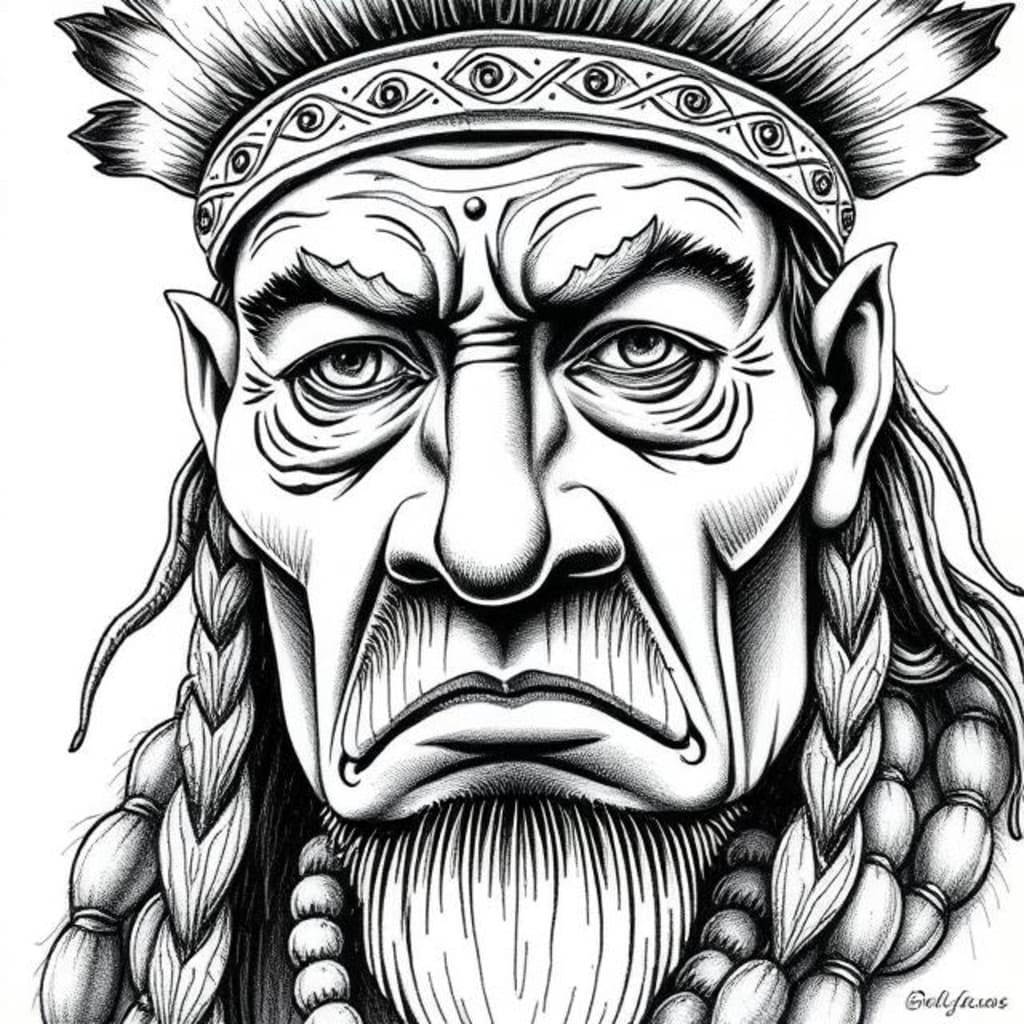
The Māori, the Indigenous Polynesian people of New Zealand, are celebrated for their vibrant culture and formidable legacy of warfare. At the heart of this legacy lies a warrior tradition defined by rigorous training, spiritual depth, and unyielding bravery. Māori warriors, or toa, were not only skilled in combat but also mentally and culturally conditioned from an early age. Their training encompassed physical endurance, psychological resilience, and sacred rituals—many of which strike modern readers as astonishing, even fearsome. Here are ten of the most striking aspects of a Māori warrior’s journey.
1. Training Began in Early Childhood
Māori boys were initiated into warrior life as young as five or six. They trained in whare tūroro (warrior schools) under the guidance of tribal elders and seasoned fighters. These schools prioritized pain tolerance, discipline, and fearlessness.
Daily routines included barefoot runs through rough terrain, combat drills, weapon practice, and exposure to hunger and cold. Crying or showing pain was discouraged—stoicism was the first lesson in courage.
2. Mastery of Weapons Was Essential
The taiaha, a wooden staff with a club-like end, symbolized a warrior’s agility and precision. Mastery of this weapon demanded speed, rhythm, and balance.
Warriors also trained with the mere—a short, blunt weapon made of jade or whalebone—and long-range tools like spears. Sparring often involved full contact, and injuries were seen as proof of commitment.
3. Psychological Training Was Core
Warrior training was as much mental as it was physical. Young Māori were taught to suppress fear, hesitation, and compassion in battle. Rituals simulating near-death experiences were common, intended to build emotional detachment and prepare warriors for the spiritual significance of combat.
Honor, ancestry, and mana (spiritual prestige) were central to a warrior’s identity. Cowardice was not merely shameful—it was a dishonor to the tribe.
4. Cannibalism as Psychological Warfare
One of the most unnerving aspects of Māori warfare was ritual cannibalism. Warriors sometimes consumed the flesh of enemies, not from hunger, but to spiritually dominate and terrify opponents.
The practice symbolized the transfer of mana from the fallen to the victor. It served both as spiritual reinforcement and a grim psychological deterrent to future enemies.
5. Tā Moko: Tattoos of Honor and Danger
Tā moko, the traditional facial tattoos of Māori warriors, were more than decorative—they narrated a warrior’s lineage, status, and battlefield accomplishments.
These tattoos made warriors visible symbols of prestige, but also prime targets. During colonial times, European collectors paid for preserved, tattooed heads, leading to a grim trade. Despite the danger, forgoing moko was inconceivable for many.
6. Strategy, Deception, and Psychological Tactics
Māori warfare wasn’t rooted solely in brute force—it was deeply strategic. Warriors were taught to use the environment, feint retreats, and execute ambushes to outmaneuver enemies.
The haka, a fierce pre-battle performance, was a form of psychological warfare. The stomping, yelling, and exaggerated facial expressions served to intimidate and destabilize foes before combat even began.
7. Death Was Embraced, Not Feared
For Māori warriors, death in battle was not to be avoided but welcomed. To fall while protecting one’s whānau (family), land, or mana was the ultimate honor.
Death was seen as a passage to immortality, where heroic deeds lived on through oral histories and rituals. Warriors trained with the belief that their legacy mattered more than survival.
8. Tapu: Sacred Laws of Warrior Discipline
Training and combat were governed by tapu—sacred restrictions that dictated behavior. Warriors preparing for battle might abstain from eating communally, touching certain objects, or engaging with others.
These rituals weren’t mere superstition; they reinforced spiritual discipline, obedience, and readiness for war. Violating tapu could bring spiritual consequences for the individual and their tribe.
9. Women Warriors: Leaders and Legends
Though less common, Māori women also trained for war. Some held command roles, especially those of chiefly lineage, and participated directly in battle and strategic planning.
Their presence on the battlefield was often demoralizing to enemies, shattering expectations and asserting their tribe’s spiritual and political might.
10. Ceremonial Brutality After Battle
Post-battle practices were steeped in ritual. Executions of captives, body desecrations, and the display of enemy heads were not acts of cruelty but culturally rooted traditions to honor the dead and assert dominance.
Chants, songs (waiata), and symbolic gestures marked the end of combat, turning victories into lasting tribal lore.
Conclusion
The path to becoming a Māori warrior was a blend of physical endurance, mental fortitude, and spiritual devotion. While their methods may seem brutal by today’s standards, they reflect a deeply rooted worldview where survival, identity, and honor were inseparable.
This legacy endures not because of its violence, but because of the unity, discipline, and cultural integrity it represents—a living testimony to the strength of the Māori people.
About the Creator
Bobi Dutch
I'm passionate about exploring educational phenomena, focusing on innovation, equity, and the evolving dynamics of learning. I analyze trends, strategies that shape modern education and aim to drive impactful, research-based improvements.
Keep reading
More stories from Bobi Dutch and writers in Education and other communities.
The Future of Education
The future of education is undergoing a transformative shift that reflects rapid technological advancement, evolving societal needs, and global connectivity. As we look ahead, it is clear that education will become more personalized, inclusive, and digitally driven. Traditional classrooms are gradually giving way to hybrid and virtual environments that emphasize skills over rote memorization, collaboration over isolation, and creativity over conformity. This essay explores the key trends shaping the future of education, highlighting the roles of technology, pedagogy, accessibility, and lifelong learning.
By Bobi Dutch10 months ago in Education
When Learning Feels Like War: A Child’s Hidden Struggle With Words
Every morning, the school bell sounded like the beginning of a battle. For most children, school was a place of friends, laughter, and learning. But for nine-year-old Arman, it felt like stepping onto a battlefield where he was already losing.
By imtiazalama day ago in Education
5 AI Side Hustles You Can Start in 2026 to Make Money Online
Artificial intelligence isn’t just a buzzword—it’s a goldmine for anyone looking to start a side hustle or make extra income online. In 2026, AI tools are more accessible than ever, allowing individuals to automate tasks, create digital products, and provide services that were previously time-consuming or expensive.
By Majus Jasulaitis5 days ago in Education
Thief In The Night
To the thief in the night that took and replicated what once was mine: Honestly, I feel kind of bad for you. It’s funny, because we hardly know each other. I only know of you through the magazines you’ve written and the broadcasts you have televised in the past — as well as through the public mentions of you from your show business connections there.
By Snarky Lisa7 days ago in Humans



Comments