
LTC Blockchain: A Complete Guide to Litecoin’s Technology and Future
When people think of cryptocurrencies, Bitcoin usually comes to mind first

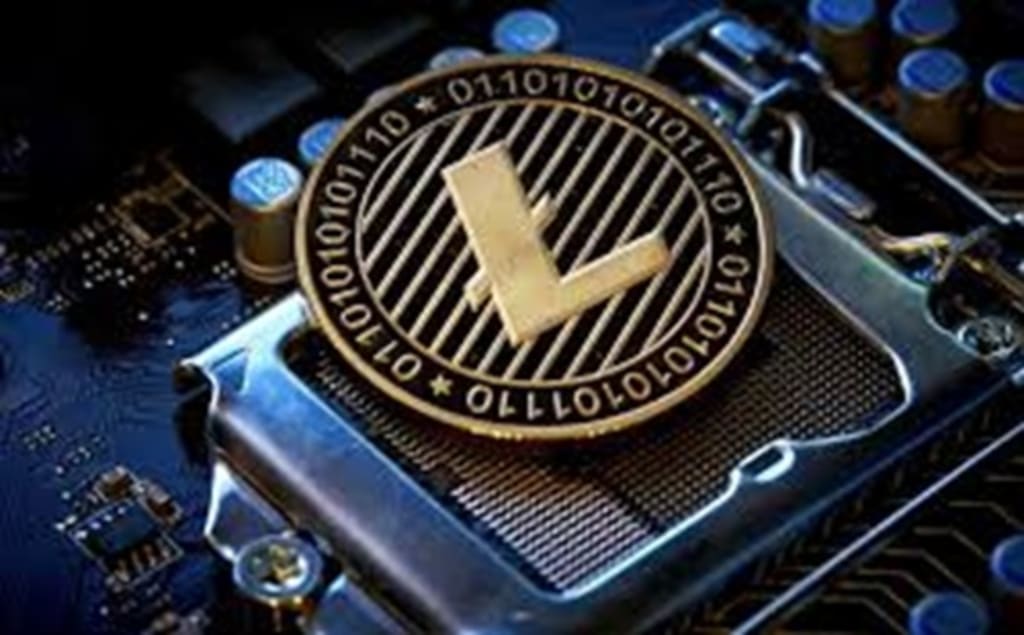
In this article, we’ll explore everything you need to know about the LTC blockchain: how it works, what makes it different from Bitcoin, the benefits it offers, and the challenges it faces. We’ll also look at real-world examples of its use, future developments, and why Litecoin still matters in a world now filled with thousands of cryptocurrencies.
The Birth of the LTC Blockchain
Litecoin was created in October 2011 by Charlie Lee, a former Google engineer who wanted to design a cryptocurrency that improved upon Bitcoin’s limitations. While Bitcoin was revolutionary, it had issues such as slower transaction times and scalability challenges. Lee envisioned Litecoin as a faster, lighter version of Bitcoin—something that could handle everyday transactions more efficiently.
The LTC blockchain was built using Bitcoin’s open-source code but with key modifications. These changes included shorter block times, a different hashing algorithm, and a larger supply of coins. From the start, the LTC blockchain was meant to complement Bitcoin rather than replace it. Think of it like this: if Bitcoin was the “gold standard” for storing value, Litecoin would be the digital currency for day-to-day use.
How the LTC Blockchain Works
At its core, the LTC blockchain operates like most blockchains: it is a decentralized ledger that records every transaction made with Litecoin. Instead of relying on banks or central authorities, the network uses miners and nodes to validate and confirm transactions.
Here’s how it works in practice:
- When a user sends Litecoin to another, the transaction is broadcast to the network.
- Miners use their computers to solve complex cryptographic puzzles. Once solved, the transaction is added to a block.
- Every block is connected in sequence, forming the LTC blockchain.
- The system rewards miners with new Litecoin for their work, ensuring that the network stays secure and active.
The beauty of the LTC blockchain is that it processes transactions more quickly than Bitcoin. While Bitcoin has a block time of 10 minutes, Litecoin’s block time is just 2.5 minutes. This means that transactions confirm faster, making Litecoin more practical for everyday purchases.
Key Features of the LTC Blockchain
What makes Litecoin’s blockchain different from others? Let’s break it down.
1. Faster Block Times
Litecoin processes a block every 2.5 minutes compared to Bitcoin’s 10. This speed makes it more appealing for users who don’t want to wait long for confirmation when buying coffee or transferring money.
2. Scrypt Algorithm
Instead of using Bitcoin’s SHA-256 algorithm, Litecoin uses Scrypt, which is more memory-intensive. This was originally designed to make mining more accessible to individuals, though professional mining rigs have since caught up.
3. Higher Supply
The LTC blockchain supports a maximum supply of 84 million coins, four times that of Bitcoin’s 21 million. While this doesn’t make Litecoin less valuable, it provides a different economic model.
4. Lower Transaction Fees
Compared to many blockchains, Litecoin generally offers lower fees, which makes it practical for microtransactions and cross-border payments.
Real-World Use of the LTC Blockchain
For many years, Litecoin has served as a testing ground for innovations later adopted by Bitcoin. For example, Litecoin was one of the first major blockchains to implement Segregated Witness (SegWit), a feature that improved scalability by separating transaction signatures from transaction data. Litecoin also served as the launchpad for the Lightning Network, which enables ultra-fast payments off-chain.
But beyond serving as a testing lab, the LTC blockchain has practical uses today. Some merchants accept Litecoin for online purchases, travel bookings, and even donations. For example, platforms like Travala allow users to book hotels and flights with Litecoin, showing its role in real-world commerce.
In addition, because of its faster speeds and lower costs, Litecoin is often used to move funds between exchanges. Traders sometimes prefer transferring funds via Litecoin rather than Bitcoin or Ethereum because it’s quicker and cheaper.
The Security of the LTC Blockchain
Like other blockchains, security is central to Litecoin’s survival. The LTC blockchain uses proof-of-work (PoW) consensus, which requires miners to validate transactions through computing power. This makes it extremely difficult for attackers to alter past transactions.
However, critics argue that proof-of-work systems consume significant energy, which has sparked debates about sustainability. While Litecoin’s energy use is lower than Bitcoin’s because of its Scrypt algorithm, it still requires power-hungry mining rigs.
Despite these concerns, the LTC blockchain has maintained a strong record of security since its launch. It has never been successfully hacked, which is impressive considering it has processed millions of transactions over more than a decade.
The Community and Development of Litecoin
One of the reasons Litecoin has lasted so long is its strong community and active development team. The Litecoin Foundation, a non-profit organization, plays a key role in guiding the project, funding research, and building awareness.
The community has also kept Litecoin relevant in conversations around innovation. For example, Litecoin’s developers are exploring MimbleWimble, a technology that can improve privacy and scalability. By adopting cutting-edge solutions, the LTC blockchain stays competitive in a rapidly changing crypto world.
Challenges Facing the LTC Blockchain
Even though Litecoin is respected, it’s not without its challenges.
First, it competes with newer blockchains that offer faster speeds, smart contract capabilities, and advanced features. For example, blockchains like Solana and Cardano are gaining traction for decentralized applications (dApps), something Litecoin doesn’t directly support.
Next, Litecoin’s branding has sometimes worked against it. Being called “the silver to Bitcoin’s gold” has made it seem secondary rather than innovative. While this analogy helped people understand it early on, it has also limited its perception in a crowded market.
Finally, regulatory scrutiny is increasing worldwide. As governments look to regulate cryptocurrencies, Litecoin—like all digital assets—will face questions about compliance, legality, and adoption.
The Future of the LTC Blockchain
Despite challenges, the LTC blockchain has a promising future. Its long history, proven security, and established user base give it credibility that many newer blockchains lack. With ongoing development and upgrades like MimbleWimble, Litecoin is positioning itself as a reliable, fast, and secure network for digital transactions.
We may not see Litecoin competing head-to-head with platforms like Ethereum in decentralized finance, but its role as a payment-focused blockchain remains valuable. For users who want a cryptocurrency that works quickly, reliably, and with low fees, Litecoin still delivers
Conclusion
The LTC blockchain has stood the test of time in an industry where many projects disappear as quickly as they appear. It was built to improve upon Bitcoin’s limitations, and over the years, it has carved out its niche as a fast, low-cost, and reliable blockchain for digital payments.
While it faces competition from newer blockchains with more advanced features, Litecoin continues to play an important role in the crypto ecosystem. Its adoption of innovative technologies, strong community support, and proven security make it a project worth watching even a decade after its creation.
For anyone exploring the world of cryptocurrencies, understanding the LTC blockchain provides insight into how blockchain technology evolves and adapts. Whether you’re a casual investor, a trader, or someone simply curious about digital currencies, Litecoin’s story offers valuable lessons about resilience, innovation, and the power of community.
About the Creator
Tech Thrilled
TechThrilled is your go-to source for deeply explained, easy-to-understand articles on cutting-edge technology. From AI tools and blockchain to cybersecurity and Web3, we break down complex topics into clear insights, complete
Keep reading
More stories from Tech Thrilled and writers in Education and other communities.
Cybersecurity Certificate: Your Gateway to a Secure Career in the Digital World
In today’s world, our lives are woven into the internet. From paying bills and buying groceries to running global businesses, almost everything happens online. But with this convenience comes a silent and growing threat—cybercrime. Hackers, malware, and phishing scams have become part of our daily reality. This is why the demand for skilled cybersecurity professionals has exploded in recent years. And one of the best ways to break into this field—or move up in it—is by earning a cybersecurity certificate.
By Tech Thrilled5 months ago in Education
The Confidence Advantage: How Transparent Communication Builds Lasting Investor Trust
Investor relationships thrive on more than financial returns. While performance attracts attention, trust sustains commitment over time. In an environment shaped by rapid information flow and shifting market conditions, transparency has become one of the most powerful tools for building and maintaining investor confidence. When organizations communicate clearly and consistently, they strengthen relationships that endure well beyond short-term results.
By Michael Christopher Venturino5 days ago in Education
Golf Handicap Reduction Without a Swing Overhaul: Smarter Ways to Play Better Golf
Lowering your handicap does not always require technical changes or hours on the range; it requires rebuilding your swing. Many golfers overlook the fact that scoring improvement often comes from strategic thinking, mental discipline, and better preparation. By focusing on how you play rather than how you swing, you can unlock consistent progress and enjoy the game more. This article explores practical, on-course methods that help you shoot lower scores while keeping your swing exactly as it is.
By Ian Schenkel Haliburton5 days ago in Education



Comments
There are no comments for this story
Be the first to respond and start the conversation.