
Little World Citizens: How Nursery Schools Teach Diversity and Inclusion
The Role of Nursery Schools in Shaping Cultural Awareness and Inclusivity

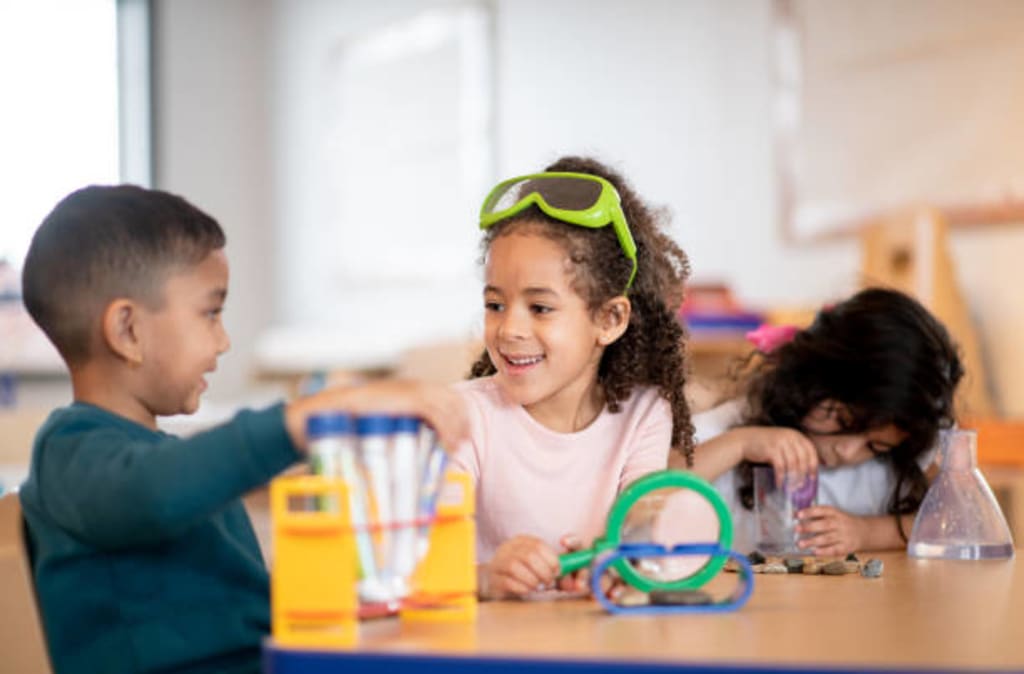
In today’s globalized world, early childhood education plays a crucial role in shaping young minds to be open, empathetic, and inclusive. Teaching diversity and inclusion in nursery schools is not just about exposing children to different cultures, traditions, and perspectives—it’s about fostering respect, kindness, and a sense of belonging for all.
At a young age, children are naturally curious about the world around them. By introducing inclusive teaching methods, educators can help them understand and appreciate differences while developing a strong foundation for lifelong acceptance and respect.
From diverse books to multicultural activities, nursery schools are increasingly taking steps to create an inclusive learning environment where every child feels valued.
Why Diversity and Inclusion Matter in Early Education
Children begin forming perceptions about the world from the moment they start interacting with others. Research shows that by the age of three, they can already notice differences in race, gender, and abilities.
This makes early childhood education a critical time to introduce diversity and inclusion in a way that is natural, engaging, and age-appropriate.
A nursery environment that embraces diversity benefits children in many ways. It helps them:
- Develop empathy and understanding toward people from different backgrounds.
- Build confidence in their own identity while respecting others.
- Learn about fairness, kindness, and equality.
- Gain exposure to different languages, cultures, and traditions, which enhances cognitive development.
How Nursery Schools Promote Diversity and Inclusion
Multicultural Books and Storytelling
One of the simplest yet most powerful ways to introduce diversity is through books. When children see characters who look like them and also those who are different, they develop a broader understanding of the world.
Many nursery schools integrate multicultural books into their reading sessions, featuring stories from different cultures, abilities, and family structures.
Storytelling sessions can also introduce themes of kindness, acceptance, and inclusion, helping young children grasp these concepts in a relatable way. Through engaging narratives, they learn that differences should be celebrated, not feared.
Inclusive Play and Activities
Play is a fundamental part of early childhood education, and when planned thoughtfully, it can teach valuable lessons about diversity. Nurseries incorporate role-playing games, multicultural music, and international dress-up days to expose children to different traditions in a fun and interactive way.
Additionally, many Montessori nursery settings emphasize open-ended play that allows children to explore and engage with various materials from different cultures. This hands-on approach helps them develop a natural curiosity about the world while fostering respect for diverse backgrounds.
Representation in Learning Materials
From posters and toys to classroom decorations, a truly inclusive nursery ensures that all children see themselves reflected in their surroundings. Dolls of different ethnicities, puzzles showcasing various family structures, and artwork celebrating different traditions help normalize diversity from an early age.
Educators also take care to use inclusive language and examples when teaching concepts, ensuring that all children feel seen and heard.
Celebrating Cultural Festivals and Traditions
Nurseries that celebrate a wide range of cultural festivals help children understand and respect different customs. Whether it’s Chinese New Year, Diwali, Hanukkah, or Eid, participating in celebrations teaches children about different traditions in an engaging and memorable way.
Many nurseries walton on thames organize cultural appreciation days where children can taste international foods, listen to traditional music, or create art inspired by different cultures. These hands-on experiences provide valuable lessons in acceptance and appreciation.
Encouraging Inclusive Friendships
A key aspect of teaching diversity and inclusion is ensuring that all children feel welcomed and included in daily interactions. Teachers play an active role in fostering friendships among children of different backgrounds, encouraging collaboration, and addressing any signs of exclusion or bias early on.
Social-emotional learning activities, such as circle time discussions and group projects, help children develop important skills like active listening, kindness, and cooperation. These interactions teach them that while we may all be different, we share common feelings and experiences.
Final Thoughts
By prioritizing diversity and inclusion, nursery schools lay the foundation for a more accepting and compassionate society. When children grow up in an environment that values and celebrates differences, they become more open-minded, respectful, and inclusive individuals.
Nurseries play a vital role in shaping these little world citizens, ensuring they understand that no matter where someone comes from or what they look like, everyone deserves kindness, respect, and a sense of belonging.
Through books, activities, celebrations, and inclusive teaching practices, nurseries are creating learning spaces where every child feels valued—today and for the future.
Read More :- Montessori or Traditional? Choosing the Best Start for Your Child
About the Creator
William Henry
At Best Independent Schools UK, we are here to make your journey smoother by providing detailed information about some of the best nurseries and preparatory schools in England
Keep reading
More stories from William Henry and writers in Education and other communities.
Stay Calm, Study On: Practical Ways to Manage Sixth Form Stress
Sixth form is a critical stage in a student’s academic journey, bridging the gap between secondary school and higher education or employment. It comes with increased academic demands, personal responsibilities, and the added pressure of making important life choices.
By William Henry10 months ago in Education
How Learning About Global Health Gives Early Impacts to Medical Students
Medical students begin forming their professional identities long before they enter residency, and early exposure to global health giving plays a decisive role in shaping those identities. While traditional training emphasizes diagnostics and clinical precision, global learning encourages students to understand the broader human context behind every medical decision.
By Dr. Seth Eidemiller5 days ago in Education
Why Do We Dream?
In the third millenium BCE, Mesopotamian kings recorded and interpreted their dreams on wax tablets. A thousand years later, Ancient Egyptians wrote a dream book listing over a hundred common dreams and their meanings. And in the years since, we haven't paused in our quest to understand why we dream. So, after a great deal of scientific research, technological advancement, and persistence, we still don't have any definite answers, but we have some interesting theories. We dream to fulfill our wishes.
By Munesh Yadav2 days ago in Education
So You Decided To Become a Nurse Practitioner:
So you decided to become an "Advanced Practice" nurse. Congratulations!... is what I would say if this was a good idea. Grad school? In this economy? What were you thinking? Likely it was something along the lines of either 1) “I've seen these other chucklefucks do it— Why can't I?” or even 2) “I've got a nice career, I should shake it up. I miss feeling like I have no clue what I'm doing.”
By Sandor Szaboabout 21 hours ago in Fiction


Comments
There are no comments for this story
Be the first to respond and start the conversation.