
Light That Speaks: Design Principles for Stunning Events and Brand Experiences
From Galas to Brand Activations, Lighting Design That Captivates Every Audience

Understanding the Power of Lighting Design
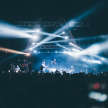
Lighting design is more than turning on lights—it’s about shaping how people feel, focus, and remember an event. Whether it’s an elegant gala or a high-energy brand activation, the right lighting design principles help tell a story. From soft glows that add romance to bold effects that energize crowds, lighting design is a key part of creating moments that stay with people long after the event ends.
Setting the Mood with Color and Contrast
Color plays a major role in setting the tone of an event. For galas, soft white or warm amber lighting brings elegance and calm. For brand activations, designers may use bold colors like red, blue, or green to show energy and excitement. Using color in layers can help highlight key features, like a product on stage or a speaker at a podium.
Contrast is also important. A space where everything is the same brightness feels flat. But when some areas are lit more than others, it adds depth. This helps draw the eye where you want it to go—toward a logo, a display, or the main action.
Using Movement and Timing for Emotional Impact
Lighting that moves or shifts over time can make a strong emotional impact. Think about a spotlight that slowly rises with music or a burst of color that hits right when a new product is revealed. These moments stick in people’s minds because they create drama and surprise.
At galas, lighting changes can help move guests from dinner to speeches or from a quiet moment to a dance floor. For brand events, well-timed lighting can make a product launch feel like a performance. In both cases, light becomes a tool to guide the audience through the experience.
Designing for Function as Well as Style
Good lighting design also helps people see and move comfortably. For example, at a gala, guests need to read menus and walk through spaces safely. At a brand activation, visitors need to find booths, signs and exits clearly. Lighting should be beautiful, but it must also be useful.
This means lighting designers must consider glare, shadow, and how lights are aimed. They may use dimmable lights or spotlights that stay focused. They also test setups in advance to make sure lighting supports every part of the event.
Highlighting Key Features with Focused Light
Focused lighting draws attention to the most essential parts of an event. This might be a guest speaker, performer, or centerpiece at a gala. At a brand event, it could be a new product or a logo wall. Using spotlights or directional lights can help these elements stand out.
Focused lighting also helps reduce visual noise. When everything is lit the same way, nothing stands out. But with a clear focus, the audience knows where to look and what matters most.
Creating Flow Through Zones of Light
Events often have different zones: entrance areas, seating areas, display zones, or stages. Each one needs its feel, but they must work together. Lighting helps create that flow. Designers use changes in brightness or color to show movement from one area to another.
For example, the entry may have bright, inviting lights that shift to warmer tones in the dining area. A stage might glow in bold colors while nearby spaces stay more neutral. These lighting transitions make the space feel alive and well-planned.
Incorporating Brand Identity Through Light
Brand activations must reflect a brand’s style. That means using colors, patterns, and light placement that fit the brand. For example, a tech brand may use clean, cool tones and sleek lighting. A fashion brand might prefer soft pinks or spotlights that resemble a runway.
Brands' lighting design must stay consistent with their voice. Even the shadows and angles can speak to a brand’s personality—sharp for edgy brands, soft for classic ones. The goal is to make guests feel the brand, not just see it.
Sustainable and Smart Lighting Choices
Modern lighting design also includes innovative technology and energy-efficient options. LED lights are now standard because they use less power and can be programmed for many effects. Wireless control systems allow for quick changes without complex wiring.
Sustainability matters for large events. Many clients want to reduce waste and energy use. Designers who use green lighting systems and reuse lighting gear add value and raise awareness. This practice also helps meet venue guidelines or sponsor expectations for responsible practices.
Planning for a Seamless Experience
Great lighting doesn’t happen by chance. It starts with detailed planning. Designers must walk through venues, examine layout plans, and test different setups. They also talk with clients, sound teams, and video teams to ensure everything works together.
Testing is a significant part of good lighting design. Designers may use mock-ups and virtual plans or run full-light shows before guests arrive. These steps help prevent problems and ensure every lighting moment works as planned.
Why Lighting Design Matters More Than Ever
In today’s world, guests expect more than just a nice dinner or cool product. They want to feel something, and they want to share photos and videos. Lighting design makes these moments possible. It shapes how events look in person and online, turning simple spaces into scenes worth remembering.
From galas to brand activations, lighting design principles—like contrast, focus, timing, and flow—turn a plan into an experience. When done well, lighting doesn’t just support the event. It becomes the star.
About the Creator
Brian Casella
Brian Casella is an event lighting designer and property owner who blends creativity with business across the Northeast through design and real estate work.
Portfolio: https://briancasella.com/
Keep reading
More stories from Brian Casella and writers in Education and other communities.
Giving Back Through the Stage: Brian Casella’s Mission in Theater and Community
Brian Casella is not a household name, but in his local community, he’s a quiet force of creativity and kindness. His work in theater and his deep passion for helping others have touched many lives. With a strong vision and a passion for the arts, Brian combines acting, directing, and community service into a powerful mission: to uplift people through performance and volunteering. This story highlights how he gives back and shows how others can be inspired to do the same.
By Brian Casella7 months ago in Education
Scaling a Business by Doing Less, Not More
Many business owners believe growth comes from adding more. More services, more markets, more tools, and more staff. While this sounds logical, it often leads to confusion and burnout. Scaling a business becomes easier and more sustainable when leaders choose to do less, but do it better.
By Darrell Hulsey4 days ago in Education
How Regulatory Rules Are Reshaping the Complexity of Modern Lending Facilities
Lending facilities are a core component of the financial system, enabling banks and financial institutions to provide liquidity, manage credit flow, and support economic stability. In today’s highly regulated financial environment, regulatory compliance, financial regulations, and lending rules have become central to how these facilities function. As oversight increases, lenders must navigate a growing web of requirements that directly affect the structure, speed, and accessibility of lending facilities.
By Eric Kleiner4 days ago in Education



Comments