
Light That Moves People: Exploring the Art and Impact of Lighting Design in Modern Event Production
Lighting That Inspires: Understanding the Art and Impact of Modern Event Lighting Design
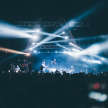

Lighting design has become one of the most influential parts of modern event production. It does far more than brighten a room or spotlight a stage. It shapes mood, builds emotion, and helps tell a story without using a single word. Today, events rely on lighting design to create moments that feel powerful, exciting, and memorable. With new tools and creative techniques, lighting designers continue to push the limits of what events can look and feel like. This article explores the art and impact of lighting design and how it brings modern events to life.
Why Lighting Design Matters More Than Ever
In the past, event lighting was simple. It focused mainly on visibility. As events grew larger and more creative, lighting design became a key part of the experience. Modern audiences expect more than standard stages or plain décor. They want atmosphere, energy, and visuals that excite the senses. Lighting design helps deliver all of these elements. Lighting affects how guests feel the moment they enter a space. Warm lights can make a room feel welcoming and calm. Cool tones create a sense of focus and clarity. Bright beams bring energy and excitement. Without strong lighting design, events may feel flat or incomplete.
Event planners now consider lighting in the early stages of planning. They work with designers to build themes, choose color palettes, and map out transitions. Good lighting design brings unity to the event and ensures every part feels intentional. Lighting also helps control the flow of the event. It guides attention to speakers, performers, or important moments. This keeps guests focused and helps everything run smoothly. Whether the event is a conference, wedding, festival, or concert, lighting design plays a critical role in shaping the experience.
How Lighting Creates Mood and Emotion
Light has a strong effect on human emotion. We react naturally to brightness, color, and contrast. This is why lighting design is one of the most powerful storytelling tools in modern events. Color is essential. Soft gold tones bring warmth and joy. Purple and blue shades create a sense of calm and depth. Sharp red tones add intensity. Lighting design uses these colors to match the emotion of each moment. When a tone shifts, the mood of the room shifts with it.
At weddings, lighting design makes each moment more beautiful. The first dance may use soft, romantic lighting. The reception may use colorful lights to create a lively dance floor. At concerts, lighting design supports each song with matching effects that strengthen the message. Even in corporate events, lighting supports emotions. Bright and even lighting helps guests stay alert and connected. Accent lighting highlights essential products or branding. Every choice shapes how guests feel throughout the event.
New Technology That Expands Creative Possibilities
Modern technology has changed the way lighting designers work. Today’s tools allow more precision, creativity, and control than ever before. They help lighting designers create scenes that look bold, smooth, and professional. LED lighting is one of the most significant innovations in modern event production. LEDs are energy-efficient, long-lasting, and capable of producing a wide range of colors. They allow designers to shift moods instantly. Because LEDs stay cool and use less power, they can be placed almost anywhere in the venue.
Laser technology adds sharp beams and shapes that interact with music and movement. Lasers create futuristic looks that stand out in festivals, concerts, and large shows. Control systems bring all of these tools together. Designers can program lighting cues to match music, movements, or speeches. These systems maintain smooth, consistent lighting. They enable running complex shows with perfect timing. Technology has not replaced creativity. Instead, it gives lighting designers new ways to express ideas and bring event themes to life.
Lighting Design and Its Power to Engage Audiences
Audience engagement is a key goal of modern event production. Lighting design helps keep people connected, excited, and emotionally involved from start to finish. Lighting directs attention. A spotlight on a speaker tells the audience exactly where to look. A shift in color signals a new moment or transition. These cues prevent confusion and support a smooth experience.
Interactive lighting is also growing in popularity. LED wristbands, color-changing walls, and sensor-based lighting make guests part of the show. These features create shared moments that feel exciting and memorable. Engagement rises when lighting is used with intention. It helps events feel organized, emotional, and visually rich. When guests think about the impact of lighting design, the event becomes more meaningful and enjoyable.
The Future of Lighting Design in Event Production
The future of lighting design is bright and full of new ideas. As events evolve, designers will continue to explore fresh ways to combine creativity and technology. Sustainability is becoming more critical. LED lighting and energy-efficient systems reduce power use and support greener event planning. Many designers now choose eco-friendly options without sacrificing quality.
Automation may become a larger part of lighting design. AI systems can adjust lighting based on sound, motion, or audience reactions. These systems help designers work faster and create more complex shows. Creatively, lighting design will continue to blend with video, sound, and interactive elements. Events will feel more immersive, emotional, and connected than ever before. Lighting design is an art form that brings events to life. It shapes mood, supports storytelling, and strengthens the entire experience. As technology improves and creativity expands, lighting design will remain one of the most essential parts of modern event production.
About the Creator
Brian Casella
Brian Casella is an event lighting designer and property owner who blends creativity with business across the Northeast through design and real estate work.
Portfolio: https://briancasella.com/
Keep reading
More stories from Brian Casella and writers in Education and other communities.
Beyond Brightness: How Theatrical Lighting Turns Ordinary Events Into Unforgettable Experiences
When most people think about event lighting, they imagine bright spotlights or pretty colors. But in the world of theater, lighting is far more than a decorative afterthought—it’s a powerful storytelling tool. Today, event designers are embracing these theatrical methods to give modern gatherings a sense of drama, emotion, and flow that guests can feel instinctively.
By Brian Casella3 months ago in Education




Comments
There are no comments for this story
Be the first to respond and start the conversation.