
Learning the Science of Animal Life — Zoology
An Introduction to the Science of Zoology and Its Contemporary Significance
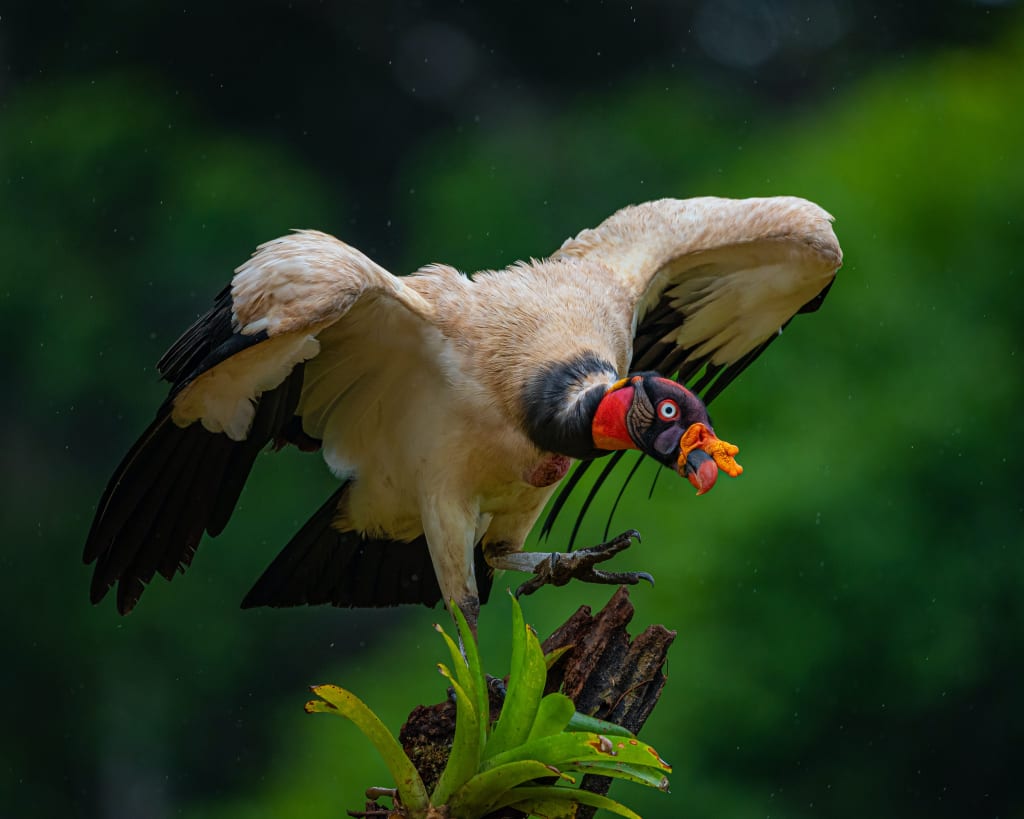
The study of animal behaviour, physiology, evolution, classification, and ecology are all topics that fall under the umbrella of zoology. The study of ecology is a vital part of biology that aims to understand the variety of life in the animal kingdom, the ways in which organisms interact with their surroundings, and the role that organisms play in maintaining the stability of ecosystems. The purpose of this paper is to present a summary of Zoology, covering its origins, several subfields, and their relevance to the modern world.
Evolution of Zoology
Zoology may be traced all the way back to the time when people first started observing and interacting with different species of animals. The ancient civilizations of Egypt, Greece, and Rome all had a keen interest in the natural world and made significant contributions to the field of animal research. The ancient Greek philosopher Aristotle wrote extensively on the subject of animals and the categorization of them, and his work was used as the foundation for the formation of Zoology as a scientific discipline.
During the Middle Ages, religious notions and superstitions had a significant impact on the study of animals; nevertheless, during the Renaissance, the scientific study of animals gained favour again. In the 17th century, the invention of the microscope and other scientific instruments cleared the door for more advanced studies of animals. As a result, the branch of study known as zoology came into existence at this time.
Departments of Zoology
Each of zoology's several sub-disciplines focuses on a particular area of animal life. The following are some of the major branches of Zoology:
Anantomy: This field of Zoology is concerned with the structure and organs of animals.
Physiology: This subfield of Zoology investigates the functioning of animals and their organs.
Ethology: This field of Zoology investigates animal behaviour and its interactions with their surroundings.
Taxonomy: This field of Zoology is concerned with classifying creatures according to their traits and evolutionary history.
Ecology: Ecology is the branch of Zoology that investigates the interactions between animals and their environment, as well as the effect of environmental conditions on the behaviour and physiology of animals.
Significance of Zoology
The field of Zoology has a number of important applications in today's modern world. Zoology has made substantial contributions to the improvement of medical science, especially the study of human anatomy and physiology. This is only one of the many areas in which zoology is significant. Animal models are utilised extensively in the field of medical research in order to better understand human diseases and to develop novel treatments.
Agriculture: Zoology plays a vital role in agriculture by assisting farmers in managing crop- and livestock-affecting pests and diseases. Additionally, the study of animal behaviour and physiology has resulted in the development of more efficient and sustainable agricultural practises.
Conservation: The study of zoology is essential for the protection of threatened species and the maintenance of biodiversity. The study of animal behaviour and ecology not only enables us to appreciate the consequences that human actions have on wildlife and the environment, but it also enables us to create ways to lessen the severity of these effects.
Zoology is a fascinating topic of study, and as a result, many students are inspired to pursue careers in the scientific field. The study of animals is also a useful tool for teaching fundamental concepts in the fields of biology, ecology, and evolution.
Conclusion
Research in the field of zoology is significant because it contributes to our comprehension of the animal kingdom and the relationships that it maintains with its surroundings. Its beginnings may be traced all the way back to antiquity, and since then, it has evolved into a complex pitch that incorporates a wide range of subfields. Zoology continues to spark the interest of students and scientists from all over the world because it offers applications in a variety of fields, including medicine, agriculture, education, and conservation.
About the Creator
Keep reading
More stories from writers in Education and other communities.
Critical College Application Mistakes That Lower Your Acceptance Odds
Applying to college is a pivotal step in shaping your future, and even strong students often make preventable mistakes that reduce their chances of getting accepted. Although the application process may feel complicated and time-consuming, avoiding common errors can significantly strengthen your overall profile. Eventually, understanding what admissions officers look for helps you create a more polished and compelling submission. While every applicant has unique strengths and challenges, developing a thoughtful approach ensures that the admissions success strategy supports your goals at every stage.
By Carmen Reid5 days ago in Education
One Hard Thing
Stop me if you’ve heard this one before: You have the number, you know your schedule- you’ve even picked out the perfect day and time to make this appointment. Shoot, you’ve even picked out alternative days and times just in case their schedules can’t accommodate you!
By Taylor Rigsby5 days ago in Motivation
10 Times Rotten Tomatoes and I Disagreed
***Disclaimer*** I will be ranking these movies in the following manner: The greater the divide between Rotten Tomatoes and I, the higher up on the list (and I am referring to the critic's score, not the audience score). I will also show Rotten Tomatoes' score on each one in addition to my score. I am curious to know what everyone thinks, please let me know in the comments below!
By Madison "Maddy" Newton5 days ago in Geeks



Comments
There are no comments for this story
Be the first to respond and start the conversation.