
Learn How to Read Quran Online
Learn How to Read Quran Online


For many Muslims, the ability to read the Quran represents a fundamental spiritual milestone and a deeply personal connection with the divine revelation. Whether you're a new convert to Islam, someone who grew up Muslim but never learned to read Arabic, or a parent wanting to ensure your children develop this essential skill, the desire to read the Quran fluently is both admirable and achievable. The internet has revolutionized access to Quran education, making it possible for anyone with determination and an internet connection to learn this sacred skill regardless of their location or circumstances.
Quran Reading involves more than simply recognizing Arabic letters and pronouncing words. It requires understanding the unique characteristics of Quranic script, mastering the pronunciation of sounds that may not exist in your native language, and applying the rules of tajweed that govern how letters are articulated and how words flow together. This might sound overwhelming if you're starting from scratch, but countless people before you have successfully learned to read the Quran online, and the resources available today make this journey more accessible than ever. The key is approaching the task systematically, with patience and realistic expectations about the time and effort required.
The first step in learning to read the Quran online is finding a structured program or teacher that matches your starting level. If you cannot currently recognize any Arabic letters, you need a complete beginner program that starts with the alphabet. These foundational courses teach you each letter's name, its sound, and how its shape changes depending on whether it appears at the beginning, middle, or end of a word. Many excellent online resources cater specifically to absolute beginners, using visual aids, repetition, and interactive exercises to help you master the Arabic alphabet. Some programs gamify this learning process, making it engaging rather than tedious, which helps maintain motivation during these crucial early stages.
YouTube has become an invaluable free resource for learning to read the Quran, with numerous qualified teachers offering complete structured courses at no cost. Searching for terms like "learn to read Quran for beginners," "Quran reading course," or "Noorani Qaida" yields hundreds of results. The Noorani Qaida method, in particular, is a time-tested systematic approach that takes complete beginners through progressively more complex reading exercises until they can read actual Quranic text fluently. Many teachers have uploaded complete Noorani Qaida courses to YouTube, allowing you to work through lessons at your own pace. The advantage of video lessons is that you can see exactly how the teacher's mouth moves when producing sounds, which proves invaluable when learning to pronounce letters correctly.
While free resources like YouTube provide excellent content, working with a live online teacher offers distinct advantages that accelerate learning. A teacher can hear your pronunciation in real time and correct mistakes immediately before they become ingrained habits. They can pace lessons according to your individual progress rather than moving according to a pre-recorded curriculum. They provide accountability and structure that helps you stay consistent rather than abandoning your studies when motivation wanes. Many online platforms connect students with qualified Quran teachers for one-on-one video lessons at reasonable rates. These platforms typically let you try a free trial lesson before committing, allowing you to ensure you feel comfortable with the teacher and the technology.
Understanding tajweed basics early in your learning journey improves your reading from the start. Tajweed encompasses the rules governing Quran recitation, including how to pronounce letters correctly, when to elongate sounds, where to pause, and how letters affect each other when they appear in sequence. While mastering advanced tajweed takes years, learning basic rules as you're first developing reading skills ensures you build good habits rather than having to unlearn incorrect pronunciation later. Many online Quran reading courses integrate basic tajweed instruction from the beginning rather than treating it as an advanced topic to address only after you can already read.
Technology tools and apps complement structured lessons by providing practice opportunities throughout your day. Several mobile applications teach Arabic letter recognition through flashcards and games, help you practice connecting letters into words, and offer quizzes that reinforce what you've learned. These apps work particularly well for short practice sessions during commutes, waiting periods, or any spare moments when you have your phone available. While apps alone won't teach you to read the Quran fluently, they serve as valuable supplementary tools that keep you engaged with the material between formal lessons.
Creating a consistent practice schedule matters more than the length of individual study sessions. Practicing for fifteen to twenty minutes daily produces better results than studying for two hours once a week. Consistency allows your brain to consolidate learning between sessions and builds the automatic recognition that fluent reading requires. Choose specific times that work reliably within your daily routine, whether that's early morning before family obligations begin, during lunch breaks, or in the evening after dinner. Protecting this time and treating it as a non-negotiable appointment with yourself demonstrates the importance you place on this spiritual goal.
Recording yourself as you practice provides valuable feedback that you might otherwise miss. When you're focused on reading, you may not notice mistakes in pronunciation or rhythm. Recording short practice sessions and playing them back allows you to hear yourself as others would and identify areas needing improvement. Some students find it motivating to keep these recordings as a progress journal, occasionally listening to early attempts and comparing them to current reading ability to appreciate how far they've progressed.
Patience with yourself during the learning process cannot be emphasized enough. Adults learning to read Arabic face unique challenges compared to children because our brains process new languages differently than young minds do. You might feel frustrated when progress seems slow or when letters that looked distinct yesterday suddenly look identical today. These struggles are completely normal and temporary. Every person who now reads the Quran beautifully experienced these same frustrations at the beginning. The difference between those who succeed and those who give up isn't talent but persistence through the difficult early stages.
Group online classes offer a middle ground between self-study and private lessons that some learners find ideal. In group settings, you benefit from a live teacher's guidance while sharing costs with other students, making instruction more affordable than private lessons. You also gain motivation and community from studying alongside others at similar levels, learning from their questions and mistakes as well as your own. The potential disadvantage is less individual attention and inability to progress at your own unique pace, but for many learners, the benefits outweigh these limitations.
Understanding that reading fluency develops in stages helps set appropriate expectations. Initially, you'll laboriously sound out each letter, making reading a single word feel like significant effort. With practice, letter recognition becomes automatic, allowing you to focus on combining letters into words rather than identifying individual characters. Eventually, you'll recognize common word patterns without consciously thinking about individual letters. Finally, fluent reading emerges where your eyes move smoothly across the page and words flow naturally. This progression takes months, not weeks, but each stage brings its own satisfaction and brings you closer to your goal.
Many online Quran reading programs structure their courses into clear levels with assessments between stages. These milestones help you track progress and ensure you've mastered foundational skills before advancing to more complex material. Celebrate completing each level rather than focusing solely on the distant goal of fluent Quran reading. These intermediate victories maintain motivation during the lengthy learning process and remind you that consistent effort produces real results.
Connecting your reading practice directly to the Quran itself, even early in your learning, makes the process more meaningful than abstract alphabet drills. Once you can recognize letters and simple words, begin attempting to read actual Quranic verses, perhaps starting with the shortest surahs at the end of the Quran that you've likely heard in prayers. Following along with audio recitations while reading the Arabic text helps you internalize proper pronunciation and rhythm. Many websites and apps provide color-coded Quranic text that highlights different tajweed rules, making it easier to apply what you're learning about proper recitation.
The spiritual dimension of learning to read the Quran sets this endeavor apart from learning any other language or skill. This isn't just academic knowledge but a means of connecting with divine guidance and participating in a tradition of Quranic recitation spanning fourteen centuries. Approaching your study with this awareness transforms practice sessions from educational tasks into acts of worship. Beginning each study session with sincere intention and ending with gratitude for the ability to engage with Allah's words infuses the learning process with spiritual meaning that sustains motivation when the technical challenges feel overwhelming.
Support from family and friends significantly impacts your likelihood of success. Share your goal of learning to read the Quran with people close to you, both to create accountability and to gain encouragement during difficult moments. If others in your household are also interested, consider learning together, practicing with each other, and supporting one another through the challenges. Even if you're learning individually, having people who understand the importance of this goal and respect your study time makes the journey less isolated.
Learn how to read the Quran online requires no special talent, just commitment, appropriate resources, and consistent effort over time. Thousands of people who once couldn't recognize a single Arabic letter now read the Quran fluently because they decided to start and refused to quit when learning became difficult. The resources available online today mean that geography, financial constraints, and busy schedules no longer have to prevent you from achieving this meaningful goal. Your journey of a thousand miles truly does begin with that first step of deciding to learn and taking action toward making it happen.
About the Creator
Islamic Reflections
Sharing reflections from Qur’an & Sunnah 🌿 Inspiring faith, wisdom, and reminders for the heart. Writing to spread light, knowledge, and the beauty of Islam.
Keep reading
More stories from Islamic Reflections and writers in Education and other communities.
How to Learn Quran Online
The digital revolution has transformed how Muslims around the world access Islamic education, making it possible to learn the Quran from the comfort of your home regardless of where you live. Whether you're in a remote area without nearby mosques offering classes, managing a busy schedule that makes attending physical classes difficult, or simply prefer the flexibility of online learning, the internet provides unprecedented opportunities to connect with qualified teachers and comprehensive programs. Understanding how to navigate this digital landscape and make the most of online Quran learning can set you on a path toward meaningful spiritual growth and deeper connection with the words of Allah.
By Islamic Reflections2 months ago in Education
Mastering X-Bar Theory in Grammar in 10 Minutes
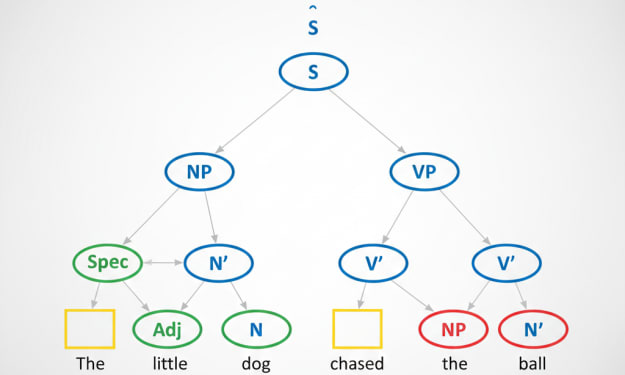
Grammar can often feel like a maze of confusing rules, especially when we dive into syntax — the study of sentence structure. One of the foundational tools in modern linguistics is X-Bar Theory, a framework that helps explain how words and phrases combine to form sentences. While it might sound intimidating, understanding X-Bar Theory can become straightforward if approached step by step.
By Games Mode Ona day ago in Education
Smart phones, Humans and Aliens.
WARNING. I will be tapping into one of your favorite creative tensions: The absurdity of humans worshipping their glowing rectangles as if they were tiny oracles. There’s something deliciously poetic about that contradiction, and it lends itself beautifully to an instructive proviso.
By Novel Allen4 days ago in Poets


Comments
There are no comments for this story
Be the first to respond and start the conversation.