
Learn A Simple Guide to Reducing Stress
A Simple Guide to Reducing Stress


A Simple Guide to Reducing Stress
Welcome to our guide on reducing stress. We'll cover effective ways to manage stress and find relief from anxiety. Stress is something we all face, and it's key to know how it affects our health.
Long-term stress can harm us a lot. But, by learning to manage it, we can feel better. This guide will give you the tools to handle stress, whether it's from work or personal life.

We aim to teach you about stress, its types, and how to deal with it. By the end, you'll know more about managing stress and finding peace. This will help you live a healthier, happier life.
Key Takeaways
Stress is a natural response to a perceived threat or pressure
Chronic stress can have severe consequences on physical and mental health
Effective stress management techniques can improve overall well-being
Anxiety relief methods can help reduce stress levels
Understanding the different types of stress is crucial for effective management
Practical techniques can help you take control of your stress levels
Understanding What Stress Really Is
Stress is a natural reaction to a threat or pressure. When we feel stressed, our body releases hormones like cortisol and adrenaline. These hormones get us ready to "fight or flight." But, constant stress can harm our health.
To handle stress well, we need to know the different types of stress. We also have to find out what makes us stressed.
There are many types of stress. Each type affects our body in its own way. For instance:
Acute stress is a short-term reaction to a specific event.
Episodic acute stress happens when we face stress often.
Chronic stress is long-term stress that keeps going.
Finding out what stresses us is key to managing it. Knowing our stress triggers helps us find ways to deal with them. We can use mindfulness, meditation, or change our lifestyle.
By knowing the types of stress and our personal stress triggers, we can start managing stress. This improves our overall health. Next, we'll look at quick ways to reduce stress.
Quick Physical Techniques for Immediate Stress Relief
Physical activity is a natural way to reduce stress. Even short exercises can make a big difference. Techniques like deep breathing, progressive muscle relaxation, and short walks are very effective. They lower stress hormones and release endorphins, which boost mood.
Here are some physical stress relief techniques:
Deep breathing exercises: slow, deep breaths calm the mind and body
Progressive muscle relaxation: tensing and relaxing muscles releases tension
Short walks: a short walk clears the mind and reduces stress
Regular exercise also lowers stress and improves mood. Adding physical stress relief to daily life helps manage stress better. For immediate stress relief, find activities that work for you and do them regularly.
https://youtube.com/watch?v=h2zWopNUUJE
The Power of Mindfulness and Meditation
Mindfulness and meditation are great for reducing stress and boosting well-being. They help us stay in the present moment. This lets go of worries about the past or future, bringing calm and clarity.
Regular mindfulness practice also improves emotional control. This leads to better moods and less anxiety.
Mindfulness is easy to start. You can do mindful breathing exercises anywhere, anytime. Basic meditation practices like focusing on the breath or a mantra are simple. They make it easy to begin your mindfulness journey.
Basic Meditation Practices
Some basic meditation practices include:
Focusing on the breath
Body scan meditation
Loving-kindness meditation
Mindful Breathing Exercises
Mindful breathing exercises help reduce stress and improve focus. They calm the mind and lower anxiety. Here are some tips:
Focusing on the sensation of the breath in the body
Noticing the length and depth of each breath
Letting go of distractions and staying present
Creating Your Meditation Space
Having a dedicated meditation space can make mindfulness better. It provides a peaceful, distraction-free area for practice. Here are some tips:
Element Description
Comfortable seating A cushion or chair that supports good posture
Calming colors Softer colors such as blue or green to promote relaxation
Natural light Positioning the space to receive natural light
By adding mindfulness and meditation to daily life, you can lower stress and feel better. Regular practice makes mindfulness a strong tool for managing stress and improving mental health.
Lifestyle Changes That Combat Stress
Changing your lifestyle is key to managing stress. Healthy habits can greatly lower stress levels. Eating well, with lots of fruits, veggies, and lean proteins, boosts mental health.
Regular exercise, like walking or jogging, also helps. It not only cuts down stress but also lifts your mood and health.
Setting limits and saying "no" can also help. It keeps your workload and personal life in check, preventing burnout. Taking short breaks during the day can also ease stress.
Some great ways to reduce stress include:
Engaging in regular exercise, such as yoga or swimming
Practicing mindfulness and meditation
Getting adequate sleep, aiming for 7-8 hours per night
Connecting with nature, whether through walking or hiking
By making these lifestyle changes, you can see a big drop in stress reduction. Remember, small steps can add up over time. Start with one or two new habits and grow from there. With time and effort, you can live a healthier, stress-free life.
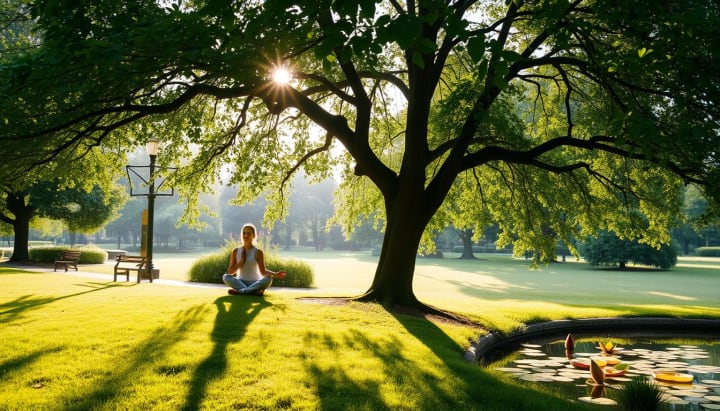
A Simple Guide to Reducing Stress Through Exercise
Regular physical activity is a proven way to reduce stress. You don't need to do intense workouts to see benefits. For beginners, try low-impact activities like walking, swimming, or yoga. These can help you feel more relaxed and centered.
It's important to create an exercise routine that fits your life. Include a mix of aerobic exercises, strength training, and flexibility exercises. Some low-impact activities are:
Brisk walking
Swimming
Yoga
Cycling
Mixing movement with mindfulness, like in yoga or tai chi, boosts the stress-reducing effects of exercise for stress. It promotes calm and well-being. Adding physical activity to your daily routine can help manage stress and improve health.
Find an exercise routine you enjoy and that fits your lifestyle. Regular exercise can reduce stress and enhance well-being through low-impact activities and other stress-reducing exercises.
Exercise Type Benefits
Walking Improves mood, reduces stress
Swimming Low-impact, improves flexibility
Yoga Combines movement with mindfulness
Nutritional Approaches to Stress Management
Managing stress is easier with the right nutrition for stress. Eating whole foods, fruits, vegetables, and grains gives your body what it needs. Foods like fish, rich in omega-3 fatty acids, can improve your mood and reduce stress.
Here are some foods that can help with stress management:
Fatty fish, such as salmon and tuna, which are rich in omega-3 fatty acids
Leafy greens, such as spinach and kale, which are rich in magnesium and other minerals
Whole grains, such as brown rice and quinoa, which are rich in complex carbohydrates
Drinking plenty of water and avoiding processed foods helps too. These steps can make your body stronger against stress. Adding these foods to your diet can improve your overall health and well-being.

Creating Boundaries for Better Mental Health
Setting boundaries is key for a healthy work-life balance and less stress. Not checking work emails outside work hours can stop burnout. These boundaries help keep personal time safe and focus on self-care.
Here are some ways to set healthy boundaries:
Set clear expectations with colleagues and managers
Have a specific work space to keep work and personal life separate
Limit social media and take digital breaks to avoid feeling overwhelmed
It's also important to protect personal time for rest and stress relief. This can be done by:
engaging in hobbies, spending time with family, or just relaxing. By valuing personal time and setting limits, you can handle stress better and feel better overall. Setting boundaries for mental health is a continuous effort but is vital for a balanced life.
By setting limits and managing digital stress, you can feel less anxious and sleep better. Remember, setting boundaries is not a one-time thing. It's an ongoing process that needs regular checks and changes. By focusing on mental health boundaries, you're taking a big step towards a healthier, more balanced life.
Boundary Benefits
Setting limits at work Reduces burnout and digital overwhelm
Protecting personal time Improves sleep quality and reduces anxiety
Managing digital overwhelm Enhances overall well-being and reduces stress
When to Seek Professional Support
Knowing when to get help for mental health is key to managing stress and feeling better. There are many kinds of support, like therapy, counseling, and support groups. These can give you the tools and advice you need to handle tough times.
Some signs you might need extra help include feeling sad or hopeless a lot, big changes in how much you eat or sleep, and trouble doing everyday things because of stress or anxiety. Remember, asking for help is a sign of strength. It's a big step towards keeping your mental health in good shape.
Types of Mental Health Support Available
Therapy: one-on-one sessions with a licensed therapist to address specific issues
Counseling: guidance on coping with stress, anxiety, or other mental health concerns
Support groups: community-based groups where individuals can share experiences and connect with others who face similar challenges
Signs You Need Extra Help
Knowing the signs you need help can help you take care of your mental health early. Look out for these key signs:
Signs of Needing Help Description
Persistent feelings of sadness Lasting emotions of sadness or hopelessness that interfere with daily life
Changes in appetite or sleep patterns Noticeable changes in eating or sleeping habits that may be related to stress or anxiety
Difficulty managing daily tasks Challenges with completing everyday tasks due to overwhelming stress or anxiety
Conclusion: Building Your Personal Stress-Relief Strategy
As you finish this guide, remember that making a stress management plan is key. It helps lower stress and boosts your well-being. By mixing the techniques from this article, you can make a personal stress-relief strategy that fits your life.
There's no single way to manage stress. What works for one might not work for another. Finding what works for you takes time, patience, and kindness to yourself. Try different things and change your plan as you learn more.
The aim is to build lasting habits for dealing with life's ups and downs. By focusing on your mental health and managing stress, you become stronger. You'll be more productive and live a better life. Take this chance to handle your stress and live a healthier, more balanced life.
FAQ
What is stress and how does it affect the body?
Stress is our body's way of reacting to threats or pressure. It triggers a hormonal response, releasing cortisol and adrenaline. Long-term stress can harm both our physical and mental health.
What are the different types of stress?
There are three main types of stress. Acute stress is short-term, episodic acute stress is recurring, and chronic stress is ongoing. Each type affects the body differently.
How can I identify my personal stress triggers?
Knowing what triggers your stress is key to managing it. Notice situations, people, or events that make you feel overwhelmed. Keep a record of these triggers.
What are some quick physical techniques for immediate stress relief?
Activities like deep breathing, progressive muscle relaxation, and short walks can help right away. They lower stress hormones and boost endorphins.
How can mindfulness and meditation help reduce stress?
Mindfulness and meditation teach you to focus on the present. They help you let go of past or future worries. Regular practice can reduce stress, improve mood, and enhance well-being.
What lifestyle changes can help combat stress?
Eating well, getting enough sleep, and exercising regularly can manage stress long-term. Setting boundaries and taking breaks also help reduce stress.
How can exercise help reduce stress?
Exercise is a proven stress reliever. Start with low-impact activities like walking or yoga. Find an exercise routine that fits your life for consistent benefits.
How can nutrition support stress management?
Eating whole foods, fruits, vegetables, and whole grains gives your body what it needs to handle stress. Omega-3 fatty acids and complex carbs can also improve mood and stress levels.
Why is it important to set boundaries for better mental health?
Healthy boundaries, like limiting work hours and disconnecting from digital devices, prevent burnout. They protect your time for rest and stress relief.
When should I seek professional support for managing stress?
If you feel sad or hopeless, notice big changes in appetite or sleep, or struggle with daily tasks due to stress, seek help. Therapy or counseling can be necessary.
About the Creator
Akhabue Jolly
"Welcome to my creative corner! I’m all about storytelling—sharing personal growth hacks, tech trends, and travel adventures to inspire and connect. Let’s explore together—follow for more exciting stories!"
Keep reading
More stories from writers in Education and other communities.
Why Certification Protects Transcription Careers in the Age of AI
Artificial Intelligence has rapidly transformed the transcription industry. Speech-to-text tools now promise instant results, lower costs, and effortless productivity. For businesses focused purely on speed, AI often appears to be the perfect solution. However, beneath this promise lies a critical reality: speed without accuracy creates risk.
By Mahesh Kumar5 days ago in Education
How Japan saved its biggest city from collapse
400 years ago, modern-day Tokyo was known as Edo, and it was already one of the biggest cities in the world, with a population approaching 1 million. However, it was on the verge of ecological collapse. Years of intense logging had led to massive deforestation. The city now faced timber shortages and the impacts of severe erosion and frequent flooding that threatened food supplies. But over just a few decades, Edo will transform and become one of the most sustainable and efficient cities in history.
By Munesh Yadav3 days ago in Education



Comments
There are no comments for this story
Be the first to respond and start the conversation.