
Key Technicalities in DevOps Every Professional Should Know
DevOps

Introduction
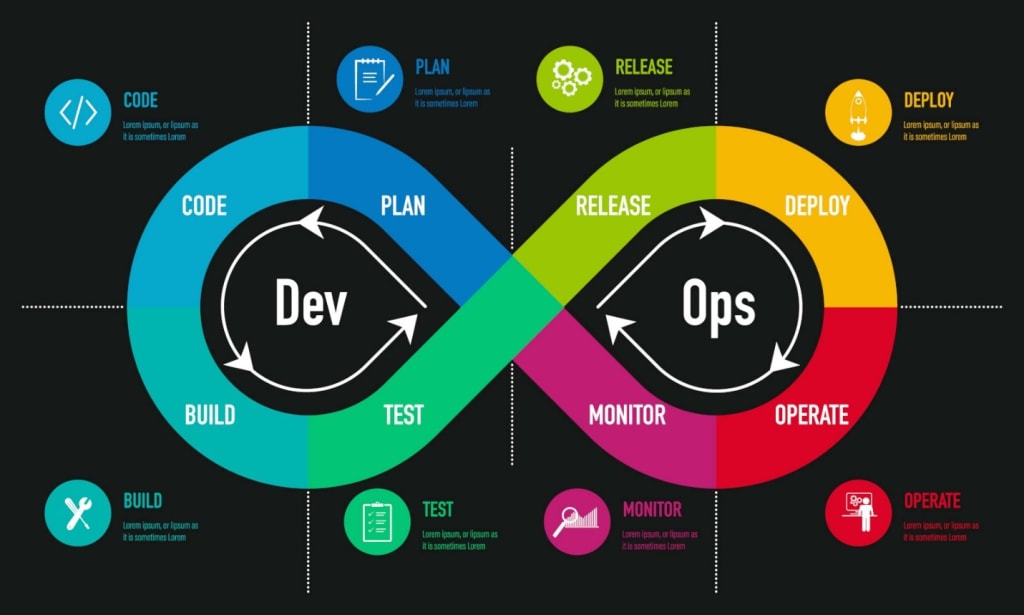
DevOps is a modern way of working that brings together software development and IT operations. It helps teams build, test, and release software faster and with fewer errors. Instead of working separately, developers and operations teams work together using tools and automation. This makes the whole process smoother, more reliable, and more efficient. For anyone working in DevOps, it’s important to gain the DevOps Certification and understand certain key technical skills and tools. These include things like version control, automation, cloud services, and monitoring.
In this article, we’ll explain the most important technical things every DevOps professional should know, using simple and clear language.
Major Technicalities in DevOps
DevOps is more than a methodology—it's a cultural and technical movement that bridges the gap between development and operations. For professionals looking to excel in this domain, understanding its core technicalities is crucial.
Below are the key concepts and tools every DevOps engineer should master:
1. Continuous Integration and Continuous Deployment (CI/CD)
At the heart of DevOps lies CI/CD, which ensures code changes are automatically built, tested, and deployed. Tools like Jenkins, GitLab CI, CircleCI, and GitHub Actions are essential here. CI ensures that code from multiple developers is integrated into a shared repository regularly, while CD automates the release of that code to production environments.
2. Version Control Systems (VCS)
Using VCS tools like Git is fundamental. These systems track code changes and enable team collaboration. Git, combined with platforms like GitHub, GitLab, or Bitbucket, helps manage repositories, pull requests, and code reviews efficiently.
3. Infrastructure as Code (IaC)
IaC allows you to manage and provision infrastructure using code. Tools like Terraform, AWS CloudFormation, and Ansible automate the setup and scaling of infrastructure, ensuring consistency across environments. This practice reduces manual errors and makes system replication much easier. Refer to the DevOps Online Course to learn more about various DevOps components.
4. Containerization and Orchestration
Containers package applications with their dependencies, making them portable and consistent across environments. Docker is the industry standard for containerization. For orchestration—managing containers in production—Kubernetes is the go-to tool. It handles scaling, networking, and deployment of containers automatically.
5. Monitoring and Logging
Monitoring systems provide visibility into application performance and infrastructure health. Tools like Prometheus, Grafana, Datadog, and New Relic offer insights to proactively address issues. Logging tools like ELK Stack (Elasticsearch, Logstash, Kibana) and Splunk help track system logs, aiding in debugging and incident management.
6. Configuration Management
Managing system configurations is essential in DevOps. Tools such as Puppet, Chef, and Ansible automate configuration across multiple servers, ensuring uniform environments and simplifying updates.
7. Cloud Platforms
Most DevOps environments operate in the cloud. Knowledge of AWS, Azure, or Google Cloud Platform (GCP) is essential for deploying, scaling, and managing applications. Each offers services that align well with DevOps principles, such as managed Kubernetes, CI/CD pipelines, and serverless computing.
8. Security (DevSecOps)
Integrating security into the DevOps lifecycle is known as DevSecOps. This involves automating security checks in CI/CD, managing secrets, and enforcing policies using tools like HashiCorp Vault, Aqua Security, and Snyk.
9. Collaboration and Communication
Effective collaboration is the backbone of DevOps. Tools like Slack, Microsoft Teams, Jira, and Confluence ensure smooth communication, task management, and documentation sharing between development and operations teams.
10. Scripting and Automation
Proficiency in scripting languages like Bash, Python, or PowerShell is essential for writing automation scripts. The course by DevOps Training in Delhi ensures the best guidance for aspiring professionals. These scripts are used for deployment, monitoring, testing, and other repetitive tasks that benefit from automation.
Conclusion
DevOps is an evolving field that requires a deep understanding of automation, collaboration, and modern infrastructure tools. Mastering these key technicalities not only boosts productivity but also ensures faster, reliable, and secure delivery of software products. As businesses move toward digital-first models, professionals with strong DevOps skills are in high demand, making this a crucial area of expertise for modern IT roles.
About the Creator
Tarunakashyap
I'm a blogger who contributes to the Croma Campus blog. Croma Campus is a training center that offers instruction in a variety of subjects.
Keep reading
More stories from Tarunakashyap and writers in Education and other communities.
Career Options with Business Analyst Training
Introduction Business Analysts are highly skilled professionals responsible for facilitating all the workflows in an organization. These professionals are an integral part of any business and are responsible for processing, documenting, and interpreting all business procedures through efficient data analytics. In addition, Business Analysts provide solutions to resolve different business issues and improve an organization’s products or services. They identify various business goals and work with the management, stakeholders, and team members to achieve those objectives and ensure greater productivity and profitability. Furthermore, the Business Analysts select and train the team members for different business projects, persuade the stakeholders about the benefits of a new business idea, execute the ideas to meet the business requirements, and perform financial analyses to budget and forecast the business resources. Every modern business today requires the assistance of a skilled Business Analyst to achieve better outcomes. This has generated a rise in the demand for Business Analysts in the industry. Therefore, many training institutes offer Business Analyst Online Training in India to help aspiring professionals develop industry-relevant skills and build a secure career as Business Analysts.
By Tarunakashyap3 years ago in Education
What Market Volatility Means for Your Investment Plan and Financial Future
Market volatility is a common but often misunderstood feature of investing. It refers to the unpredictable and sometimes dramatic changes in asset prices over short periods. These fluctuations are driven by factors such as economic data, corporate earnings, geopolitical events, and investor sentiment. For many, volatility can cause anxiety, but with the right knowledge and strategy, it becomes something to navigate, not fear.
By Winston Feng3 days ago in Education
Mum Says University “Failed” Son Who Took His Own Life After Grade Error
The day the email arrived was supposed to be a turning point. For months, the family had been waiting for it the final confirmation that years of late nights, student loans, and quiet sacrifice had been worth it. Instead, the message contained a mistake that would unravel a young man’s confidence and, according to his mother, expose a system that failed him when he needed it most.
By Omoogun oluwaseun mercya day ago in Education




Comments
There are no comments for this story
Be the first to respond and start the conversation.