
Key Occupational Health and Safety Practices to Protect Your Workforce
Practical steps every employer can take to create a safer and more productive workplace


Creating a safe workplace is one of the most important responsibilities a company has. Strong occupational health and safety practices protect people from harm, support productivity, and build trust. When workers feel safe, they can focus, stay motivated, and perform at their best. This article explains simple, straightforward steps any employer can take to protect their workforce through practical occupational health and safety practices.
Understanding the Importance of Workplace Safety
A safe workplace benefits everyone. It reduces injuries, lowers costs, and helps businesses stay compliant with regulations. When accidents happen, companies may face medical expenses, lost time, and damaged morale. Preventing these issues is easier and more effective than dealing with the aftermath of unsafe conditions.
Workers also feel more valued when their employer takes safety seriously. It shows respect for their well-being and creates a positive work environment. Strong occupational health and safety practices build trust and help teams grow stronger.
Create a Simple Safety Plan
Every workplace should have a clear, easy-to-understand safety plan. This plan should explain the company’s goals, rules, and procedures for keeping workers safe. It should be written in plain language so everyone can follow it without confusion.
A good safety plan includes information about hazards, training, emergency procedures, and personal responsibilities. Once the plan is ready, please share it with all employees and review it regularly. New workers should learn the safety plan during onboarding so they can start their job with confidence.
Look for Hazards Before They Cause Harm
Hazard identification is a key part of occupational health and safety practices. A hazard is anything that can injure a worker or cause illness. Hazards may include sharp tools, cluttered walkways, risky equipment, poor ventilation, or loud noise.
Walk through the workplace and observe each area closely. Ask workers for input, as they often notice issues others overlook. Once hazards are found, decide how to fix them. Some risks are easy to remove, such as cleaning spills or securing loose wires. Others may require new equipment or better training. Removing hazards early helps prevent accidents.
Offer Clear and Consistent Training
Training is one of the strongest tools for protecting employees. Workers need to understand the safety rules and know how to perform tasks correctly. Training should be simple, hands-on, and straightforward. Avoid long lectures. Instead, use short lessons and real examples that relate to the job.
Training should happen regularly, not just when someone is new. When the workplace changes or new equipment arrives, workers need updated guidance. Employees should also have chances to ask questions and practice skills. Strong training builds confidence and reduces mistakes.
Provide Protective Equipment When Needed
Many jobs require personal protective equipment. This equipment may include safety glasses, gloves, masks, helmets, or hearing protection. Correct protective gear helps prevent cuts, burns, breathing problems, and other injuries.
Workers must know how to use their equipment correctly. Teach them when to wear it, how to adjust it, and how to keep it clean. Check equipment regularly to ensure it is in good condition. Replace anything that is broken or worn out. The right gear combined with proper training leads to a safer workplace.
Encourage Workers to Speak Up About Safety
Good communication helps prevent accidents. Workers should feel comfortable reporting hazards or unsafe behavior. They should also be encouraged to share ideas that could make the workplace safer.
Leaders play a significant role in building open communication. They must respond quickly when concerns are raised and show appreciation for feedback. Regular safety meetings can help workers stay informed and involved. When communication is open and respectful, safety improves for everyone.
Keep Work Areas Clean and Organized
Clean and well-organized spaces help prevent accidents. Simple housekeeping reduces the risk of tripping, slipping, or dropping items. For example, clear walkways allow workers to move safely. Proper storage reduces clutter. Clean floors help avoid falls.
Establish clear cleaning routines and ensure workers follow them. Provide storage bins, labeled shelves, and trash containers to keep things tidy. When the workplace is neat, it feels more welcoming and much safer.
Prepare for Emergencies Before They Happen
Emergencies can happen without warning. A strong emergency plan helps workers act quickly and safely. This plan should explain what to do in the event of fires, medical emergencies, severe weather, or other dangerous situations.
Workers need simple instructions that they can follow even under stress. Mark exits clearly and makes sure emergency equipment is easy to find. Practice drills on a regular schedule. When employees know what to do and where to go, they stay calmer and safer during real emergencies.
Inspect and Update Safety Rules Often
Safety rules must grow with the workplace. New equipment, new employees, and new challenges require ongoing updates. Inspect work areas often and watch for any unsafe behavior or new risks.
Review past incidents or near misses to learn what went wrong. These records help you understand patterns and make improvements. A proactive approach keeps workers safe and helps the company stay prepared.
Help Workers Build Strong Safety Habits
A strong safety culture depends on everyone. When workers understand the value of safe behavior, they make better decisions. Please encourage them to look out for one another and follow rules at all times.
Leaders must set a good example. When they show commitment to safety, workers follow their lead. Celebrate safe behavior and remind employees how their actions protect the entire team. Over time, good habits create a safer and more supportive workplace.
Support Health and Well Being
Good occupational health and safety practices go beyond physical safety. Workers need support for their overall well-being. Encourage regular breaks, good posture, hydration, and manageable workloads. Reduce high-stress tasks when possible and guide safe body movement.
Healthy workers are more alert and less likely to make mistakes. When a business supports physical and mental health, it creates a stronger workforce.
Protecting workers is essential for long-term success. By following key occupational health and safety practices, businesses can reduce risks, improve morale, and build a safe environment for everyone. Simple actions like training, hazard checks, clear communication, and clean workspaces make a huge difference. When companies invest in safety, they protect their people and strengthen their future.
About the Creator
Dr. Todd Young
Dr. Todd Young, a rural healthcare leader from Springdale, NL, is a family doctor, entrepreneur, and innovator in addiction care, virtual health, and occupational safety.
Keep reading
More stories from Dr. Todd Young and writers in Education and other communities.
Staying Compliant and Safe: Key Occupational Health & Safety Regulations Every Business Should Know
Keeping workers safe should be every company’s top priority. Occupational health and safety regulations are not only about meeting government standards but also about creating a healthy and productive work environment. When businesses follow safety rules closely, they prevent accidents, reduce risks, and build trust with their teams. Understanding these rules and applying them correctly can make a significant difference in the safety and efficiency of a workplace.
By Dr. Todd Young2 months ago in Education
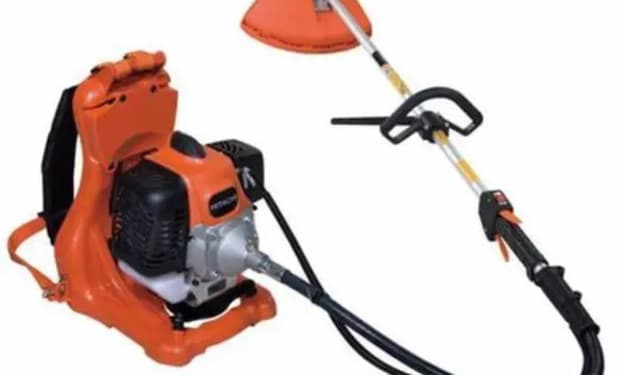
How a Brush Cutter Engine Works: A Simple Explanation
Understanding How a Brush Cutter Engine Works: A Simple Explanation is very important for farmers, gardeners, and landscaping workers in Pakistan. Brush cutters are widely used across villages, farms, roadsides, and housing societies to cut grass, weeds, bushes, and small plants efficiently.
By Abdul Alim6 days ago in Education



Comments