
Key Considerations in Managing Affordable Housing Construction Under LIHTC
Practical Guide to Construction Management Challenges and Best Practices in LIHTC Affordable Housing Projects

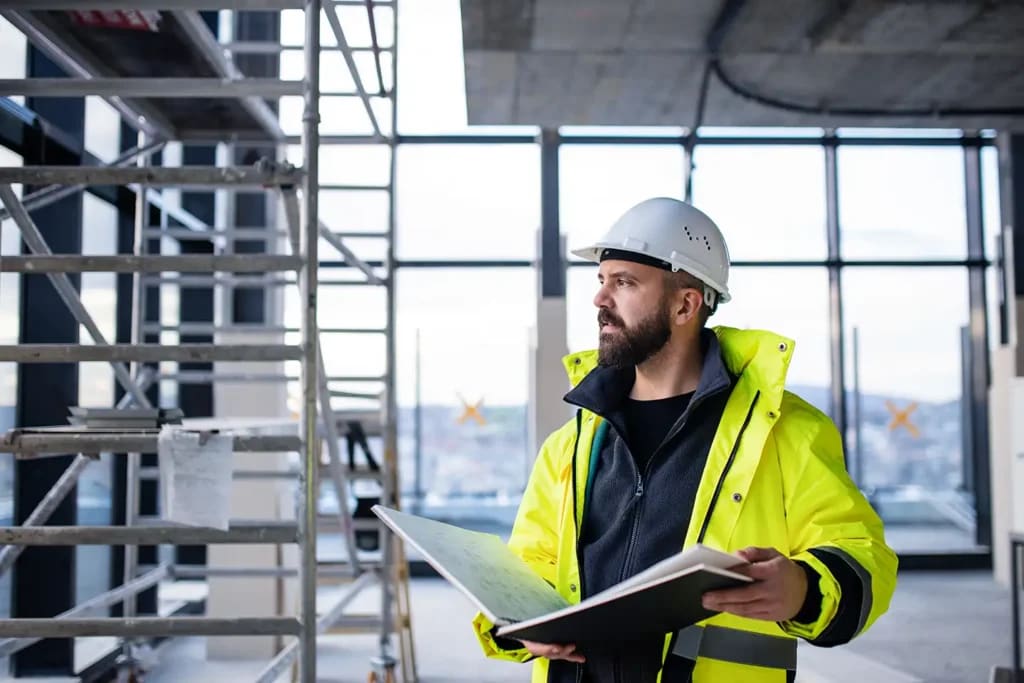
Affordable housing is essential for building stable communities, especially in cities where housing costs are rising faster than incomes. One of the most widely used tools to support affordable housing development in the United States is the Low-Income Housing Tax Credit (LIHTC) program. This federal program encourages private investment in affordable rental housing by offering tax credits to developers.
While LIHTC is a powerful financing tool, managing the construction of these projects comes with its own unique challenges. Proper construction management plays a major role in making sure these projects are delivered on time, within budget, and in full compliance with program requirements.
In this article, we’ll explore the key factors that construction managers must consider when working on LIHTC affordable housing projects.
1. Understanding the LIHTC Program Requirements
Construction managers involved in LIHTC projects must have a basic understanding of how the program works. The tax credits are awarded based on strict rules and timelines. If a project misses deadlines or fails to meet quality or compliance standards, it can risk losing the tax credit funding entirely.
Some key requirements construction managers must consider include:
- Placed-in-Service Deadline: Projects must be completed and ready for occupancy by a specific date.
- Unit Mix and Income Limits: The project must include a certain number of affordable units rented to qualifying low-income tenants.
- Compliance with Design and Accessibility Standards: Units must meet specific guidelines, including fair housing and accessibility regulations.
Understanding these rules helps construction managers avoid costly mistakes and keep the project eligible for tax credits.
2. Coordinating with Developers and Consultants
LIHTC projects usually involve a complex team of stakeholders. This includes developers, investors, housing authorities, legal advisors, and compliance consultants. Construction managers serve as a central point of coordination between the field team and these external groups.
Good communication is critical. Regular meetings, clear reporting, and frequent updates help ensure that everyone stays informed about project progress and any issues that may arise. Construction managers must also understand the needs of the developer and ensure the construction plan aligns with the financing and leasing schedule.
3. Managing Tight Budgets and Schedules
Affordable housing projects often have tight budgets. LIHTC funding covers part of the cost, but developers must also use other financing sources such as loans or grants. That means there’s little room for delays or cost overruns.
Construction managers must:
- Develop a realistic schedule and monitor progress daily.
- Control construction costs by planning carefully and avoiding change orders.
- Ensure timely procurement of materials and labor to avoid delays.
In LIHTC projects, delays don’t just cost money—they can impact the availability of tax credits. Staying on track is essential.
4. Ensuring Quality While Managing Costs
Even with tight budgets, quality cannot be compromised. Affordable housing must meet all building codes, safety standards, and long-term durability goals. Poor construction can lead to high maintenance costs later, or even result in compliance issues.
Construction managers must:
- Work with experienced contractors who understand the unique needs of affordable housing.
- Monitor quality at every stage—from foundation to final inspection.
- Focus on durable, cost-effective materials that offer long-term value.
Energy-efficient systems and low-maintenance designs are also important for keeping long-term operating costs down, which benefits both property owners and residents.
5. Navigating Regulatory Inspections and Documentation
LIHTC projects are subject to frequent inspections from state agencies and other oversight bodies. Construction managers must be prepared for these inspections by maintaining complete documentation and ensuring work is up to code.
This includes:
- Keeping accurate records of construction progress.
- Ensuring accessibility standards (such as ADA compliance) are met.
- Coordinating timely inspections and addressing issues quickly.
A well-organized construction manager can help avoid compliance issues that could delay the project or impact funding.
6. Focusing on Community Impact
Affordable housing is more than just a building—it’s a place where families live, grow, and build their future. Construction managers should keep this in mind throughout the project. Every decision, from layout to materials, impacts the comfort, safety, and dignity of future residents.
Designs should support healthy, livable environments with:
- Safe, walkable areas
- Access to transportation and schools
- Open spaces and amenities
When construction managers treat affordable housing with the same care and attention as market-rate housing, it leads to better outcomes for everyone involved.
About the Creator
Sumedha Biswas
Hi, I am a Creative Thinker, Insatiably Curious, Results-Driven highly energetic and enthusiastic professional with nearly 5+ years of experience in writing content for blogs, websites, and company portals.
Keep reading
More stories from Sumedha Biswas and writers in Education and other communities.
Mastering Construction Project Management: Strategies for Success
Construction project management is a critical skill that ensures projects are completed on time, within budget, and to the desired quality. Whether you are overseeing a residential development, a commercial project, or infrastructure work, effective management can make the difference between success and failure. Here, we explore practical strategies to master construction project management and achieve your goals.
By Sumedha Biswasabout a year ago in Education



Comments
There are no comments for this story
Be the first to respond and start the conversation.