
Keto food list and Benefits
Keto food list for beginners
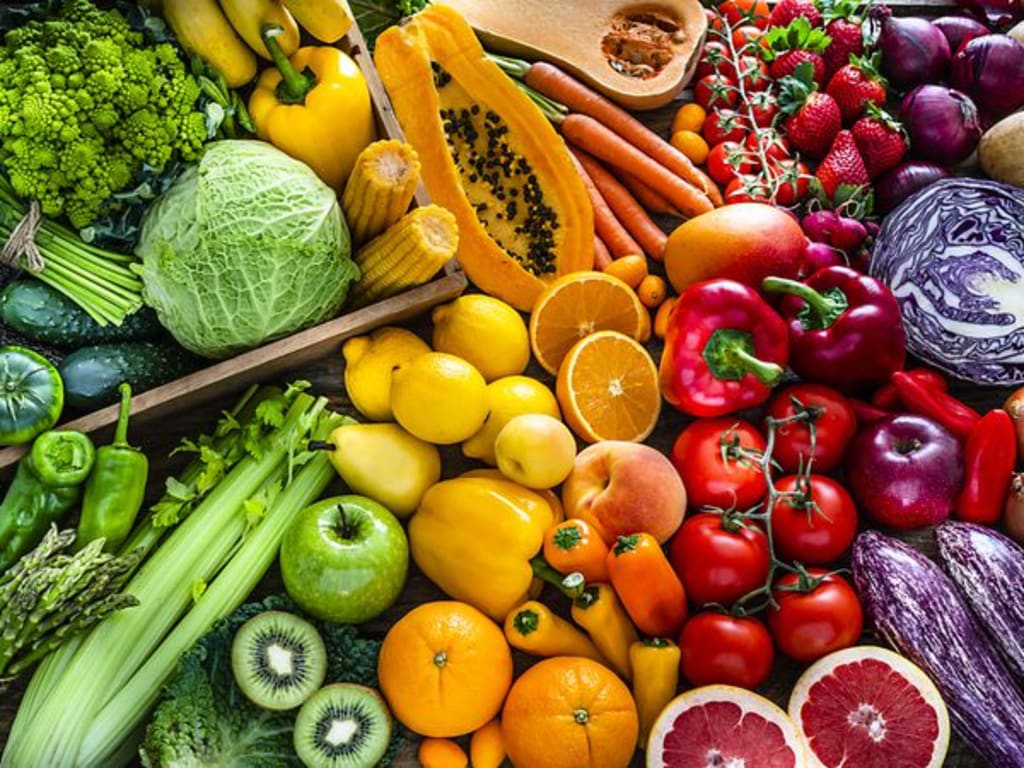
The keto diet can be safe for most people, as long as it is followed properly and under the guidance of a healthcare professional. The diet is generally safe for healthy individuals who don't have any underlying health conditions that could be affected by the high-fat, low-carb nature of the diet.
However, it's important to note that the keto diet may not be safe or appropriate for everyone, especially those with certain medical conditions such as liver or pancreatic disease, gallbladder disease, or a history of disordered eating. It's important to speak with a healthcare provider before starting the keto diet, especially if you have any health concerns or if you are taking medication.
In addition, the keto diet can have some potential side effects, such as the "keto flu" during the initial adjustment period, and it may also lead to nutrient deficiencies if not properly planned and monitored. Therefore, it's important to ensure that you are getting enough of essential nutrients like fiber, vitamins, and minerals.
Overall, the keto diet can be safe and effective for many people, but it's important to consult with a healthcare professional and monitor your health closely while following the diet.
For more information click here
Here is a beginner's keto food list to help get you started:
Protein Sources:
Meat: Beef, pork, chicken, turkey, lamb, etc.
Seafood: Salmon, tuna, cod, shrimp, etc.
Eggs: Whole eggs, including the yolks, are great for keto.
Low-carb Vegetables:
Leafy greens: spinach, kale, lettuce, etc.
Cruciferous vegetables: broccoli, cauliflower, cabbage, etc.
Avocado: a great source of healthy fats and fiber
Tomatoes, cucumbers, peppers, and other non-starchy vegetables in moderation.
Fats and Oils:
Olive oil, coconut oil, avocado oil, butter, and ghee are all great options.
Nuts and seeds: Almonds, macadamia nuts, walnuts, chia seeds, flaxseeds, etc.
Dairy Products:
Cheese, cream cheese, and other high-fat cheeses (but be aware of their carb count)
Heavy cream, sour cream, and full-fat yogurt (make sure to check the carb count)
Snacks:
Olives, pickles, and other low-carb snacks
Beef jerky (without added sugars)
Hard-boiled eggs
Beverages:
Water: Drink plenty of water to stay hydrated.
Coffee and tea: Black coffee, unsweetened tea, and herbal teas are all great options.
Sugar-free drinks: Diet soda, sugar-free sports drinks, and other low-carb beverages.
Remember to keep an eye on the carb counts of the foods you eat, as it's important to stay within your daily carb limit to maintain ketosis.
For more information click here
Here is a sample keto meal plan for one day:
Breakfast:
Scrambled eggs cooked in butter or coconut oil
Bacon or sausage
Avocado or a handful of spinach
Snack:
A handful of almonds or macadamia nuts
String cheese
Lunch:
Grilled chicken or steak
Roasted broccoli or cauliflower
Side salad with olive oil and vinegar dressing
Snack:
Celery sticks with cream cheese
Dinner:
Grilled salmon or shrimp
Steamed asparagus or green beans
Cauliflower rice or mashed cauliflower
Dessert:
Fresh berries with whipped cream or a small serving of sugar-free gelatin
Remember that the key to maintaining ketosis is to keep your daily carb intake low (typically under 50g per day), and focus on consuming healthy fats, protein, and low-carb vegetables. You can adjust the portion sizes to fit your individual calorie needs and preferences. It's also important to drink plenty of water and stay hydrated throughout the day.
For more information click here
Nutrient deficiency. "If you're not eating a wide variety of vegetables, fruits, and grains, you may be at risk for deficiencies in micronutrients, including selenium, magnesium, phosphorus, and vitamins B and C," McManus says.
About the Creator
Taher Saifuddin: Transforming Toronto’s Classrooms with Inclusive and Future-Focused Education
In the heart of Canada’s most diverse city, Toronto educator Taher Saifuddin is quietly leading a transformation in the way learning is delivered, measured, and experienced. With over two decades of experience, Taher is recognized for his dynamic role in teaching, academic leadership, and digital innovation across Toronto’s private and independent schools.
By Dena Falken Esq3 days ago in Education
Strategic Legal Excellence: How Top Lawyers Master and Win the Most Complex Cases
Winning a complex case is rarely about luck. It’s the result of intention, skill, preparation, and a strategic mindset that guides every decision from the earliest investigation to the final courtroom argument. Top lawyers do not simply react to what unfolds—they anticipate, plan, and execute with precision. Their approach to legal mastery provides a blueprint that any attorney can use to navigate complicated cases successfully. This article explores the strategic methods elite attorneys use to turn even the toughest legal challenges into decisive victories.
By Mark Obenstine7 days ago in Education


Comments
There are no comments for this story
Be the first to respond and start the conversation.