
Katherine and Nerissa Bowes-Lyon, The Hidden Cousins Of Queen Elizabeth II
The first cousins of Queen Elizabeth Katherine and Nerissa were hidden from the eye of the public for decades.

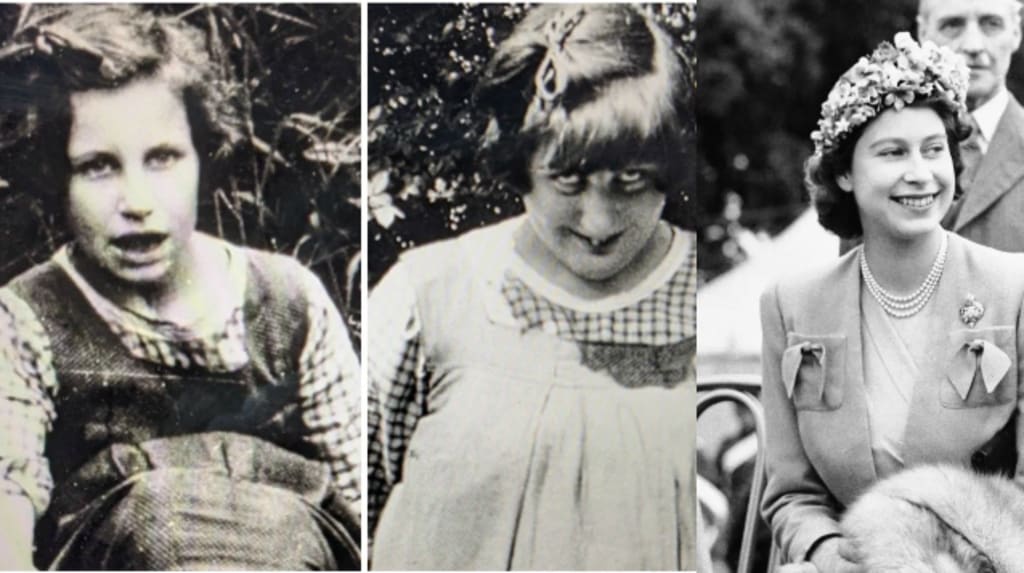
Katherine Juliet Bowes-Lyon and Nerissa Jane Irene Bowes-Lyon were the daughters of John Herbert Bowes-Lyon and his wife Fenella (née Hepburn-Stuart-Forbes-Trefusis).
The two daughters were first cousins of Queen Elizabeth II and Princess Margaret, sharing one pair of grandparents, Claude Bowes-Lyon.
Daughters of John Herbert Bowes-Lyon and Fenella Hepburn-Stuart-Forbes-Trefusis, Nerissa Bowes-Lyon was born on February 18, 1919, and Katherine Bowes-Lyon was born on July 4, 1926.

Their father was a brother of Lady Elizabeth Bowes-Lyon, the future mother of Queen Elizabeth II, and the second son of Claude Bowes-Lyon.
Up until 1941, Nerissa and Katherine resided in the Scottish home of the Bowes-Lyon family.
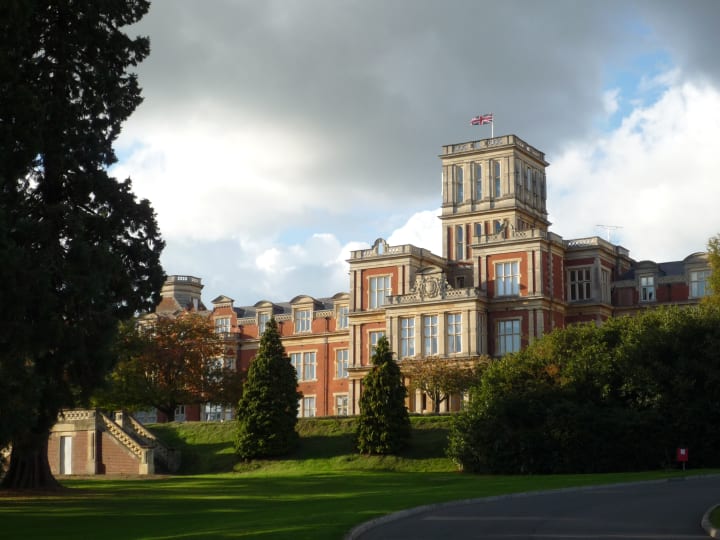
Their mother Fenella Bowes-Lyon made the decision to place children in full-time care in the English town of Redhill in the county of Surrey, according to a 1987 article from the Canadian publication Maclean's (their father John had died in 1930). The Royal Earlswood Asylum for Mental Defectives was the name of the facility at the time.
In 1987, it was discovered that Nerissa and Katherine were alive and had been admitted to Earlswood Hospital for mentally handicapped people in 1941, despite the 1963 edition of Burke's Peerage stating their deaths as occurring in 1940 and 1961, respectively. Burke Peerage is considered an authority on British royal genealogy
Nerissa was 22 when the sisters were admitted to the Royal Earlswood, while Katherine, who shares a birthday with her cousin Queen Elizabeth, was 15 at the time. According to the documentary by the Daily Mail, Nerissa's medical records there said that she made "unintelligible noises all the time" and "can pronounce a few babyish syllables."
Both were considered "imbeciles" in the language of the time because neither could speak.
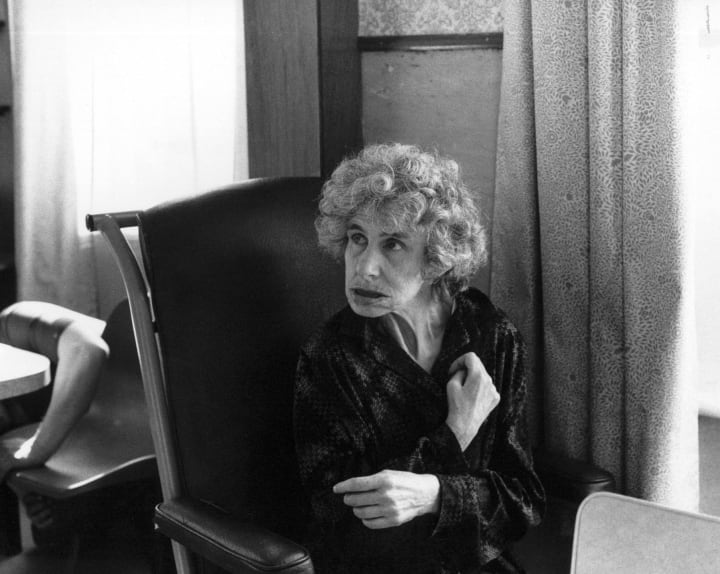
While only medical workers attended Nerissa's funeral when she passed away in 1986 at age 66, Katherine passed away at age 87 in 2014. Apart for the £125 per year that the family paid to Earlswood, the sisters received no money from the family. In 1997, Earlswood ended its operation.
The Queen's Hidden Cousins
The Queen's Hidden Cousins, a documentary about the sisters, aired on Channel 4 in November 2011. According to the documentary's synopsis, "While their sisters Elizabeth and Anne had lives of affluence and inclusion in the upper echelons of the nobility, Katherine and Nerissa were all but forgotten, written out of family history."
The video sought to contextualize "the shifting attitudes to learning disability in British society over the twentieth century" by portraying the stories of the individuals and using the testimonies of those who had lived with them in the asylum.
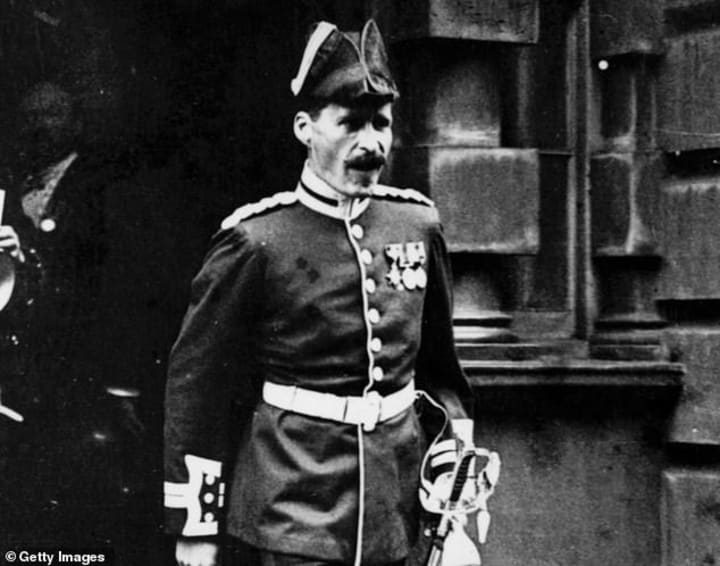
The Daily Express said that the Queen was reportedly "hugely distressed" by the film before the premiere.
The sisters' niece, Lady Elizabeth Anson, said that their mother Fenella didn't deliberately announce their deaths until it was revealed that they had lived lengthy lives at the Royal Earlswood (when they were in fact hospitalized). Fenella, according to Lady Elizabeth, was "a very vague lady" who hadn't completed the paperwork for Burke's Peerage "correctly or totally."
The daughter of one of the other Bowes-Lyon cousins and party planner to the queen, Lady Elizabeth Shakerley, responded in-depth, refuting both the program's claims of familial neglect and its tactics in "this supposedly factual documentary."
She referred to it as "cruel" and "intrusive," adding that "Katherine and Nerissa were very much a member of the family as sisters of her mother, the late Princess Anne of Denmark," and that the topic was far from being taboo.
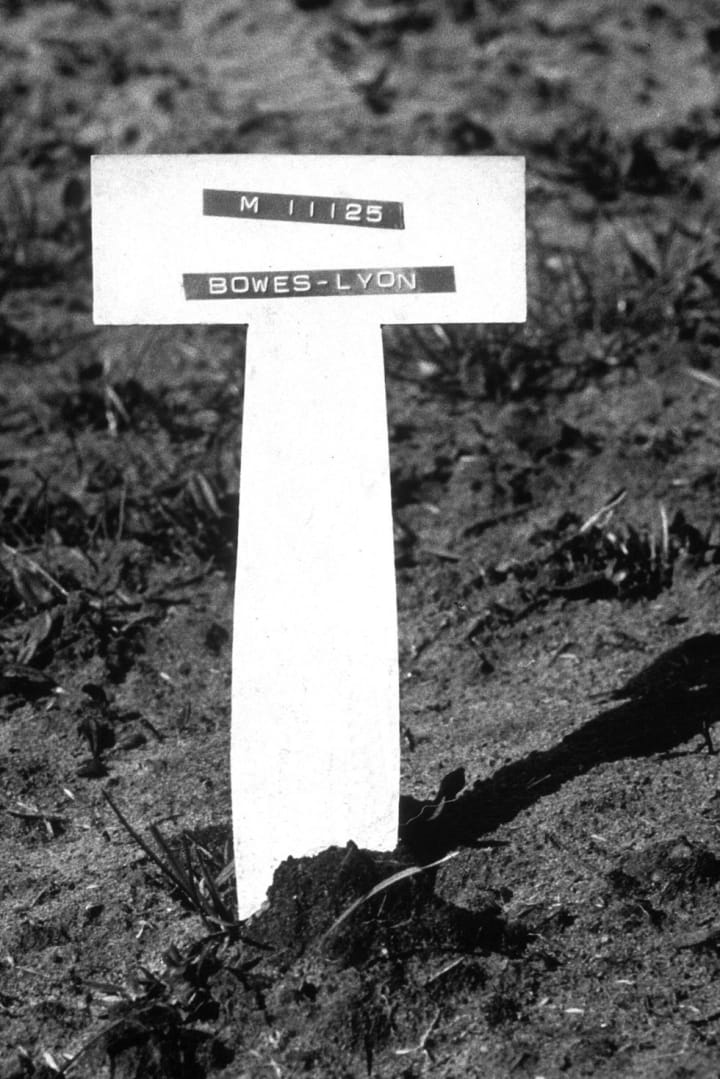
The documentary was called "sad but revealing" by The Daily Telegraph. John Crace, a critic for The Guardian, stated after the program's airing that "everything we learned was essentially common knowledge." Nerissa's passing in 1986, according to Crace, was what first piqued the tabloids' interest in the story the following year.
The one aspect of the story that was actually still a mystery, he wrote, was the lack of any attempt to determine why the sisters had been placed in care in 1941.
About the Creator
Rare Stories
Our goal is to give you stories that will have you hooked.
This is an extension of the Quora space: Rare Stories
X(formerly Twitter): Scarce Stories
Writers:
....xoxo
Keep reading
More stories from Rare Stories and writers in Education and other communities.
The Iconic Photo of The Boy By The Crematory and The Attempts To Identify Him
An iconic photograph known as The Boy Standing by the Crematory was taken at Nagasaki, Japan, in September 1945, not long after the city had been bombed with an atomic bomb on August 9.
By Rare Stories3 years ago in Education
The Importance of Strong Leadership in IT and Cybersecurity Teams
In today’s rapidly evolving digital landscape, IT and cybersecurity are no longer support functions—they are central to business success and resilience. With growing threats, complex infrastructures, and constant technological change, these departments face intense pressure to perform at the highest levels. At the heart of their performance is a critical factor that often determines whether a team succeeds or struggles: strong leadership.
By Keith Brautigam6 days ago in Education



Comments
There are no comments for this story
Be the first to respond and start the conversation.