
Is Mild Steel Practical for Combat Swords?
Is Mild Steel a Match for Real Katana Steel? A Deep Dive into Sword Performance, Materials, and Martial Readiness

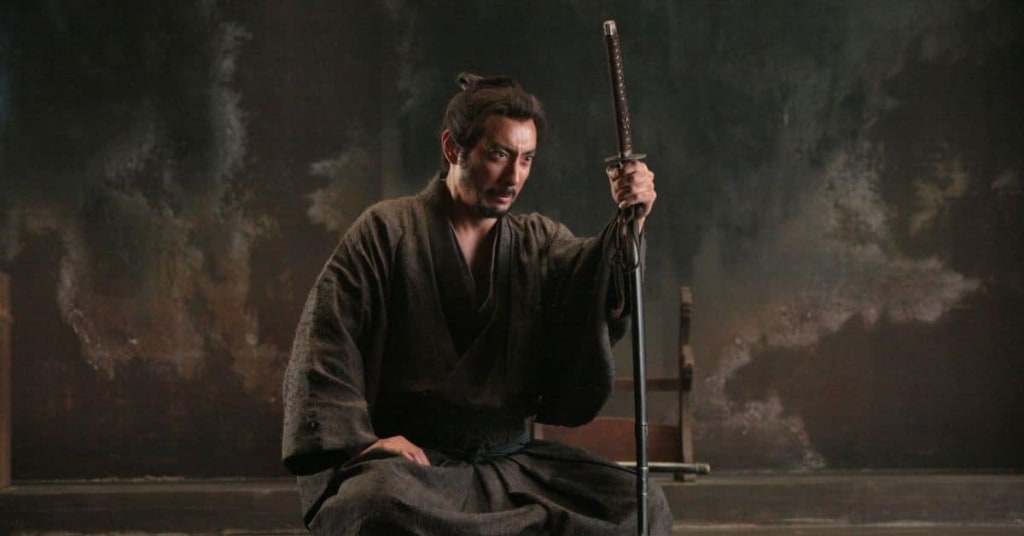
Sword making has excited warriors, collectors, and craftsmen for centuries. The most celebrated blades, especially Japanese swords, are works of metallurgical art, merging deadly function and breathtaking beauty. Forged through centuries of perfected methods, these weapons are more than tools of battle; they are cultural treasures demonstrating the height of traditional skill.
Yet, when modern needs meet these ancient ways, questions arise. Today’s martial artists and collectors often notice mild steel offered as a budget-friendly substitute for traditional high-carbon steel. This prompts an important question: can mild steel hold up under the demands of a combat sword, or does its low price mean it will fail when it counts?
To answer, we must first grasp the basic metal science behind sword making. Whether you are a martial artist hunting a safe training blade, a collector adding to a carefully curated set, or a curious mind drawn to the physics of these tools, the choice of steel is critical. It influences how well the blade holds an edge, how it survives in battle, and ultimately how it performs over time.
What Is Mild Steel?
Mild steel, or low-carbon steel, has a carbon content ranging from about 0.05% to 0.25% by weight. This low level of carbon gives the steel qualities that the construction and manufacturing sectors prize. Because of its molecular structure, mild steel is extremely malleable, enabling blacksmiths to bend and stretch the metal with little effort.
The main reasons mild steel is a go-to choice for sword making are its practicality and low cost. First and foremost, mild steel is cheaper than the high-carbon or alloy steels typically used for blades, making it a wise choice for those on a budget. Its ease of shaping means that even beginner smiths can produce a functional sword without deep knowledge of complicated heat-treatment processes. Plus, mild steel is easy to find at most metal suppliers, so there’s no need to chase down rare alloys.
Yet, all these pluses come with serious downsides that hurt how well the blade performs in battle. Because the steel is very low in carbon, it can’t get hard enough to keep a sharp edge when pushed hard. Mild steel swords sit at only 20 to 30 HRC on the Rockwell scale—tiny compared to the 50 to 60 HRC that really good cutting tools need. Because the edge wears away so fast, the warrior must stop to sharpen it very often. The soft steel bends when it hits instead of slicing clean, and because it doesn’t have enough toughness, chips and permanent bends can happen with every blow.
What is Katana Steel?
Real katana steel is a group of carbon steels that artisans choose with care, each grade delivering must-have traits. The base steel has 0.6% to 1.5% carbon. This higher carbon level lets the smith use heat treatment methods to produce the razor edge and toughness that legends say a katana has.
When faced with real combat, the benefits of proper katana steel show up right away. The cutter’s edge usually hits a hardness of 58-62 HRC. This means it can stay paper-thin and sharp even after many slices. The steel's refined grain structure gives it the toughness to soak up blows without cracking. Because the edge stays sharp for hundreds of cuts, the sword can deliver powerful blows without the re-profiling that softer steels need. The smart mix of hardness and flexibility keeps the edge from chipping and the blade from snapping.
Master swordsmiths still use the classic method of hardening the katana. They turn the edge glass-hard (hagane) while the spine stays softer and bendy (shingane). This age-old secret gives the blade the ability to slice with laser-like accuracy and to ride out fights without breaking.
Yet, true katana steel has a couple of drawbacks, mostly because it’s made for one job and one job only. The best sword steel costs a small fortune, sometimes ten times more than mild steel that’s easy to get. Heat treatment is no walk in the park: it demands deep metallurgical know-how and laser-precise temps. Backup ovens, extra die blocks, and long hours at the forge all crank up the costs and the hassles.
Other Sword Steels
Damascus steel is one of the most storied materials in the world of blades. First made in the Middle East using wootz steel imported from India, it developed the cloudy, flowing patterns we still admire today. The original steel was legendary for both beauty and cutting ability. Today's Damascus is created by stacking, welding, and folding different types of steel. The beautiful patterns it produces can be mesmerizing. However, it does not always outcut or outlast the best high-carbon monosteel. That said, talented smiths can refine the layering so it improves overall edge strength and toughness, turning art into a performance tool.
Tamahagane steel is the heart of the Japanese sword tradition. Made in a tatara furnace, the bloom contains a gradient of carbon. Skilled swordsmiths sort the bloom by carbon content, choosing soft, medium, or high-carbon pieces for the edge, body, and back of the blade. This careful selection gives each katana its legendary balance and toughness. Authentic tamahagane production demands centuries-old techniques, special tools, and weeks of labor, which explains why the steel is so rare and costly in modern shops. While some custom makers still use it, most swords today rely on carbon and alloy steels that offer excellent performance at a fraction of the cost.
Mild Steel vs. Other Steels in Combat Swords

Edge Retention and Hardness
When comparing mild steel to better sword steels, edge performance is the first and most telling difference. With its low carbon content, mild steel can’t form the hard carbide structures that hold a cutting edge. In practice, that means a mild steel blade can lose its edge after fewer than ten strikes on bamboo or similar targets. Instead of sliding cleanly through, the blade warps, ruining the clean shoulder and tip.
Properly heat-treated sword steels, on the other hand, can stay sharp through hundreds of those same strikes. The higher carbon content lets carbides form in a tight, interlocking pattern that resists wear and keeps the cutting edge intact. A well-made katana can sever multiple bamboo poles in a single series of cuts while still being sharply usable. This huge difference in performance makes mild steel a poor choice for any serious martial use.
Flexibility and Breakage
A durable combat sword needs to balance hardness and the right kind of flexibility. Mild steel is certainly flexible, but it lacks the controlled spring action that helps a blade roll back after hard cuts. Instead, it tends to take a permanent bend that can’t be worked straight again. That bent profile ruins the blade’s geometry and can bring the whole sword to a sudden failure.
In comparison, higher-grade sword steels are treated to achieve a springy core that bends under stress and straightens back without losing its edge. That resilience keeps the sword safe and ready for the next strike, while mild steel’s tendency to hold a bend can lead straight to a break.
Authentic katana steel gets its strength from a process called differential hardening, then tempered to perfect flex and edge endurance. When pressure is applied, the blade can bend noticeably; as soon as the load eases, it straightens back to its original line. This design lets the sword soak up shock without shattering, a real advantage over brittle metals, and still keeps the fine edge line that cuts through targets cleanly.
Weight and Balance
Mild steel has a density almost the same as carbon steel, so a sword made from it feels only a touch heavier than one made with proper katana steel. Still, mild steel can’t handle the right heat treatments, which limits the blade designs. To stay solid and safe, mild steel weapons usually end up thicker than the tradition calls for, which can mess up the balance that katana is known for.
When real katana steel is used, makers can fine-tune the blade’s shape down to tiny details. This includes the graceful arc, the sharp ridge down the middle, and the slight changes in thickness from the spine to the edge. Those adjustments give the sword its nimble feel. A hard, thin edge sits on a pliable spine, letting the old workmanship shine in both cutting ability and comfortable grip.
Maintenance and Durability
Mild steel swords need a lot of care because they don’t hold a sharp edge and rust easily. The metal is too soft, so the blade goes blunt after a few uses and needs to be sharpened again. The low alloy also means the steel rusts quickly. To keep it in good shape, you have to oil it after every use and store it in a dry place, away from moisture.
On the other hand, quality katana steel can last for many lifetimes if you look after it. The blade’s hard, thin edge resists wear and stays sharp for a long time. Modern carbon steels also keep their shape well and offer good resistance to rust, especially when protected with a light oil layer. If you wipe moisture off the blade and put it away dry, you can hand the sword down to the next generation ready for action.
About the Creator
Haroon Rashid
Haroon Rashid is a content writer that loves to write in-depth and high quality articles on Tech, News, Gaming, Sports, Mobiles and Startups. He has a experience of 2 years while he was contributed with Sumorb, News Break and Tech Bullion.
Keep reading
More stories from Haroon Rashid and writers in Education and other communities.
Windows 11 KB5058411 Update Released with Powerful AI Features & Security Fixes
In a significant move to enhance user experience and bolster system security, Microsoft has rolled out the Windows 11 KB5058411 update for version 24H2. This update, part of the May 2025 Patch Tuesday release, introduces a suite of AI-powered features alongside critical security patches, marking a pivotal step in the evolution of the Windows operating system.
By Haroon Rashid10 months ago in Education




Comments
There are no comments for this story
Be the first to respond and start the conversation.