
IS CRYPTOCURRENCY TRADING PROFITABLE OR NOT????
the hottest trends in the financial world
Cryptocurrency trading is one of the hottest trends in the financial world, but the question of whether it’s truly profitable remains a point of debate. Some traders have made significant gains, while others have experienced huge losses. Let's dive into the key factors that influence the profitability of cryptocurrency trading, exploring both the opportunities and challenges.
1. Volatility: High Risk, High Reward

Cryptocurrencies are known for their extreme volatility. The price of coins like Bitcoin and Ethereum can fluctuate dramatically within hours or even minutes. This creates opportunities for traders to make substantial profits by buying low and selling high. However, volatility also increases the risk of heavy losses, as the market can turn against traders just as quickly.
2. Market Timing is Critical
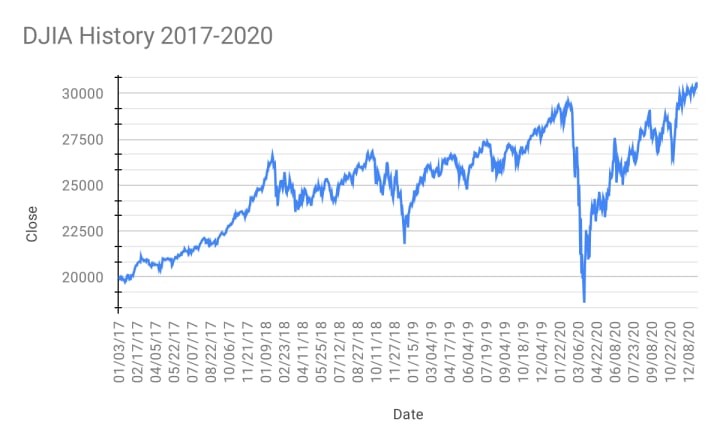
Success in cryptocurrency trading often depends on timing. Traders who can accurately predict market movements and time their trades to buy during dips and sell during spikes stand to make impressive gains. However, accurately predicting these movements requires deep market knowledge, technical analysis, and a little bit of luck.
3. Diverse Trading Strategies
Different trading strategies can lead to profitability depending on a trader’s risk tolerance and skill level. Strategies like day trading, swing trading, or holding for the long term (often referred to as "HODLing") each have their pros and cons. Day traders aim to profit from short-term price fluctuations, while long-term investors may benefit from gradual market appreciation.
4. The Potential for Leverage

Leverage trading allows traders to borrow money to increase their buying power. With leverage, small price movements can result in larger profits. For example, a trader using 10x leverage can multiply their profits tenfold. However, this also means that losses are amplified, which can lead to losing more than the initial investment.
5. Market Manipulation Concerns

The cryptocurrency market is still relatively unregulated compared to traditional financial markets, which makes it susceptible to manipulation. "Pump and dump" schemes, where the price of a cryptocurrency is artificially inflated, can trap traders and lead to significant losses. Understanding the risks of market manipulation is crucial for any crypto trader.
6. The Role of Exchanges

Choosing the right cryptocurrency exchange can greatly impact profitability. Some exchanges offer lower fees, better liquidity, or more advanced trading tools, which can help traders optimize their profits. However, exchanges can also be hacked or face regulatory issues, making it essential to choose a reputable platform with strong security measures.
7. Security Risks

While cryptocurrency trading can be profitable, it comes with inherent security risks. Traders need to protect their assets from hacking and theft. Storing large sums of cryptocurrency on exchanges is risky, and using hardware wallets or decentralized exchanges can help mitigate these dangers. Poor security practices can quickly turn profitable trades into losses.
8. Emotional Trading: FOMO and Panic Selling

One of the biggest obstacles to profitability in cryptocurrency trading is emotional decision-making. Traders often fall victim to FOMO (fear of missing out) during market rallies, buying assets at inflated prices. On the flip side, panic selling during a market crash can lock in unnecessary losses. Staying calm and rational is essential for long-term success.
9. Tax Implications

Many traders overlook the tax implications of cryptocurrency trading. In most countries, crypto gains are taxed as capital gains, meaning that profits must be reported to the government. Ignoring these obligations can lead to legal troubles and unexpected financial penalties, reducing overall profitability.
10. Long-Term vs. Short-Term Profitability

Ultimately, the profitability of cryptocurrency trading depends on the time horizon. Short-term traders can make quick profits through high-risk, high-reward strategies, but they also face the risk of losing money just as fast. Long-term investors, who patiently hold on to their assets, can benefit from the overall growth of the market, as seen with Bitcoin’s rise over the past decade.
Conclusion
Cryptocurrency trading can be highly profitable, but it’s not without its challenges.
Volatility, security risks, market manipulation, and emotional trading can all impact your bottom line. Success in the crypto market depends on timing, strategy, and the ability to stay disciplined under pressure. For those who can manage these risks, the rewards can be substantial, but for others, the risks may outweigh the potential gains.
About the Creator
ANEESHA RIZWAN
Iam writting article
Keep reading
More stories from ANEESHA RIZWAN and writers in Education and other communities.
TOP 5 TECH TRENDS THAT WILL SHAPE 2025
As we approach 2025, the pace of technological innovation continues to accelerate, promising to reshape industries, improve daily life, and redefine the way we interact with the world. From advancements in artificial intelligence to breakthroughs in biotechnology, several key trends are poised to have a major impact on the future. Here’s a look at the top five tech trends that will shape 2025 and beyond.
By ANEESHA RIZWANabout a year ago in Education
The Role of Intuition in Expert Programming
In discussions of software engineering, expertise is often framed in terms of explicit knowledge: algorithms, data structures, distributed systems theory, or design patterns. While these are necessary foundations, they do not fully explain high-level performance. Expert programmers routinely make correct architectural, debugging, and design decisions with minimal conscious deliberation. This phenomenon is best understood as intuition—rapid, experience-driven pattern recognition operating beneath deliberate analytical reasoning.
By Gustavo Woltmann6 days ago in Education
One Game, Many Nations: The Power of Soccer in a Shared World
Soccer is more than a sport. It is a global language. In cities, towns, and villages around the world, people gather to play and watch the same game. They may speak different languages. They may follow different traditions. Yet they understand the rules of soccer. They share the same joy when a goal is scored. This is how soccer connects cultures across the globe.
By Paul Wiedmaier5 days ago in Education
Flower Bloom 369
FLOWER Bloom 2/25/26 Wednesday By Mariann Carroll Karen had been with Tony for 7 years. Tony started acting strangely after her surgery. He would mow the lawn in the rain and be on his cellphone. He started pushing Karen away. Tony came clean about seeing someone. Karen moved out two months later. Karen moved in with a friend. She felt betrayed.
By Mariann Carroll4 days ago in Fiction


Comments
There are no comments for this story
Be the first to respond and start the conversation.