
Web designing is the process of creating and designing websites. It involves various disciplines and skills such as layout design, graphic design, typography, color theory, user experience (UX) design, and coding. Web designers use these skills to develop visually appealing and user-friendly websites that effectively convey information and engage the audience.
The goal of web designing is to create websites that are not only visually attractive but also functional and intuitive to navigate. A well-designed website enhances the user experience by providing easy access to information and incorporating elements that guide users through the site.
Web designers typically start the process by understanding the client's requirements and objectives. They then plan the website's structure and layout, considering factors such as user flow, content organization, and visual hierarchy. Wireframes or mockups may be created to give clients an idea of how the website will look and function.
Once the design concept is approved, web designers move on to the visual design phase. They select colors, typography, images, and other visual elements that align with the client's brand and create a cohesive look and feel. Graphic editing software like Adobe Photoshop or Sketch is commonly used during this stage.
After the visual design is finalized, web designers begin the development process. They utilize programming languages such as HTML, CSS, and JavaScript to bring the design to life and make it functional on the web. Responsive web design techniques are often employed to ensure the website looks and works well on various devices, including desktops, tablets, and smartphones.
Web designers also focus on optimizing the website's performance, loading speed, and search engine visibility. They may incorporate search engine optimization (SEO) techniques and ensure the website follows web standards and accessibility guidelines.
In summary, web designing combines creativity, technical skills, and an understanding of user behavior to create visually appealing, user-friendly, and functional websites. It plays a crucial role in establishing a strong online presence and delivering a positive user experience.
ADVANTAGES OF WEB DESIGNING :
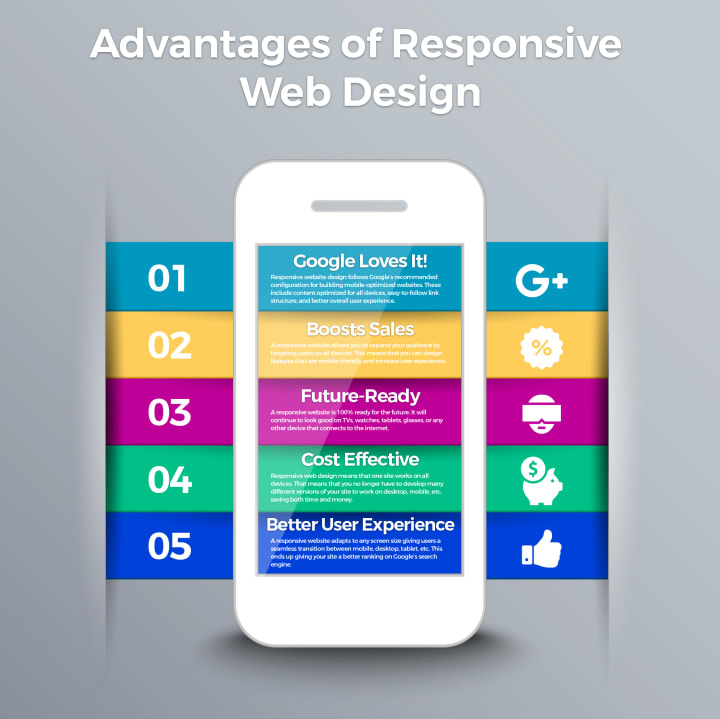
Web designing offers several advantages that contribute to the success of a website and its online presence. Here are some key advantages of web designing:
Enhanced User Experience: A well-designed website provides a positive user experience by making it easy for visitors to navigate, find information, and accomplish their goals. Intuitive layouts, clear navigation menus, and user-friendly interfaces contribute to a seamless browsing experience.
Improved Brand Identity: Web design plays a crucial role in establishing and enhancing a brand's identity online. By using consistent colors, typography, and visual elements that align with the brand, web designers create a cohesive and memorable brand image, fostering recognition and trust among users.
Increased Conversion Rates: A visually appealing and user-friendly website has the potential to convert visitors into customers or leads. Effective web design techniques, such as strategic placement of call-to-action buttons, optimized forms, and compelling visuals, can help drive conversions and achieve business objectives.
Search Engine Optimization (SEO) Benefits: Web design elements, such as proper HTML coding, optimized images, and structured content, contribute to improved search engine rankings. Web designers who understand SEO principles can ensure that a website follows best practices, resulting in better visibility and organic traffic from search engines.
Responsive and Mobile-Friendly Design: With the increasing use of smartphones and tablets, it's essential for websites to be responsive and mobile-friendly. Web designers employ techniques like responsive web design to ensure that websites adapt and display properly across different screen sizes and devices. This improves user experience and accessibility, as well as supports SEO efforts.
Competitive Advantage: A professionally designed website sets a business apart from competitors. It reflects a commitment to quality, professionalism, and attention to detail. A visually appealing and well-structured website can attract more visitors, engage them effectively, and create a positive impression, giving the business a competitive edge.
Scalability and Flexibility: Web designing allows for scalability and flexibility in website development. Design frameworks and content management systems enable the addition of new features, content updates, and expansion of the website as the business grows and evolves.
Integration with Marketing Strategies: Web design can be integrated with various digital marketing strategies to promote a business effectively. Elements like landing pages, email subscription forms, social media integration, and engaging visuals can support marketing efforts and campaigns.
Overall, web designing offers numerous advantages that contribute to the success of a website, including improved user experience, enhanced brand identity, increased conversions, better search engine visibility, responsiveness, competitive advantage, scalability, and integration with marketing strategies.
About the Creator
Keep reading
More stories from warda ali khan and writers in Education and other communities.
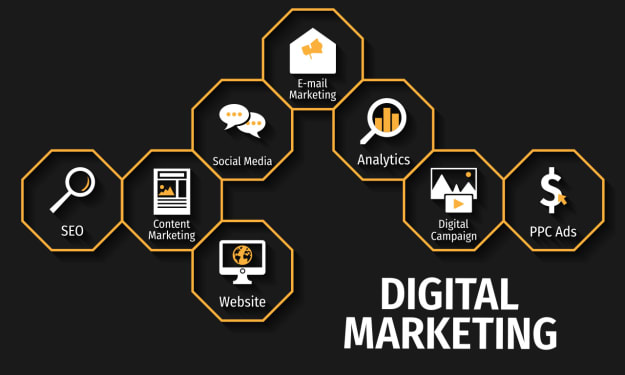
INTRODUCTION OF DIGITAL MARKETING
Digital marketing is a dynamic and ever-evolving field that encompasses a broad range of strategies and techniques used to promote products, services, and brands through digital channels. In today's interconnected world, where the internet has become an integral part of our daily lives, digital marketing has emerged as a crucial tool for businesses to reach and engage with their target audience.
By warda ali khan3 years ago in Education
From Despair to Hope: How Animal Rescue Efforts Rebuild Broken Lives
Animal rescue efforts stand as a powerful response to suffering that often goes unseen. Across towns, cities, and rural areas, animals face neglect, abandonment, injury, and fear every day. Many are left without food, shelter, or medical care. Others are harmed by abuse or natural disasters. Without help, their future is uncertain. Through patience, care, and action, animal rescue efforts transform despair into hope and give animals the chance to heal and live safely.
By Brenda McGrane3 days ago in Education


Comments
There are no comments for this story
Be the first to respond and start the conversation.