
Innovative Architectural Engineering for High-Performance Commercial Buildings
Designing Energy-Efficient, Code-Compliant, and Future-Ready Commercial Spaces

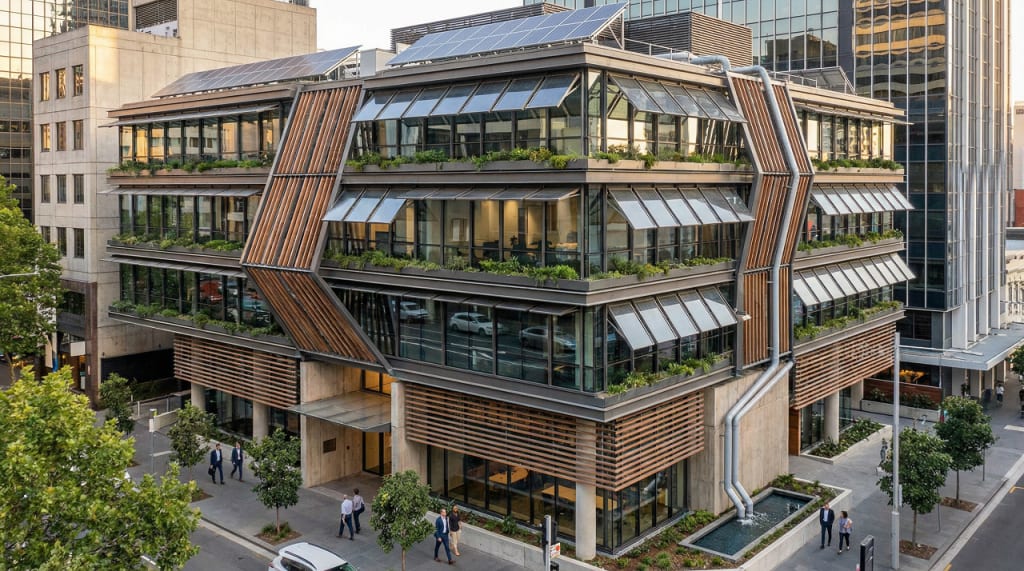
In today’s competitive real estate and construction market, commercial buildings are expected to do more than just look good. They must perform efficiently, adapt to changing business needs, meet strict regulatory standards, and support sustainability goals.
Innovative architectural engineering plays a critical role in delivering high-performance commercial buildings that balance design excellence with functionality, energy efficiency, and long-term value.
This article explores how advanced architectural engineering approaches are transforming commercial building design and why high-performance strategies are essential for modern developments.
What Is High-Performance Architectural Engineering?

High-performance architectural engineering integrates architecture, structural systems, MEP engineering, sustainability, and digital technologies to optimize building performance throughout its lifecycle.
Key performance areas include:
- Energy efficiency and sustainability
- Structural resilience and safety
- Occupant comfort and indoor environmental quality
- Cost efficiency and lifecycle optimization
- Code compliance and constructability
By aligning these factors early in the design phase, architectural engineers ensure commercial buildings perform better, cost less to operate, and remain future-ready.
Core Principles of Innovative Architectural Engineering
1. Integrated Design Approach
Innovative architectural engineering relies on early collaboration between architects, engineers, contractors, and owners. This integrated design process (IDP) reduces design conflicts, improves constructability, and accelerates project timelines.
Benefits:
- Fewer design changes during construction
- Improved coordination across disciplines
- Reduced project risks and cost overruns
2. BIM-Driven Architectural Engineering
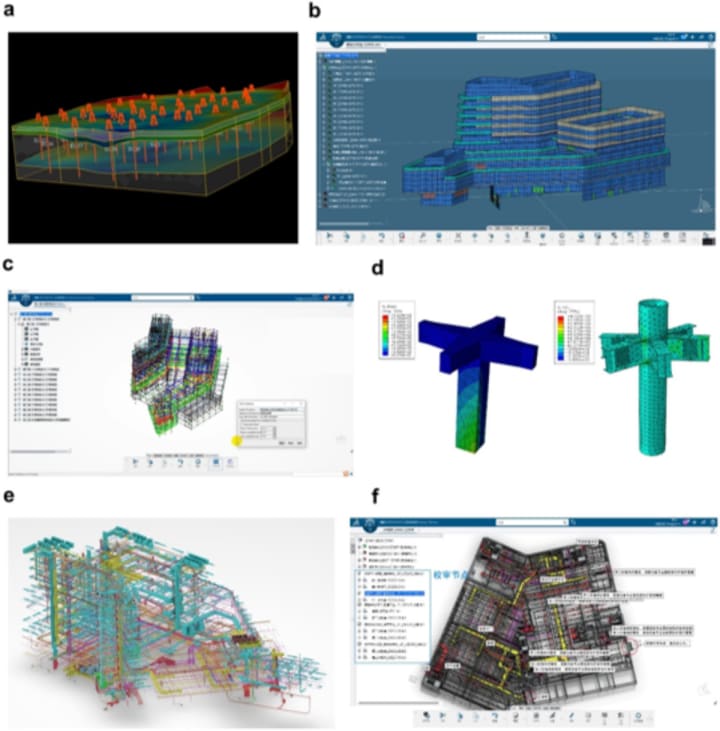
Building Information Modeling (BIM) is the backbone of high-performance commercial building design. Architectural engineers use BIM to create data-rich, intelligent models that support design coordination, clash detection, and performance analysis.
How BIM improves performance:
- Accurate spatial planning and coordination
- Early clash detection between architectural, structural, and MEP systems
- Reliable quantity takeoffs and cost forecasting
- Seamless transition from design to construction
3. Energy-Efficient Building Design
Energy efficiency is a defining characteristic of high-performance commercial buildings. Architectural engineers analyze building orientation, envelope performance, material selection, and system integration to minimize energy consumption.
Key strategies include:
- High-performance façades and glazing systems
- Optimized HVAC system layouts
- Daylighting and natural ventilation design
- Energy modeling and simulation
These strategies help commercial buildings meet energy codes, reduce carbon footprints, and lower operating costs.
4. Sustainable and Resilient Design Solutions
Innovative architectural engineering prioritizes sustainability and resilience to address climate challenges and evolving regulations.
Sustainable design practices include:
- Low-carbon and recycled building materials
- Water-efficient plumbing and rainwater harvesting systems
- Green roofs and sustainable site planning
- LEED, WELL, and energy code compliance support
Resilient design ensures commercial buildings can withstand environmental stresses while maintaining operational continuity.
5. Smart Building Technologies and Digital Twins
Advanced architectural engineering integrates smart building systems and digital twin technology to enhance operational performance.
Digital twins provide a virtual replica of the building, enabling:
- Real-time performance monitoring
- Predictive maintenance planning
- Space utilization optimization
- Improved facility management decisions
These technologies extend building value well beyond construction completion.
Applications in Commercial Building Sectors

Innovative architectural engineering is widely applied across commercial sectors, including:
- Office and corporate buildings
- Retail and mixed-use developments
- Healthcare and life sciences facilities
- Data centers and mission-critical buildings
- Hospitality and educational institutions
Each sector benefits from tailored engineering solutions focused on performance, compliance, and user experience.
The Role of Architectural Engineering Firms
Experienced architectural engineering firms bring together technical expertise, regulatory knowledge, and advanced digital tools to deliver high-performance commercial buildings.
Leading firms focus on:
- Code-compliant and constructible design solutions
- BIM-based coordination and documentation
- Lifecycle cost optimization
- Clear communication with project stakeholders
This approach ensures projects are delivered on time, within budget, and aligned with long-term operational goals.
Why High-Performance Buildings Matter

High-performance commercial buildings deliver measurable benefits:
- Lower energy and maintenance costs
- Improved occupant productivity and comfort
- Higher asset value and market competitiveness
- Reduced environmental impact
- Future-ready infrastructure
For owners and developers, these benefits translate into stronger returns on investment and long-term sustainability.
Conclusion
Innovative architectural engineering is redefining how commercial buildings are designed, built, and operated. By combining integrated design processes, BIM technology, energy-efficient strategies, and smart building solutions, architectural engineers enable the creation of high-performance commercial buildings that meet modern demands.
As commercial projects grow in complexity, partnering with an experienced architectural engineering firm becomes essential for achieving performance-driven, sustainable, and resilient outcomes.
About the Creator
Matt Sharon
A professional content writer. Having years of experience in Technology, health, finance, and construction and real estate field. Writing is my passion and I love to play with words Confidently.
Keep reading
More stories from Matt Sharon and writers in Education and other communities.
5 Common Mistakes in Structural Construction Drawing| (How to Avoid Them)
Structural construction drawings are the backbone of every building project. Whether it’s a residential home, commercial tower, industrial warehouse, or institutional facility, structural drawings translate engineering calculations into clear, buildable instructions for contractors.
By Matt Sharon3 months ago in Education
Gold Market Predictions: Strategic Insights for Short-Term Agility and Long-Term Growth
Investors across the globe continue to monitor gold market predictions as economic uncertainty reshapes financial priorities. Currently, inflation data, central bank policy decisions, and geopolitical tensions influence daily price action. As markets digest new information, gold responds quickly to shifts in interest rate expectations and currency performance. When inflation rises or financial instability increases, investors often seek safety in gold. Consequently, demand tends to strengthen during periods of economic stress.
By George Drazenovic6 days ago in Education
A Knight of the Seven Kingdoms Series Review (Season 1)
As one of the biggest properties in fantasy, A Song of Ice and Fire remains immensely popular with audiences. After reaching far into the past with House of the Dragon, a second spin-off was on the cards. A Knight of the Seven Kingdoms serves up a bite-sized slice of action and drama, but it still claims a spot among the best small-screen titles.
By Robert Cain4 days ago in Geeks




Comments
There are no comments for this story
Be the first to respond and start the conversation.