
Innovative Applications of 3D Cosmetic Animation in Modern Marketing
How 3D Cosmetic Animation Transforms Beauty Marketing with Engaging Visual Storytelling and Scientific Credibility

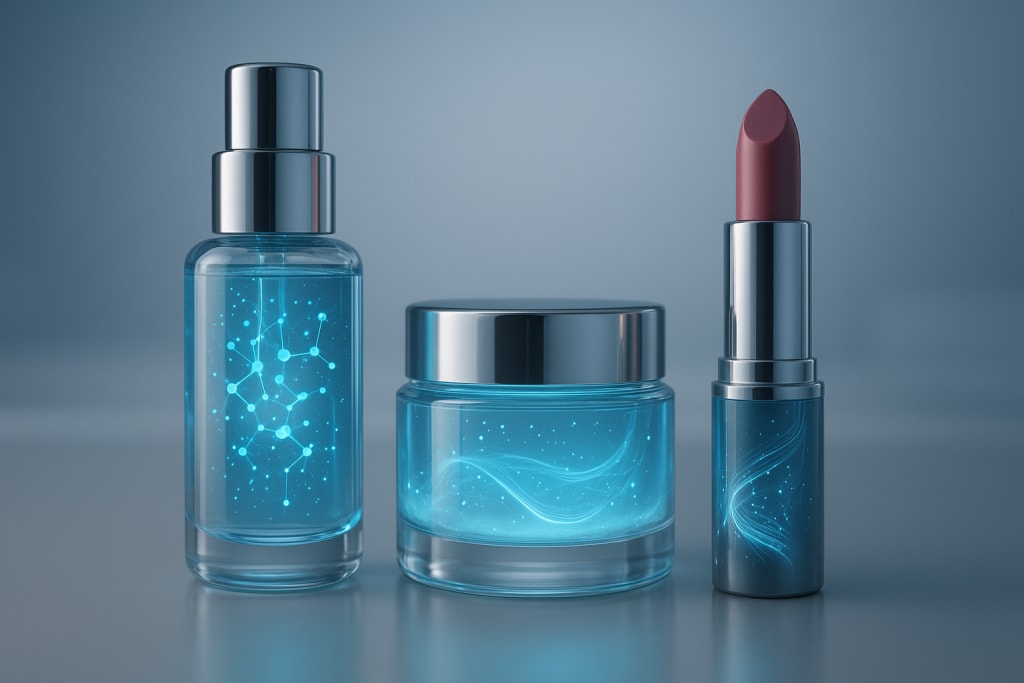
The beauty and skincare industry has always thrived on visuals. From glossy magazine spreads to high-definition commercials, appearance sells. Yet, traditional advertising struggles to capture the level of detail and storytelling today’s consumers demand.
This is where 3D cosmetic animation reshapes the field, allowing brands to present products in ways once considered impossible.
Unlike static images or conventional video, 3D cosmetic animation blends creativity with science. It gives marketers the power to showcase formulas, ingredients, and effects in ways that are both educational and persuasive. By merging realism with imagination, these visuals bridge the gap between consumer curiosity and brand trust.
Why 3D Cosmetic Animation Matters in Marketing
Audiences no longer want vague promises. They want proof. They want to see why a product works. With 3D visualization, brands can take customers on a journey beneath the skin’s surface, highlight how ingredients interact at a microscopic level, or demonstrate subtle changes in texture after application.
This type of storytelling doesn’t just inform—it persuades. It answers questions before they are asked. When customers understand a product’s value visually, they feel more confident purchasing it.
Key Innovative Uses of 3D Cosmetic Animation
1. Ingredient Storytelling
- Consumers are increasingly ingredient-savvy. Animation allows brands to:
- Highlight molecular structures of active ingredients.
- Show absorption pathways through the skin.
- Demonstrate interactions between multiple components.
For example, a skincare serum could be shown penetrating the skin layer by layer, clearly illustrating hydration at a cellular level.
2. Before-and-After Demonstrations
Instead of relying on static comparison shots, 3D cosmetic animation can create dynamic transformations:
- Visualizing smoother skin texture in motion.
- Showing hair volume increase over time.
- Illustrating wrinkle reduction with realistic depth changes.
These animations offer believable progress without the need for real-life models, avoiding issues with lighting, bias, or photography tricks.
3. Virtual Product Exploration
Modern consumers crave interactive experiences. Animation provides the opportunity to:
- Rotate and zoom in on packaging.
- Peel back layers to reveal applicators or unique design elements.
- Explore product texture virtually—like cream consistency or foundation finish.
This type of virtual touch builds emotional connection before purchase.
4. Immersive Marketing Campaigns
3D cosmetic animation is also used to create entire worlds around a brand. Imagine an animated short film where makeup products transform into glowing elements in a futuristic city, or a skincare line presented as a journey through a crystal-clear ecosystem. These imaginative campaigns do more than advertise—they entertain.
5. Medical and Scientific Validation
The beauty industry often faces skepticism. By using scientific-style 3D animations, companies can demonstrate research-backed processes:
- Showing how collagen production is stimulated.
- Visualizing sunscreen protection against UV rays.
- Mapping hydration across skin layers.
These visuals not only build trust but also position the brand as authoritative.
Benefits for Brands Using 3D Cosmetic Animation
The impact of integrating this technology into marketing is significant.
Benefits include:
- Higher engagement: Animated content keeps viewers watching longer.
- Memorable brand identity: Unique visuals are more likely to be remembered.
- Global adaptability: Animation requires no language translation; visuals communicate universally.
- Cost efficiency: Once created, animations can be reused across multiple platforms.
- Credibility boost: Scientific visualization elevates trust.
How 3D Cosmetic Animation Shapes Consumer Behavior
Animation taps into both emotion and logic. It appeals to visual learners, while also satisfying those who want detailed explanations. This dual impact drives conversions.
When a consumer watches an ingredient seep into the skin in a realistic yet artistic animation, the product feels less abstract. The visualization replaces uncertainty with clarity. That clarity often becomes the deciding factor in purchase decisions.
The Future of 3D Animation in Beauty Marketing
As technology advances, we can expect even more interactive approaches:
- Augmented Reality (AR) experiences, where customers virtually test makeup in real-time.
- AI-driven personalization, where 3D animation tailors product demonstrations to individual skin tones or conditions.
- Virtual showrooms, allowing entire cosmetic lines to be explored without ever stepping into a store.
The merging of animation, AR, and AI will create deeply personalized shopping journeys, making cosmetic marketing not only more persuasive but also more enjoyable.
3D cosmetic animation is more than a marketing tool—it’s a bridge between consumer imagination and product reality. By combining storytelling with science, brands can showcase authenticity, spark curiosity, and build loyalty.
For beauty companies looking to stand out in a crowded market, innovative use of 3D animation is no longer optional. It’s becoming the standard for visual communication in an industry where perception is everything.
About the Creator
Richard Bailey
I am currently working on expanding my writing topics and exploring different areas and topics of writing. I have a personal history with a very severe form of treatment-resistant major depressive disorder.
Keep reading
More stories from Richard Bailey and writers in Education and other communities.
Low-Cost 3D Shoe Animation: Complete Step-by-Step Guide for Beginners
Creating a professional-looking 3D shoe animation doesn’t have to drain your budget. With affordable tools, a strategic workflow, and some creativity, you can produce animations that look polished enough for marketing campaigns, product showcases, or design presentations.
By Richard Bailey6 months ago in Education
Beginner Investing Blueprint: A Simple Path Toward Wealth and Financial Freedom
Investing is one of the most powerful ways to build wealth and reach financial freedom. Yet many people delay investing because it feels complex or risky. The truth is that investing does not need to be complicated. A clear beginner investing blueprint can help anyone start building a strong financial future.
By Millicent Prince7 days ago in Education
A Transparent Look at Vocal Challenges and Top Stories
Almost three years ago, we shared a resource article that served as a place for people to suggest new challenge prompts. We thought it would be a good idea to refresh that thread, and take the opportunity to answer a few common questions about top stories, how challenges are judged and how submissions are reviewed.
By Vocal Curation Team4 days ago in Resources




Comments
There are no comments for this story
Be the first to respond and start the conversation.