

The Yoruba people of West Africa have a rich and varied mythology. Their gods and goddesses cover a wide range of topics, from love and fertility to war and death. Here are some of the most important Yoruba deities.
The most important god in the Yoruba pantheon is Olorun, who is the creator god. He is often depicted as a sun god responsible for everything that happens in the world. Other major gods include Obatala, the god of fertility; Oshun, the goddess of love and beauty; and Shango, the god of thunder and lightning.
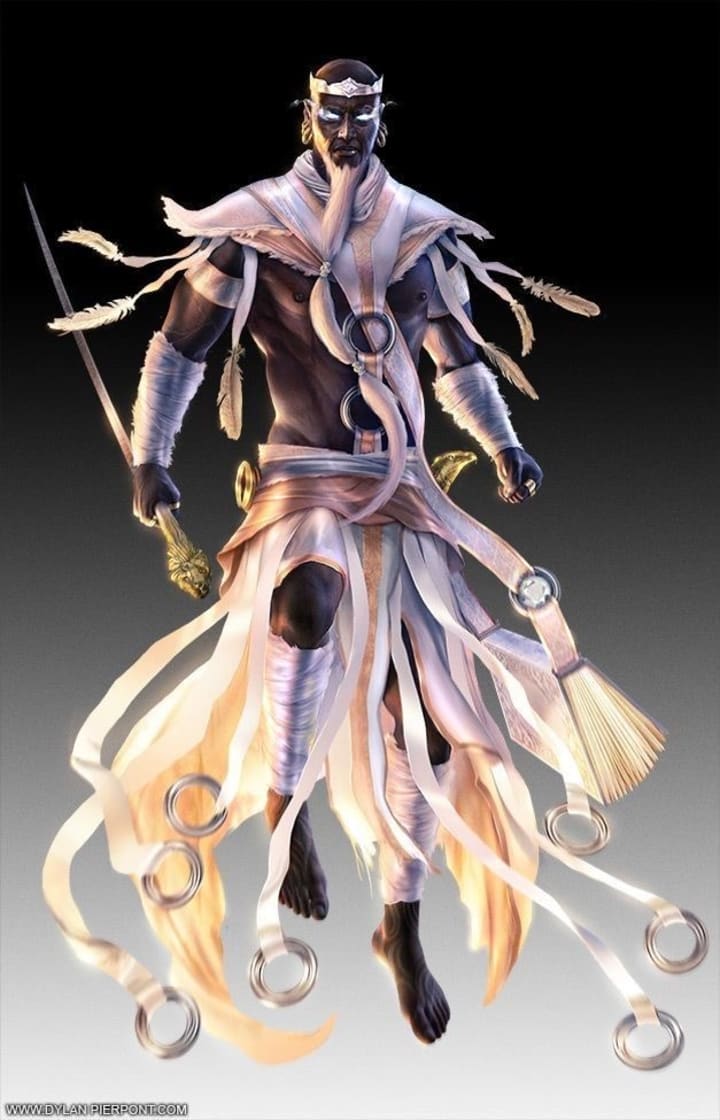
The Orisa
In Yoruba mythology, the Orisa are deities who rule over various aspects of the natural and spiritual world. Each god has their own unique personality and domain, and they work together to maintain balance in the world. The Orisa are often depicted as human-like beings with superhuman strength and abilities. They are also said to be able to transform into animals or other forms.
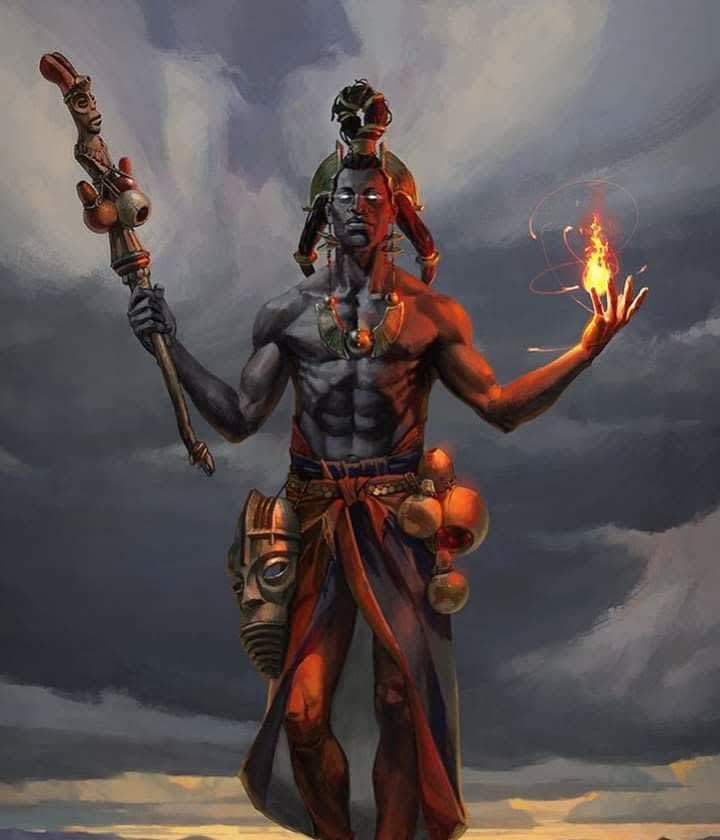
Obatala
It is said that Obatala is the god of creation and also the Yorubas' chief god. The name Obatala (Oba-ti-ala.) means "Lord of the White Cloth," which is explained by the fact that white is the color devoted to Obatala, whose temples, figures, and paraphernalia are always painted white, and whose followers wear white cloths. Another derivation is Oba-ti-ala, "Lord of Visions," which gains some credence from the fact that Obatala is known as Orisha oj'enia, "The Orisha who enters man," and Alabalese (Al-ba-ni-ase), "He who predicts the future," because he inspires oracles and priests and reveals the future through visions. "Lord of the White Cloth," on the other hand, is the most widely used and appears to be the proper translation. The god is always depicted wearing a white robe.
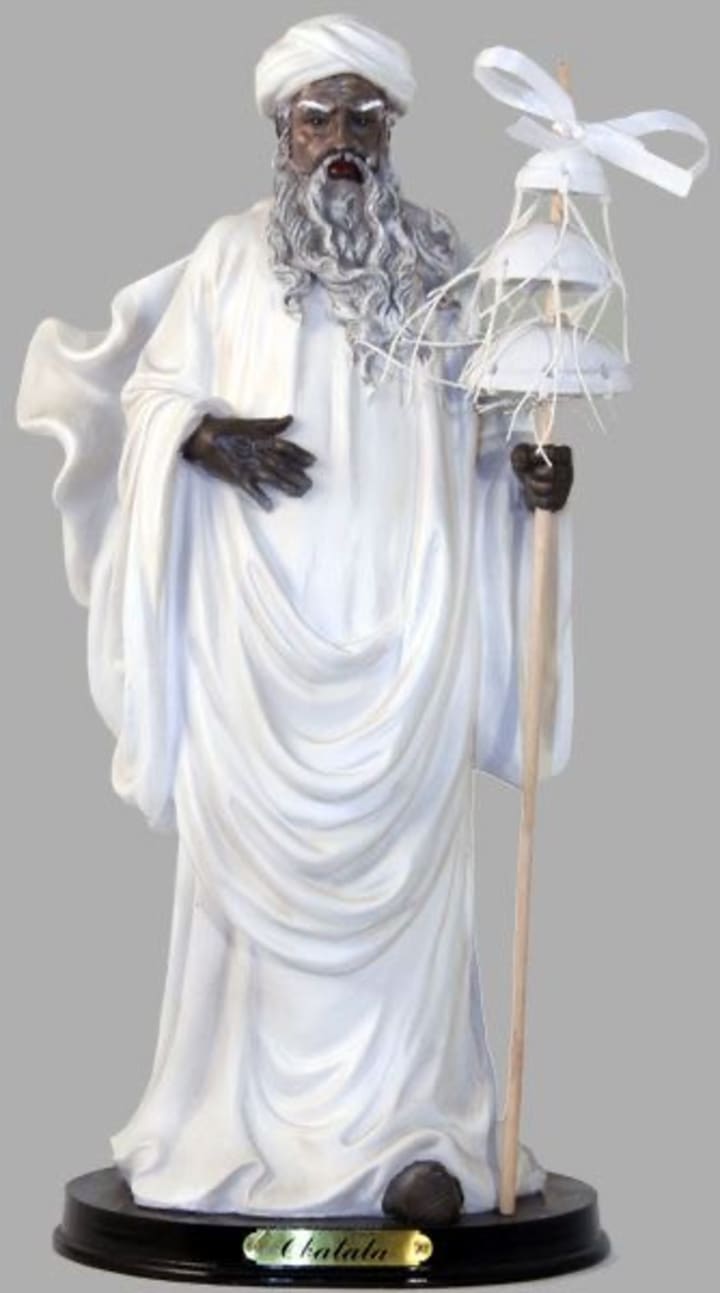
Shango
Shango, the deity of thunder and lightning, is the most powerful Yoruba god after Obatala; he was the second to emerge from Yemaja's corpse. His name appears to be derived from shan, "to strike forcefully," and go, "to befuddle," and to be a reference to thunderclaps, which are said to be caused by powerful strokes. He is known as Jakuta, which means "Hurler of Stones" or "Fighter with Stones" (Ja, to hurl from aloft, or ja, to battle, and okuta, stone); and stone weapons, which have long since ceased to be used in West Africa, are thought to be his thunderbolts.
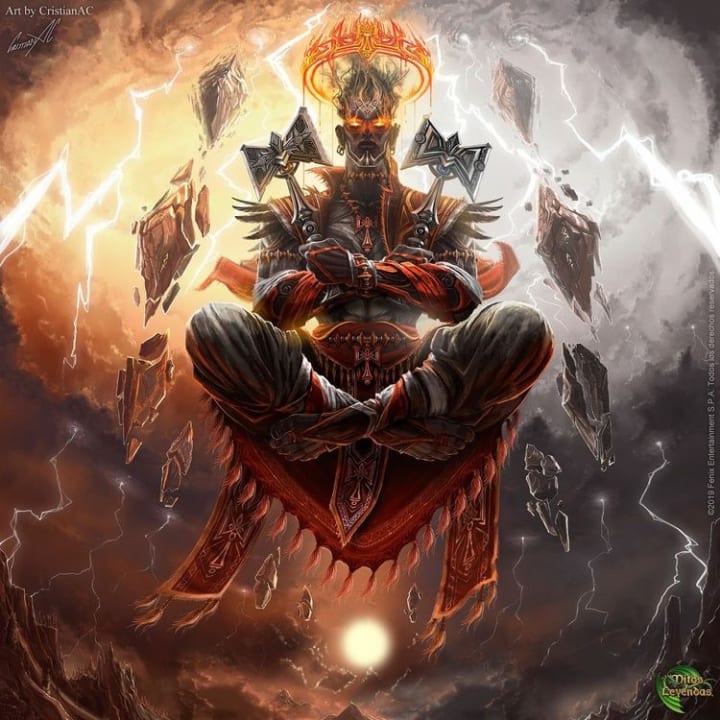
Ogun
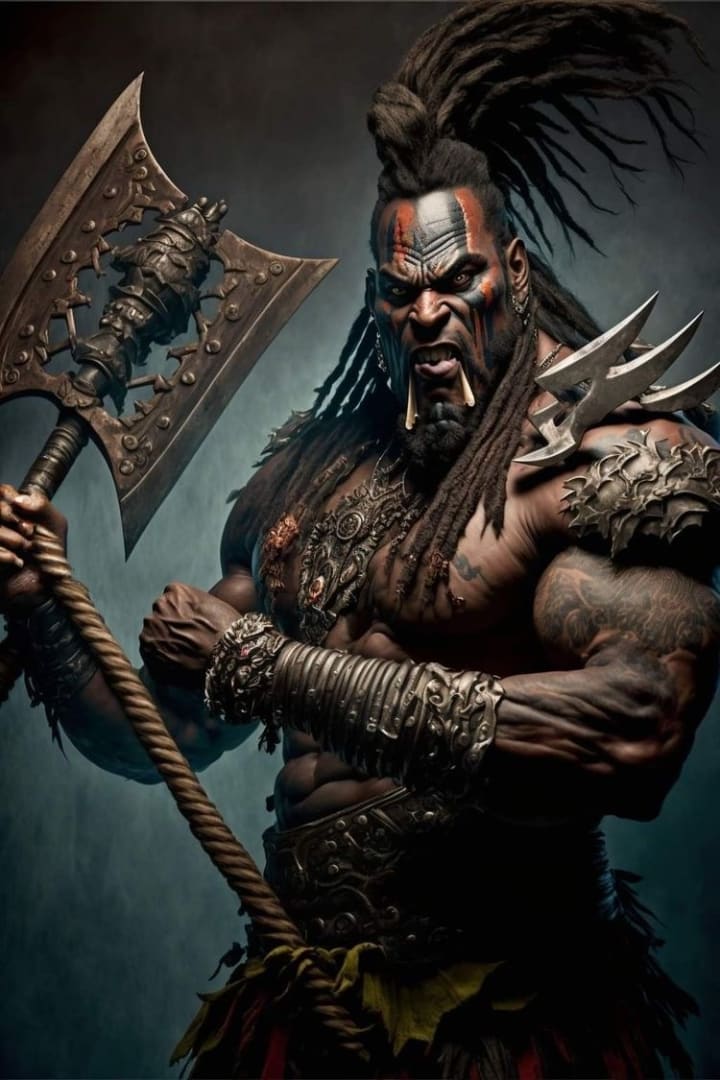
In Yoruba mythology, Ogun is the god of war and iron. "One who pierces" is what the name Ogun means (gun, to pierce, or thrust with something pointed). People who employ iron tools or weapons and blacksmiths in particular venerate him. Ogun can be represented by any iron object, and because iron ore is located on the ground, he holds it in high regard. He is among the individuals who emerged from Yemaja's body.
Oshun
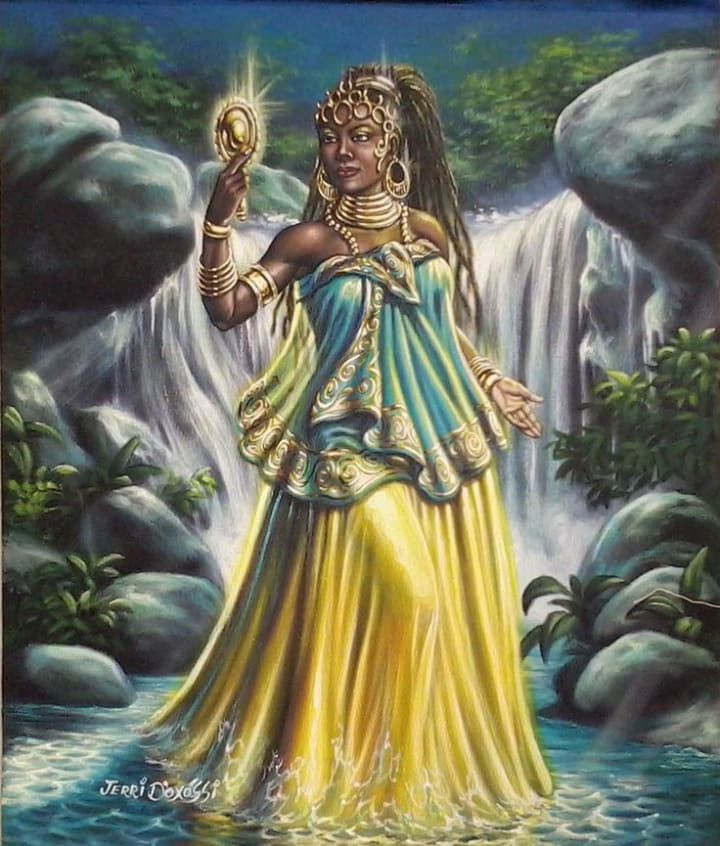
Oshun is the Yoruba goddess of love, beauty, and fertility. She is associated with the river Niger in West Africa, and is often depicted holding a river shell or wearing a crown of freshwater shells. Oshun is a kind and loving goddess, but she can also be fierce when she needs to be. She is known for her ability to help people in need, and her willingness to fight for justice.
Esu
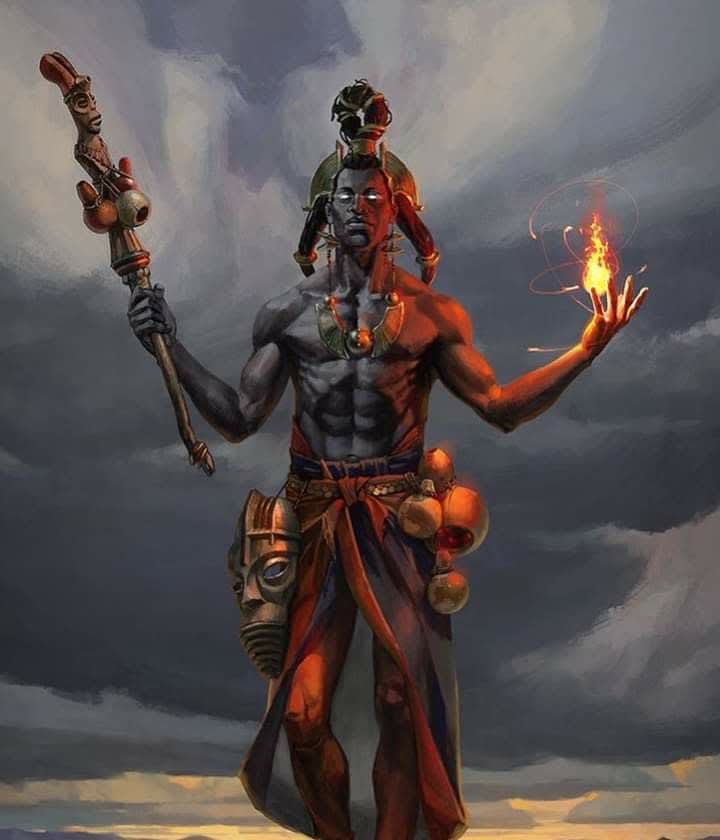
Esu is the god of mischief in Yoruba religion. He is also known as the Trickster and associated with chaos, disorder, and confusion. Esu is usually depicted as a human with animal features, such as horns or hooves. Esu is a god of mischief, and as such, he has many different aspects. He can be trickster, jester, and even a bit of a rabble-rouser. But at his core, he is a god of change and chaos.
Pls tip if you enjoyed…
About the Creator
Bella
I’m from Nigeria, l love to talk about my country
Keep reading
More stories from writers in Education and other communities.


Comments
There are no comments for this story
Be the first to respond and start the conversation.