
Infections and Systemic Diseases:
How They Lead to Muscle Pain

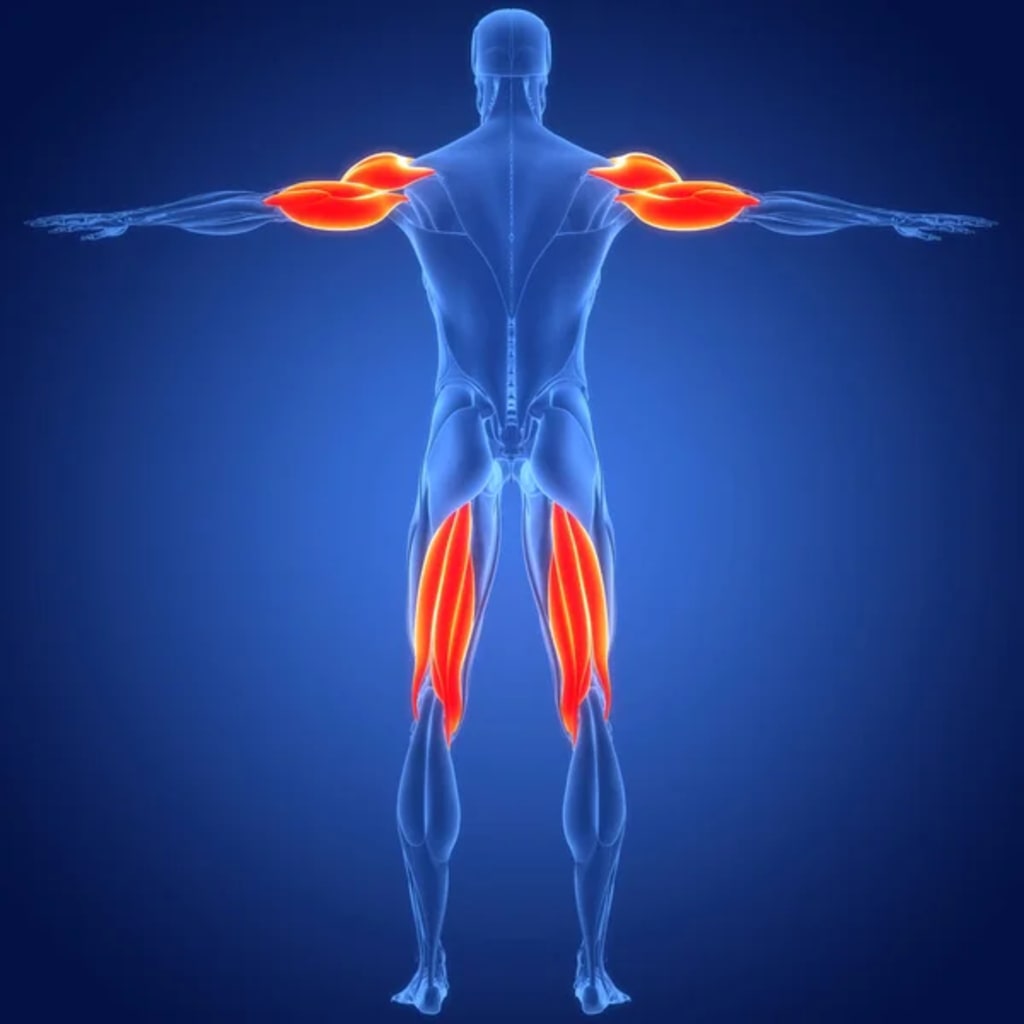
Muscle pain, or myalgia, is a common symptom associated with various infections and systemic diseases. It can range from mild discomfort to debilitating pain, affecting daily activities and overall well-being. Understanding how infections and systemic diseases lead to muscle pain is crucial for effective diagnosis and treatment.
How Infections Lead to Muscle Pain
Infections caused by bacteria, viruses, fungi, and parasites can lead to muscle pain through several mechanisms:
Inflammatory Response: When the body detects an infection, the immune system responds by releasing inflammatory mediators such as cytokines and chemokines. This inflammatory response helps to fight off the infection but can also cause muscle pain and tenderness. Examples of infections that cause muscle pain through inflammation include influenza, dengue fever, and Lyme disease.
Direct Muscle Invasion: Some pathogens directly invade muscle tissue, causing localized infection and damage. This can lead to muscle pain, swelling, and weakness. For instance, the parasite Trichinella spiralis, responsible for trichinosis, invades skeletal muscle, leading to severe myalgia.
Toxin Production: Certain bacteria produce toxins that can affect muscle tissue and lead to pain. For example, Clostridium tetani, the bacterium that causes tetanus, produces a toxin that interferes with normal muscle function, leading to painful muscle spasms and stiffness.
Systemic Effects: Infections that cause systemic symptoms, such as fever, can indirectly lead to muscle pain. Fever often accompanies viral infections like COVID-19 and Epstein-Barr virus (EBV) infections (e.g., mononucleosis), causing generalized muscle aches and fatigue.
Common Infections Associated with Muscle Pain
Influenza: Influenza, commonly known as the flu, is a viral infection that can cause high fever, headache, muscle aches, and fatigue. The muscle pain is due to the body's inflammatory response to the virus.
Dengue Fever: Dengue fever is a mosquito-borne viral infection that causes severe muscle and joint pain, often referred to as "breakbone fever." The pain is a result of the immune response and inflammation.
Lyme Disease: Lyme disease is a tick-borne bacterial infection caused by Borrelia burgdorferi. It can lead to muscle pain, joint pain, and fatigue as the bacteria spread through the body.
Trichinosis: Trichinosis is a parasitic infection caused by consuming undercooked meat contaminated with Trichinella larvae. The larvae invade skeletal muscle, causing intense muscle pain, swelling, and weakness.
Tetanus: Tetanus is a bacterial infection caused by Clostridium tetani, which produces a toxin affecting the nervous system and leading to painful muscle contractions and stiffness.
COVID-19: COVID-19, caused by the SARS-CoV-2 virus, can lead to a wide range of symptoms, including fever, muscle pain, and fatigue. The muscle pain is often a result of the systemic inflammatory response to the infection.
How Systemic Diseases Lead to Muscle Pain
Systemic diseases, which affect multiple organs and tissues throughout the body, can also lead to muscle pain through various mechanisms:
Autoimmune Response: In autoimmune diseases, the immune system mistakenly attacks healthy tissues, including muscles. This can cause inflammation, pain, and muscle weakness. Examples include lupus, rheumatoid arthritis, and polymyositis.
Metabolic Imbalances: Systemic diseases that disrupt normal metabolic processes can lead to muscle pain. For instance, hypothyroidism (underactive thyroid) can cause muscle pain, stiffness, and weakness due to imbalances in thyroid hormone levels.
Nutritional Deficiencies: Chronic systemic diseases can lead to malnutrition and deficiencies in essential nutrients, affecting muscle function. Vitamin D deficiency, for example, can cause muscle pain and weakness.
Circulatory Issues: Systemic diseases that affect blood flow can lead to muscle pain due to inadequate oxygen and nutrient delivery to muscle tissues. Conditions like peripheral artery disease (PAD) and chronic heart failure can cause muscle pain, particularly during physical activity.
Chronic Inflammation: Systemic diseases that cause chronic inflammation, such as inflammatory bowel disease (IBD) and chronic kidney disease (CKD), can lead to muscle pain. The ongoing inflammatory response can damage muscle tissues and cause discomfort.
Common Systemic Diseases Associated with Muscle Pain
Lupus: Lupus is an autoimmune disease that can cause widespread inflammation and tissue damage. Muscle pain, joint pain, and fatigue are common symptoms due to the autoimmune attack on muscles and connective tissues.
Rheumatoid Arthritis: Rheumatoid arthritis is an autoimmune disease that primarily affects the joints but can also cause muscle pain and weakness. The inflammation and immune response can extend to the muscles, leading to discomfort.
Hypothyroidism: Hypothyroidism occurs when the thyroid gland produces insufficient thyroid hormones. Muscle pain, stiffness, and weakness are common symptoms due to metabolic imbalances and reduced energy production in muscle cells.
Polymyositis: Polymyositis is an inflammatory muscle disease characterized by chronic muscle inflammation and weakness. It is believed to be an autoimmune condition where the immune system attacks muscle tissues, leading to pain and muscle damage.
Vitamin D Deficiency: Vitamin D is essential for muscle function and bone health. Deficiency in vitamin D can lead to muscle pain, weakness, and increased risk of falls and fractures.
Peripheral Artery Disease (PAD): PAD is a circulatory condition where narrowed arteries reduce blood flow to the limbs. Reduced blood flow can cause muscle pain, cramping, and weakness, particularly during physical activity.
Chronic Kidney Disease (CKD): CKD can lead to muscle pain and cramps due to imbalances in electrolytes, such as calcium and potassium, and the buildup of waste products in the blood.
Managing Muscle Pain Caused by Infections and Systemic Diseases
Effective management of muscle pain caused by infections and systemic diseases involves addressing the underlying condition and alleviating symptoms:
Treating the Underlying Condition: Proper diagnosis and treatment of the infection or systemic disease are crucial. This may involve antibiotics for bacterial infections, antiviral medications for viral infections, and immunosuppressive drugs for autoimmune diseases.
Pain Relief: Over-the-counter pain relievers, such as acetaminophen and nonsteroidal anti-inflammatory drugs (NSAIDs), can help reduce muscle pain and inflammation. For severe pain, prescription medications may be necessary.
Physical Therapy: Physical therapy can help improve muscle strength, flexibility, and function. Techniques such as stretching, low-impact exercises, and massage can alleviate muscle pain and promote recovery.
Nutritional Support: Ensuring adequate nutrition and addressing any deficiencies is essential for muscle health. This may involve dietary changes, supplements, and hydration.
Lifestyle Modifications: Incorporating regular physical activity, stress management techniques, and adequate rest can help manage muscle pain and improve overall well-being.
Alternative Therapies: Some individuals find relief through alternative therapies such as acupuncture, chiropractic care, and yoga. These therapies can help reduce muscle pain, improve relaxation, and enhance overall health.
Conclusion
Muscle pain caused by infections and systemic diseases can significantly impact daily life and well-being. Understanding the underlying mechanisms and causes of muscle pain is essential for effective diagnosis, treatment, and management. By addressing the root cause, providing pain relief, and adopting a holistic approach to health, individuals can manage muscle pain and improve their quality of life.
About the Creator
amber swift
Hello! I'm Amber Swift, and I'm excited to introduce BuyRxSafe. We provide a secure, convenient platform for purchasing prescription medications online, ensuring your health and safety with verified, high-quality products.
Keep reading
More stories from writers in Education and other communities.
China Online Education Market Analysis Industry Overview, Key Players & Future Outlook
According to IMARC Group's latest research publication, the China online education market size reached USD 14,585.92 Million in 2024. The market is projected to reach USD 105,126.83 Million by 2033, exhibiting a growth rate (CAGR) of 24.54% during 2025-2033.
By Neeraj kumar3 days ago in Education
The Evolution of Cyber Threats: Account Hacking Techniques in 2026 and How to Fortify Your Digital Defenses
The Ever-Changing Landscape of Digital Security As we progress through 2026, the sophistication of account hacking techniques has evolved dramatically, presenting unprecedented challenges to individuals and organizations worldwide. This article examines the cutting-edge methods employed by contemporary threat actors and provides actionable, forward-looking strategies to protect your digital identity. Understanding these threats is no longer optional—it's essential for anyone navigating our interconnected digital ecosystem.
By Alexander Hoffmannabout 6 hours ago in Education


Comments (1)
Heyo✨ Let's do a teamwork I like your stories and you gonna like mine 🫶🏻♥️