
India's Renewable Energy Boom: Adding 20 GW of Solar in One Year
Renewable Energy Boom

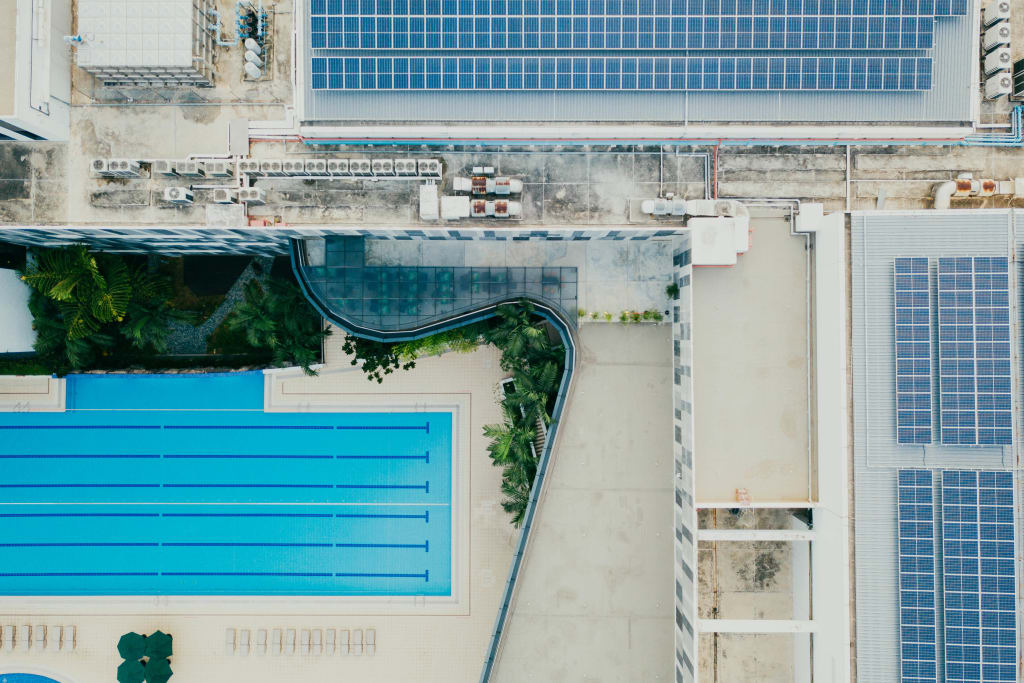
India's renewable energy sector has continued its stunning momentum. One remarkable milestone is adding 20 GW of solar capacity over the last twelve months, through October 2024. In fact, these significant increases account for most of the 30 GW of new generation capacity added over the same period, bringing India's total cumulative installed power capacity to 454 GW. Renewables, led by solar, accounted for over 75% (22.5 GW) of this added capacity.
According to a recent report by SBICAPS, this growth trajectory is far from slowing down, with a strong pipeline in place. The report projects that India will add a cumulative 50 GW of solar and wind capacity during FY 2025 and FY 2026, further solidifying its position as a global leader in renewable energy adoption.
A Surge in Wind Energy and Energy Storage
While solar energy is a leader in the renewable landscape, wind energy and energy storage have also gained considerable momentum. The driving factor behind this change has been the demands for round-the-clock renewable energy, firm and dispatchable renewable energy (FDRE), and wind-solar hybrid (WSH) projects.
Energy Storage: The most remarkable change noticed in the sector is how quickly energy storage integration gained momentum. According to the report, over the past five years, the share of renewable energy tenders with storage requirements has skyrocketed-from 5% in FY 2020 to 23% in FY 2024 and a robust 33% in the first eight months of FY 2025. This reflects India's pursuit of creating a resilient, flexible energy system which caters to diverse needs for energy.
With storage systems in place, better management of intermittent renewable energy sources is possible, and this is the trend that will see this country transition to more efficient energy use.
Regional Shifts in Power Capacity: The North and South Take the Lead
In a bigger sense, India's growth of renewable power capacity also is altering the regional spread. While it is the western region that dominated in the past, there is an apparent change expected to be made within the next decade wherein northern and southern regions become major power leaders.
Key Determinants of Regional Growth:
Northern Region:
The northern region is particularly dominated by solar-rich states, which have emerged as a powerhouse for renewable energy. The high sunshine potential and large open spaces make Rajasthan and Ladakh an ideal location for large-scale solar installations.
Southern Region:
The southern states of Tamil Nadu, Karnataka, and Andhra Pradesh are making their windy coastal areas the means to expand wind energy generation. They have already shown much promise in wind power and now are accelerating efforts to harvest this resource further.
This would mean that by March 2032, the north and south would take over the western region in terms of installed power capacity. The share of the western region is expected to drop from 33% to 25%, even though it remains a significant consumer of energy and a secondary driver of the national energy peak.
Infrastructure Challenges: Bridging the Transmission Gap
Despite these successes, this report identifies critical infrastructure challenges that may present a barrier to progress if not appropriately addressed. One of the main concerns is the wide gap between installed power capacities and actual generation in the western, eastern, and northeastern regions. This is also expected to increase by 2032.
Key Issues:
Transmission Infrastructure:
Most of the renewable energy hubs are located in remote areas such as the deserts of the northern region, which currently do not have sufficient evacuation infrastructure. Therefore, for efficient power transmission from these hubs to energy-deficient regions, significant greenfield expansions in the transmission network are needed.
Accelerating the Speed of Transmission Network Expansion:
According to the report, in order to make a transition effectively into renewable capacities, India should increase its annual pace of additions to the transmission network in the medium term. From April 2022 to March 2027, the country has envisaged 114,687 ckm of transmission lines and 776 GVA of substations. But till October 2024, only 28% of the envisaged transmission lines and 20% of the planned substations have been commissioned.
This means that a huge chunk of these projects—most of which are still in the pre-construction phase—have to be accelerated in order to meet the deadline of 2027. This is no easy feat, and this will need concerted efforts from policymakers, private stakeholders, and state authorities.
Opportunities in the Energy Transition
India’s renewable energy journey is not just about achieving capacity targets; it is also about building a sustainable, resilient, and equitable energy system. The current challenges in transmission infrastructure present an opportunity to reimagine the country’s energy landscape through:
Greenfield Investments: Developing new transmission networks in renewable energy hubs to unlock their full potential.
Technological Innovations: Leveraging advanced energy storage systems, smart grids, and digital solutions to enhance grid efficiency.
Collaborative Approaches: Promoting public-private partnerships to expedite project implementation and financing.
Future Outlook: A Green India
The addition of 20 GW of solar capacity in one year is a testament to India's commitment to clean energy and sustainability. With a strong project pipeline and ambitious targets, the country is poised to spearhead the global shift towards reIndia's Renewable Energy Boom: Adding 20 GW of Solar in One Year
India's renewable energy sector has further accelerated in making record strides by installing 20 GW of solar capacity during the twelve months ending October 2024. Such massive addition comprises a majority share of 30 GW new power generation capacities installed in this period and takes the cumulative installed power capacity in the nation to an incredible 454 GW. Solar leads the renewable energy sector that constitutes more than 75% or 22.5 GW of total additions.
A recent report by SBICAPS indicates that this growth trajectory is far from slowing down, with a strong pipeline in place. The report projects that India will add a cumulative 50 GW of solar and wind capacity during FY 2025 and FY 2026, further solidifying its position as a global leader in renewable energy adoption.
A Surge in Wind Energy and Energy Storage
Solar energy still remains the leader in the renewable energy market, but the growth in wind energy and energy storage systems has been phenomenal. The demand for round-the-clock (RTC) renewable energy, firm and dispatchable renewable energy (FDRE), and wind-solar hybrid (WSH) projects has triggered this change.
The most notable feature of the sector is the very fast rise of energy storage integration. According to the report, the share of renewable energy tenders with storage requirements has increased dramatically over the last five years, from a mere 5% in FY 2020 to 23% in FY 2024 and a robust 33% in the first eight months of FY 2025. This shift underlines India's commitment to creating a more resilient and flexible energy system capable of meeting diverse energy demands.
This trend will, in turn, play a major role in the country's energy transition with storage systems making better management of intermittent renewable energy sources possible.
Regional Shifts in Power Capacity: The North and South Take the Lead
Expansion in India's renewable energy is also changing the distribution of regional power capacity. For so long, the west dominated this landscape, but this is going to change fundamentally over the next ten years, with the northern and southern regions likely to become dominant regions.
Regional Growth Factors.
Northern Region:
The northern region, particularly solar-rich states like Rajasthan and Ladakh, is emerging as a powerhouse of renewable energy. Rajasthan’s abundant sunshine and Ladakh’s vast open spaces make them ideal for large-scale solar installations.
Southern Region:
The states of Tamil Nadu, Karnataka, and Andhra Pradesh in the southern regions of the country are utilizing their windier coastal regions to boost wind energy production. Already, these states have exhibited considerable potential for wind energy and are now fast tracking activities to exploit this resource more.
As a consequence, by March 2032, the north and south will surpass the western region in installed power capacity. The share of the western region is likely to decrease from 33% to 25%, though it will continue to be a high consumer of energy and the second driver of the national energy peak.
Infrastructure Challenges: Bridging the Transmission Gap
Despite these accomplishments, the report highlights significant infrastructure issues that could jeopardize future success if left unattended. The most significant is the increasing difference between capacity installed and actually generated in various parts of the country. The western, eastern, and northeastern regions are more susceptible to this problem as their deficits are expected to rise by 2032.
Key Challenges:
Transmission Infrastructure:
Many renewable energy hubs are located in remote areas, such as deserts in the northern region, which currently lack adequate evacuation infrastructure. Seamless power transmission from these hubs to energy-deficient regions requires significant greenfield expansions in the transmission network.
Accelerating the Rate of Transmission Network Expansion by Two Times
India must, in the medium term, double the annual pace of transmission network additions to effectively integrate renewable capacities. Between April 2022 and March 2027, the country plans to add 114,687 circuit kilometers (ckm) of transmission lines and 776 GVA of substations. But as of October 2024, only 28% of the planned transmission lines and 20% of the substations have been commissioned.
This means that a significant part of these projects—most of which are still in the pre-construction phase—must be accelerated to meet the 2027 deadline. This is a tremendous challenge, and coordinated efforts are needed among policymakers, private stakeholders, and state authorities.
Opportunities in the Energy Transition
India's renewable energy journey is not only about achieving capacity targets but also about building a sustainable, resilient, and equitable energy system. Current transmission infrastructure challenges present an opportunity to reimagine the country's energy landscape through:
Greenfield Investments: New transmission networks in renewable energy hubs to unlock their full potential.
Technological Innovations: Advanced energy storage systems, smart grids, and digital solutions to enhance grid efficiency.
Collaborative approaches, accelerate project execution and finance, fostering public-private partnerships.
Green future for India
India will add 20 GW in a single year with that commitment to clean energy, sustainability. With its healthy pipeline of projects and high-sustained goals, it stands tall to lead the way worldwide in the transition of the world to renewable sources.
These objectives, however, are achievable only when key issues in infrastructure, policy implementation, and project execution are addressed. India will thus be able to not only meet its renewable energy targets but also open up avenues to a greener and more resilient energy future.
As India moves ahead with renewable energy, the question is: How can we, as individuals and businesses, contribute to this transformative journey? Share your thoughts in the comments below.
However, these goals would be achieved only by overcoming critical challenges in infrastructure, policy implementation, and project execution. Focusing on these areas will not only help India meet its renewable energy targets but also pave the way for a greener, more resilient energy future.
As India continues to make strides in renewable energy, the question remains: How can we as individuals and businesses contribute to this transformative journey? Share your thoughts in the comments below.
About the Creator
Keep reading
More stories from Rawalwasia Group and writers in Education and other communities.
Powerful Guide: Types of Solar Panels and Their Specifications for Maximum Efficiency
Introduction: Types of Solar Panels and Their Specifications Understanding the types of solar panels and their specifications is very important in choosing the best one for your home or business. While solar energy becomes a more popular and cheaper alternative to the others, it becomes easier for you to make a more informed choice as to what would constitute the ideal panel type to maximize performance and efficiency. In this guide, we will be discussing the types of solar panels and their specifications.
By Rawalwasia Groupabout a year ago in Education
Losing Track of Expenses?Bookkeeping Services Explained
Receipts tucked into wallets, spreadsheets half-updated, and bank statements opened with a sigh, expense tracking slips through the cracks faster than most owners expect. The problem usually isn’t effort; it’s the lack of a clean system that works quietly in the background. When finances feel scattered, clarity becomes the most valuable asset a business can regain. That’s where bookkeeping services step in, not as a luxury, but as a stabilizing force that brings order, insight, and confidence back into financial decision-making.
By Lily Nobleta day ago in Education
A Love Forboding
The chipped stone slope caused unbearable footing. I slid, skirting on my heels. I cast my shield, relinquishing my guard to stay upright. Left with my double-edge and a prayer to the maker, I skated toward my objective. The earthly stubble gave way to solid ground. I found myself restored, a trail of dust in my wake.
By James U. Rizzi2 days ago in Fiction



Comments
There are no comments for this story
Be the first to respond and start the conversation.