
India rolls out e-passports with embedded chips, details inside
India is moving towards high-tech chip-based e-passports to make travel more secure and convenient. These smart passports will store key personnel data and help reduce fraud and identity theft.

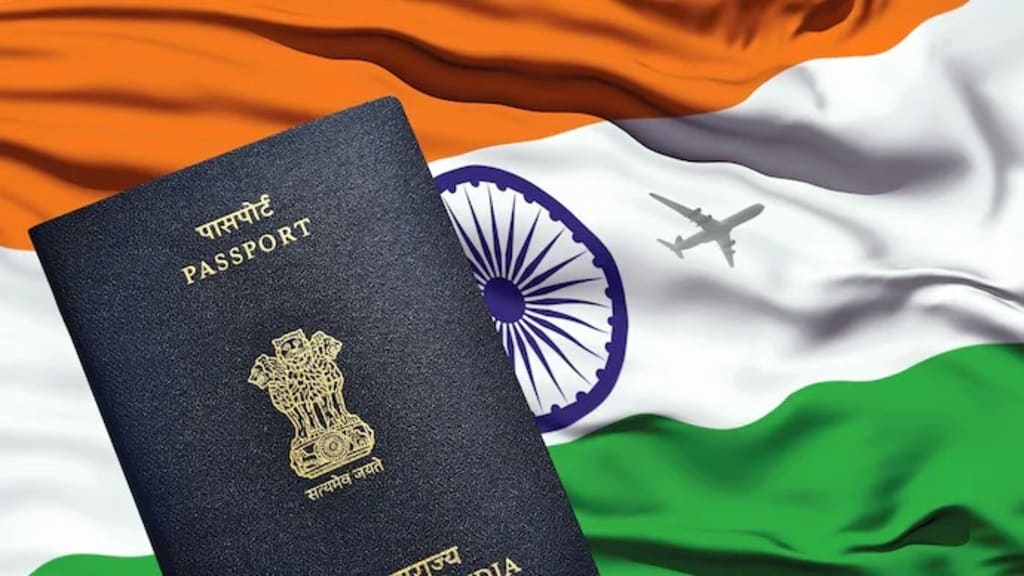
India Rolls Out e-Passports with Embedded Chips: A Leap Towards Secure and Efficient Travel
In a significant stride towards modernizing travel documentation, India has commenced the issuance of chip-enabled biometric e-passports under the Passport Seva Programme Version 2.0. This initiative not only enhances the security and authenticity of passports but also aligns India with over 120 countries that have already adopted similar technology.
What Is an e-Passport?
An e-passport, or electronic passport, integrates a Radio Frequency Identification (RFID) chip within the standard passport booklet. This chip securely stores the passport holder's personal and biometric information, including their photograph, fingerprints, passport number, and date of birth. The data is encrypted and protected by internationally recognized protocols such as Basic Access Control (BAC) and Extended Access Control (EAC), ensuring that unauthorized access or tampering is prevented .
Initial Rollout and Expansion Plans
The initial rollout of e-passports has begun in 13 cities: Nagpur, Bhubaneswar, Jammu, Goa ... This phased approach allows the government to assess operational readiness and address any challenges before expanding nationwide. The full implementation is expected to cover all Passport Seva Kendras ... .
Enhanced Security Features
One of the primary advantages of e-passports is their enhanced security. The embedded chip makes it nearly impossible to forge or tamper with the passport. If any unauthorized attempt to alter the chip is detected, the system will immediately invalidate the passport, preventing fraudulent activities .
Additionally, the e-passport's data is digitally signed and stored in both printed and electronic forms, providing a dual layer of verification. This feature significantly reduces the risk of identity theft and ensures the integrity of the passport holder's information .
Streamlined Immigration Processes
e-passports facilitate faster and more efficient immigration procedures. Many countries have implemented automated e-gates that can read and verify e-passports within seconds, reducing wait times at border controls. This advancement is particularly beneficial for frequent travelers, as it expedites the entry and exit process .
Manufacturing and Technological Collaboration
The production of e-passports is carried out at the India Security ... aligning with the government's "Make in ... . The RFID chips are developed in collaboration with the National Informatics Centre and IIT-Kanpur, ensuring that the technology remains under national control ... meets the highest standards of security and reliability .
Application Process
Despite the technological advancements, the application process for obtaining an e-passport remains unchanged. Citizens can apply through the Passport Seva Portal, ... or Post Office Passport Seva ... , and provide their biometric details at ... center. This continuity ensures that the transition to e-passports is seamless for applicants .
Future Prospects
The introduction of e-passports marks a significant milestone in India's journey towards digital transformation. By adopting advanced technology, India is not only enhancing the security and efficiency of its travel documents but also positioning itself as a leader in global travel facilitation. As the rollout progresses, Indian citizens can look forward to a more secure and streamlined international travel experience.
In conclusion, the launch of chip-enabled e-passports is a commendable step towards modernizing India's travel documentation system. With enhanced security features, faster immigration processes, and a commitment to technological excellence, India is poised to offer its citizens a passport that meets the demands of the digital age.
In addition to the security and convenience benefits, the e-passport initiative is also expected to improve diplomatic and global mobility for Indian citizens. Many countries that have adopted e-passport systems report smoother visa processing, as these passports are easier to authenticate and harder to duplicate. Moreover, the Indian government is planning future upgrades to include advanced biometric authentication methods, such as iris recognition, making the system even more robust. This move is also aligned with the Digital India mission, promoting greater transparency and efficiency in public services. Overall, e-passports represent a forward-thinking approach to secure, technology-driven governance in India.
About the Creator
Keep reading
More stories from Abjol Hussain Laskar and writers in Education and other communities.
The Edwardian Era
“I shall go on. I shall work to the end” (Edward VII) During this period in history, everyday items that we take for granted today were just being invented and medicine improved tremendously. Fashion changed, mainly for women, as did ‘women’s role’ in society. The horse and carriage started to disappear in favour of the motor car and the telephone became the modern means of communication. The new invention called the “Photograph” took sepia pictures of daily life in the Edwardian Era. Also, electricity and indoor plumbing started to become the norm.
By Ruth Elizabeth Stiffabout 20 hours ago in Education
Augmented and Virtual Reality in Education Market to Reach Nearly USD 75 Billion by 2033
Augmented and Virtual Reality in Education Market Overview The augmented and virtual reality in education market covers the use of AR and VR hardware, software, and content to deliver immersive learning experiences in schools, universities, and workforce training. This market is being used for simulation-based teaching, virtual labs, skills practice, and guided lessons that are difficult to deliver through traditional formats. The global market size is expected to reach USD 75 billion by 2033, rising from USD 17.2 billion in 2025. Growth is expected at a CAGR of 20.26% from 2024 to 2033.
By Roberto Crumabout 19 hours ago in Education




Comments
There are no comments for this story
Be the first to respond and start the conversation.