
Pakistan used military hotline to request ceasefire. How it works, why it matters
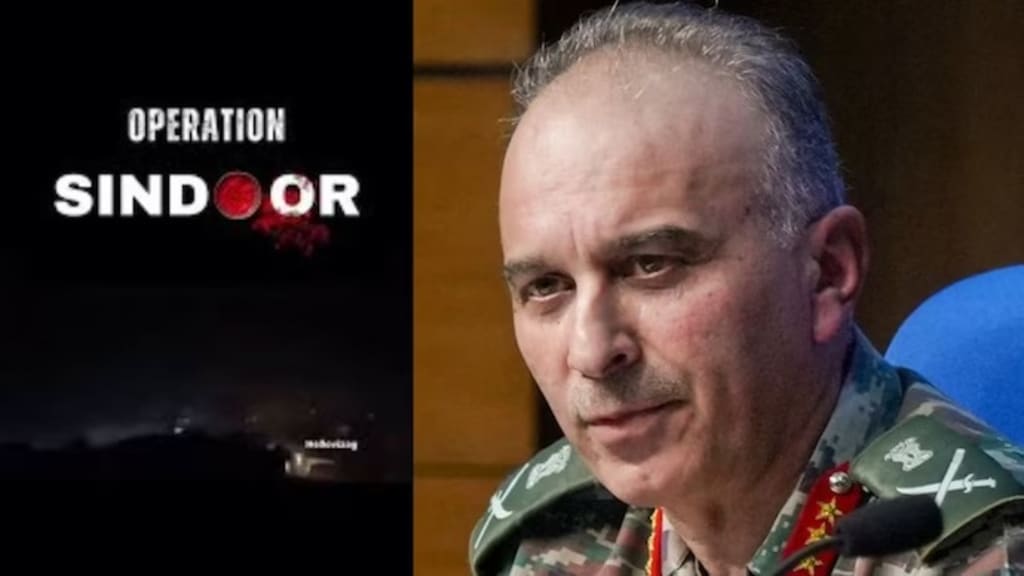
Cornered and out of diplomatic moves after Operation Sindoor, Pakistan had no choice but to reach for the military hotline which was their last lifeline to request a ceasefire and de-escalate rising tensions with India. Learn more below.

In Short
India and Pakistan faced severe military clashes involving missiles and drones
Pakistan used the military hotline to request a ceasefire during intense conflict
The hotline enabled quick de-escalation and prevented wider war risks
In early May 2025, India and Pakistan experienced their most severe military escalation in nearly three decades, involving missile strikes, drone attacks, and heavy artillery exchanges. This four-day conflict resulted in significant casualties and heightened fears of a broader war between the two nuclear-armed neighbours. The violence was triggered by a deadly attack in India, which New Delhi blamed on Pakistan, leading to a rapid cycle of retaliation.
Pakistan used the military hotline to request a ceasefire because it is the most reliable, direct, and effective channel for crisis communication between the two militaries.
The hotline allowed both sides to rapidly de-escalate the conflict, clarify intentions, and agree on mechanisms to prevent further violence, especially under intense international scrutiny and mediation.
The military hotline between India and Pakistan is a secure, direct landline linking the Directors General of Military Operations (DGMOs) in New Delhi and Rawalpindi.
Established after the 1971 war, its purpose is to provide real-time, military-to-military communication for crisis management, de-escalation, and clarification of incidents along the Line of Control (LoC) and international border.
Key features of the hotline:
->Fixed, encrypted landline (not mobile or internet-based)
->Used exclusively by senior military officials (DGMOs)
->Activated immediately during crises, such as ceasefire violations or escalations
->Bypasses diplomatic channels for swift, direct communication
->Used for both routine (weekly) and emergency calls
WHY PAKISTAN USED THE HOTLINE FOR A CEASEFIRE
As the conflict intensified, both nations realised the risk of further escalation. According to Indian officials, the breakthrough began when a high-ranking Pakistani military officer requested a hotline conversation with his Indian counterpart on Saturday afternoon, seeking to discuss a ceasefire.
Pakistan's military has confirmed it reached out, though it initially stated this was done through intermediaries, with the United States playing a significant facilitating role.
WHY WAS THE HOTLINE USED?
Immediate de-escalation needed: The situation was deteriorating rapidly, and direct, real-time communication was essential to avoid misunderstandings that could lead to a wider war.
Bypassing diplomatic delays: The hotline allowed both militaries to clarify intentions and agree on a ceasefire without waiting for slower diplomatic channels.
Crisis management: The hotline is specifically designed for such emergencies, enabling both sides to discuss troop deployments, ceasefire terms, and mechanisms to prevent further incidents.
INTERNATIONAL PRESSURE AND AFTERMATH
The United States played a role in urging both sides to halt hostilities. American officials engaged directly with military and political leaders in both countries, pushing for an 'off-ramp' to the crisis.
The ceasefire was ultimately agreed upon during a hotline call, with both sides planning further discussions to ensure its sustainability.
Following the hotline communication and the ceasefire agreement, the border saw its first peaceful night in days, though both sides accused each other of initial violations.
The hotline remains the primary tool for managing such crises, reinforcing its critical role in stabilising volatile situations and preventing escalation before political dialogue resumes.
Pakistan Seeks Ceasefire via Military Hotline After Operation Sindoor
Following the swift and decisive execution of Operation Sindoor, Pakistan found itself cornered and without viable diplomatic options. The intensity of the Indian military operation left Islamabad with no alternative but to activate the military hotline — a rarely used but vital communication channel — to urgently request a ceasefire. The move marked a significant de-escalation step amid rising regional tensions. Indian forces, having achieved strategic objectives, held their positions as diplomatic channels resumed. Operation Sindoor has not only shifted the strategic balance but also reaffirmed the importance of military diplomacy in crisis management.
About the Creator
Keep reading
More stories from Abjol Hussain Laskar and writers in Education and other communities.
Chandigarh and Mohali Enforce Early Closure of Shops and Restaurants Amid Rising India-Pakistan Tensions
May 10, 2025 In response to escalating tensions between India and Pakistan, authorities in Chandigarh and Mohali have mandated the early closure of all shops and restaurants by 7:00 PM on May 9, 2025. This precautionary measure aims to ensure public safety amid heightened security concerns.
By Abjol Hussain Laskar10 months ago in Education
The Impact of Virtual Reality on Healthcare Innovation and Medical Practice
Virtual reality is steadily transforming the healthcare industry by offering immersive digital environments that support medical education, treatment planning, and patient care. Unlike traditional tools, VR allows healthcare professionals to interact with highly detailed simulations that replicate real medical situations. These interactive experiences provide opportunities for learning and preparation that were previously difficult to achieve through conventional training methods.
By Alex Kipman3 days ago in Education
Why the Sun Will Become a Red Giant: The Future of Our Solar System Explained
Every morning, the Sun rises as it has for billions of years, bathing Earth in light and warmth. To us, it feels permanent and unchanging. Yet in the vast timeline of the universe, the Sun is only halfway through its life.
By shahkar jalalabout 23 hours ago in Education




Comments
There are no comments for this story
Be the first to respond and start the conversation.