
IELTS Exam: Paper-Based vs Computer-Based
Compare IELTS paper-based vs computer-based formats to choose the right test for your skills, comfort, and result timeline.

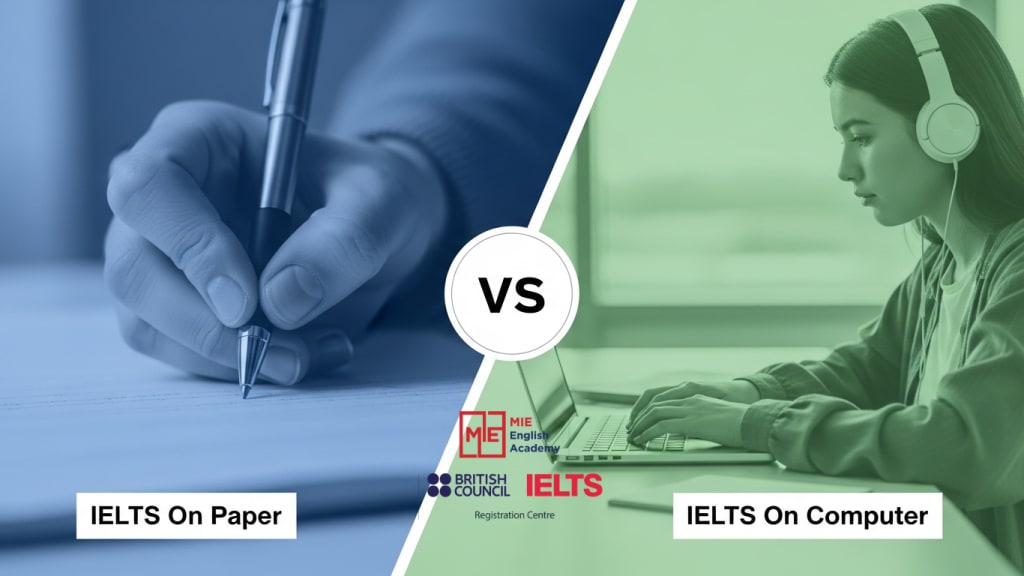
Choosing between a paper-based and computer-based IELTS exam can impact both your preparation strategy and test experience. While the content and difficulty remain identical, the way you interact with the test differs. Understanding these differences helps candidates make a choice that matches their strengths, comfort with technology, and need for fast results. This guide explores the key distinctions, benefits, and considerations to help you make an informed decision.
Understanding the Two Formats
The paper-based IELTS requires candidates to write answers by hand, including essays and short responses. In contrast, the computer-based IELTS allows typing answers directly into a computer interface for Listening, Reading, and Writing sections. Both formats maintain the same Speaking module, conducted face-to-face with an examiner, ensuring consistent evaluation across formats.
Listening Section Differences
In the paper-based test, candidates write answers on the question paper while listening and then transfer them to an answer sheet during a 10-minute window. This provides extra time for reviewing spelling and accuracy.
The computer-based test requires answers to be typed directly as the audio plays, with only a brief 2-minute review period at the end. Candidates benefit from noise-cancelling headphones, which reduce distractions and create a focused environment.
Reading Section Differences
Paper-based IELTS involves manually navigating pages and underlining or marking text with a pencil. Candidates must manage the flow of pages while tracking answers.
Computer-based IELTS presents passages and questions side by side, with options to highlight text, make digital notes, and copy and paste answers. This reduces transcription errors and saves time, although extended screen reading may cause fatigue for some candidates.
Writing Section Differences
Handwriting in paper-based IELTS requires legible and structured essays. Editing can be slower, and word counting must be done manually.
Typing on the computer provides built-in word count, easy editing tools, and the ability to rearrange content efficiently. Candidates comfortable with typing may find this format faster and less prone to handwriting errors, though typos can still occur.
Key Logistical Considerations
Computer-based IELTS often offers faster results, typically within 2 to 5 days, and more frequent test dates, which is useful for tight visa or admission deadlines. Paper-based IELTS results take longer, generally around 13 days, and test slots are limited to specific dates each month.
The testing environment also differs. Computer-based exams are held in smaller rooms with fewer candidates, creating a quieter and more controlled setting, whereas paper-based exams take place in larger halls with more test-takers.
How to Choose the Best Format
Candidates should consider:
Comfort with Technology: Those skilled in typing and navigating screens may prefer computer-based IELTS.
Typing Speed: Fast and accurate typists gain efficiency benefits from the digital format.
Need for Quick Results: Computer-based tests provide faster score delivery.
Personal Preference: Some candidates perform better with handwriting and a traditional test feel.
Ultimately, the choice is personal. Both formats test the same skills and maintain the same scoring criteria, so your preparation and confidence play the biggest role in achieving your target band.
Preparation Tips for Both Formats
Practice full-length tests in your chosen format.
For computer-based IELTS, get used to typing essays within the time limit and using digital annotation tools.
For paper-based IELTS, improve handwriting legibility and practice transferring answers efficiently in Listening.
Focus on core language skills: Listening, Reading, Writing, and Speaking.
Conclusion
The decision between paper-based and computer-based IELTS depends on your comfort with technology, typing speed, and timing needs. Both formats offer a fair and consistent assessment of English proficiency. By aligning your choice with personal strengths and preparing strategically, you can maximize your performance and achieve your desired results. Ready to decide which IELTS format suits you best? Start tailored preparation with MIE English Academy today and gain the confidence to achieve your target score.
About the Creator
MIE English Academy
Prepare smarter, speak better, and step confidently into your global future. We are a dynamic and rapidly growing educational institute founded in 2024, with its headquarters in Dhaka and additional branches across the Bangladesh.
Keep reading
More stories from MIE English Academy and writers in Education and other communities.
IELTS One Skill Retake in Bangladesh: Right Choice for You?
A small gap in one IELTS skill can block a Bangladeshi student from securing admission or visa approval. A missing half-band in Writing or Speaking has often delayed study abroad plans. The IELTS One Skill Retake now offers a direct solution. Instead of repeating all four parts, students can re-sit a single section—Listening, Reading, Writing, or Speaking—within 60 days of their original test. This option saves both money and time while offering a fair chance to meet entry requirements. With focused coaching from MIE English Academy, students in Bangladesh can turn this opportunity into real success.
By MIE English Academy4 months ago in Education
The Proven Natural Skincare Secret with Healthy Skin
Healthy skin does not come from harsh products or complicated routines. It comes from working with nature, not against it. The natural skincare secret that many people overlook is the power of raw honey as a daily skin ally. This simple ingredient has been used for generations, yet many still do not understand its effectiveness. When used correctly, raw honey can change how your skin looks and feels.
By Kelln Small6 days ago in Education
What to Eat (And Avoid) During Colon Cancer Treatment: A Nutritionist-Approved Guide
When undergoing colon cancer treatment, your diet is more important than ever. The right nutrition can support your immune system, reduce side effects, and even enhance the effectiveness of treatments like chemotherapy and radiation. But knowing what to eat and what to avoid can be overwhelming.
By Erika Phillips 7 days ago in Education


Comments
There are no comments for this story
Be the first to respond and start the conversation.