
Identity Verification in Social Media
Explore IDV in social media, examining its purpose, current practices, and future prospects to answer this and other key questions.

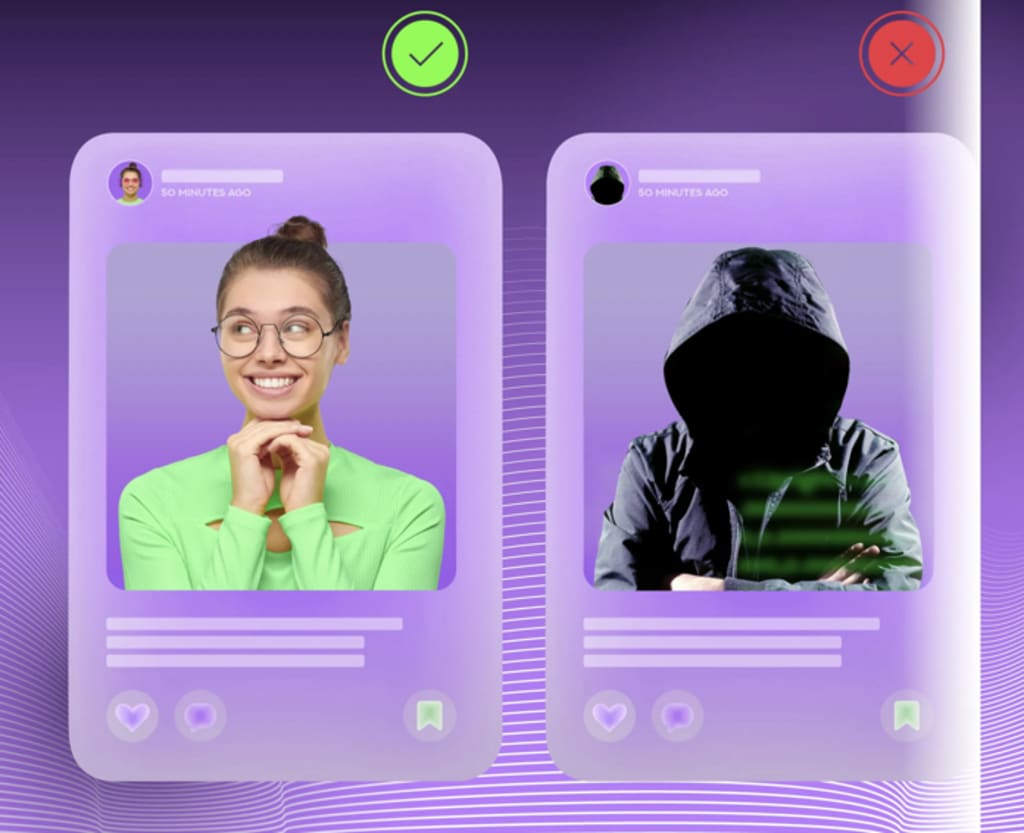
Social media platforms present a unique case when it comes to identity verification (IDV). Unlike heavily regulated industries such as banking or telecommunications, most social networks treat IDV as an optional feature—sometimes even a paid service—rather than a mandatory safeguard for all users. However, with rising threats like deepfakes and online scams, is this approach sustainable?
This article delves into the role of IDV in social media, examining its purpose, current practices, and future implications.
Why Do Social Media Platforms Need IDV?
Three primary factors drive the adoption of identity verification in social media:
1. Enhancing Cybersecurity
With over 5.24 billion social media identities globally as of January 2025, these platforms are deeply integrated into daily life. However, not all accounts belong to real, rule-abiding users. Fraudsters exploit social networks for scams, identity fraud, and illicit activities.
Moreover, social media credentials often serve as authentication tools for third-party platforms. A compromised account can grant cybercriminals access to financial services, personal data, and even digital wallets. With platforms like Instagram integrating e-commerce and payments, the risks are only increasing.
Anonymity enables malicious actors to operate with ease, and advancements in deepfake technology allow them to create highly convincing fake profiles. These fake identities fuel romance scams, financial fraud, and misinformation campaigns, putting users at risk and damaging platform credibility.
2. Gaining a Competitive Edge
The social media landscape is fiercely competitive, with new platforms like Bluesky and BeReal continuously challenging established giants. To retain and attract users, platforms must innovate—and IDV can serve as a powerful differentiator.
Regula’s recent study on deepfake risks found that 26% of respondents believe social media and personal relationships are the most impacted by deepfakes. Additionally, identity theft (42%) and misinformation campaigns (33%) were cited as major concerns, both of which are prevalent on social networks.
Public sentiment also reflects growing security concerns. On platforms like Reddit, discussions around online safety are dominated by emotions such as “concern,” “disappointment,” “anger,” and “fear.”
By implementing strong IDV measures, social media companies can foster trust, attract security-conscious content creators, and create safer communities that encourage user engagement and growth.
3. Preparing for Regulatory Shifts
Although social media platforms currently face fewer regulations than other industries, their role as global communication tools is drawing increased government scrutiny.
Several regulations are already shaping IDV policies:
- The EU’s Digital Services Act (DSA): Requires platforms to moderate content and prevent the spread of illegal information, with penalties of up to 6% of global revenue.
- The UK Online Safety Act (2023): Mandates that social media companies enforce age limits and protect minors, with fines reaching £18 million or 10% of global revenue.
- Australia’s Online Safety Act (2021): Requires platforms to shield minors from harmful content.
- France’s Proposed Regulations: Suggest the creation of an independent body to collect user identities upon registration.
With no universal legal framework, governments may impose stringent IDV mandates in response to emerging threats. The bans on TikTok in the EU and US illustrate the unpredictable regulatory landscape. Proactively implementing IDV can help social media companies stay ahead of compliance demands.
How Social Media Platforms Verify Users
Many social networks already integrate identity verification, with varying degrees of security.
Key examples include:
WhatsApp: Phone Number Verification
With over 2.95 billion active users, WhatsApp relies on phone number verification during onboarding. Users must enter a six-digit code received via SMS or call. An optional two-step verification feature adds an extra layer of security through a unique PIN requirement.
Meta (Facebook & Instagram): Subscription-Based Verification
Meta offers a verification badge via a paid subscription (starting at $14.99/month). Users must submit a government-issued ID, and in select regions, a video selfie verification is required. Any changes to profile details trigger a new verification process.
X (formerly Twitter): Multi-Tiered Verification
X categorizes verification using different colors:
- Blue – Regular users
- Gray – Government agencies
- Gold – Businesses and nonprofits
- Black – Verified organizations
Premium users must meet eligibility criteria and complete ID verification using a government-issued document.
LinkedIn: Professional Identity Verification
LinkedIn allows users to verify their identity, workplace, or educational institution. Depending on location, verification may involve presenting an ID, submitting a selfie, or confirming a business email.
The Future of Identity Verification in Social Media
As digital threats evolve and regulatory scrutiny intensifies, social media platforms are likely to adopt more stringent identity verification measures.
Emerging trends include:
1. Widespread Age Verification
Legislative efforts are increasingly focused on protecting minors. Platforms like YouTube already offer parental controls and dedicated experiences for younger users. Expect age verification to become a standard requirement across all social networks.
2. Expanded ID Verification Options
Currently, identity verification is primarily available to paid subscribers. Future developments may include broader implementation and alternative methods such as digital identities and decentralized credentials (DTCs), which offer users greater control over personal data.
3. Biometric Verification as a Standard
Advanced liveness detection, requiring users to perform gestures or facial expressions, may become a mandatory step in IDV processes. These measures enhance security by preventing deepfake and spoofing attacks, making online spaces safer.
Conclusion
To stay ahead of emerging threats and regulatory changes, social media platforms must embrace robust identity verification solutions. Regula offers industry-leading tools, including:
- Regula Document Reader SDK – Ensures precise ID document verification.
- Regula Face SDK – Detects deepfakes and enables biometric authentication with advanced liveness detection.
By integrating these solutions, social media companies can strengthen security, combat fraud, and build a safer digital environment for users worldwide.
About the Creator
Regula Forensics
Regula is a global developer of forensic devices and identity verification solutions.
Follow https://regulaforensics.com
Keep reading
More stories from Regula Forensics and writers in Education and other communities.
Romance Scams and Identity Verification
Fraudsters frequently take advantage of online communication channels, often pulling dating apps and social media into their schemes. When they succeed, scammers walk away with the profits, while platforms such as Tinder, Facebook, and Instagram suffer reputational damage and public scrutiny. As technology evolves, so do the tactics used by cybercriminals to exploit unsuspecting victims.
By Regula Forensicsabout a year ago in Education
Precision in Motion: The Rise of Sport Shooting and Firearms in Modern Competition
Sport shooting has grown from a simple test of aim into a structured sport that demands discipline, patience, and technical skill. Today, sport shooting and firearms play a major role in global competitions, training programs, and recreational events. Athletes train for years to improve accuracy and control. They study equipment, posture, breathing, and focus. Because of this dedication, sport shooting has become a respected sport that rewards precision and calm thinking.
By Matthew Pothoffabout 9 hours ago in Education
NCLEX Study Plan: A Step-by-Step Guide for Nursing Students
Preparing for the NCLEX-RN is one of the most important milestones in the nursing students’ career. This is because the NCLEX is the final step before nursing students can become licensed nurses. However, it is not as easy as simply reading nursing textbooks and taking notes from class lectures. This is because the NCLEX is designed to test the nursing students’ clinical judgment and decision-making skills.
By Sulcus Learning3 days ago in Education
Hottest in the Office
Dear Rafi, You’re very distracting to work around. For the first second I saw you the other day, I thought you were some type of executive. It took a moment to realize no, you were just the new guy, dressed up for the job he wants. Be still, my heart.
By Gabriel Shames3 days ago in Pride




Comments
There are no comments for this story
Be the first to respond and start the conversation.