
Identifying the Social Media Platforms Where Your Customers Are Active
Social Media Platforms
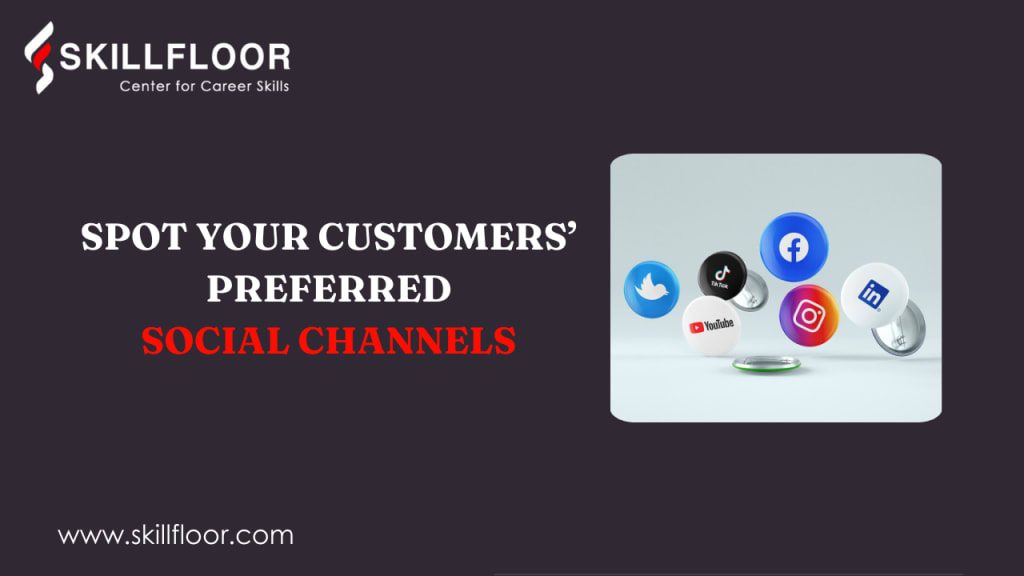
Have you ever wondered which social media sites your customers utilize most frequently? It's okay, you don't have to be everywhere. Let's start by identifying the best channels to reach your target market and expand your company.
What is Social Media?
Social media is a platform for online communication, sharing, and connection. Communication, entertainment, and keeping up with the world around us are all made possible by this potent weapon that unites groups.
Social media platforms are essential for companies in the realm of digital marketing. They support brands in connecting with consumers, promoting goods, and cultivating connections. Here, strategy and creativity come together to spur expansion.
Importance of Social Media in Modern Business
- Social media gives companies a direct line of communication with their clients, fostering trust and enduring connections through frequent exchanges and information that is catered to their interests and requirements.
- It's an affordable method of advertising goods and services that enables small businesses to compete with more established brands by addressing a specific demographic without breaking the bank.
- Social media platforms give businesses useful information about how their customers behave, which they can use to improve their strategies and produce content that appeals to the tastes and requirements of their target audience.
- Digital marketing courses help firms stay competitive in the market by teaching them how to use social media technologies successfully.
- Businesses may remain relevant in a rapidly evolving digital environment by participating in popular discussions, showcasing their expertise, and improving their brand image through social media engagement.
How to Find the Right Social Media Platforms for Your Business
1. Define Your Target Audience
The first step is simple: learn about your customers. If you don't know who they are, you won't be able to locate them online. Begin by responding to these inquiries:
- Who are they? Think about their age, gender, job, and interests.
- What do they like to do? Are they into videos, articles, or photos?
- Why would they care about your product? Does it solve a problem or add value to their life?
Don't worry if you're not sure! Ask clients about their preferences by using surveys. You may find out which social media sites your audience likes by using tools like Google Analytics to measure website traffic.
2. Analyze Platform Demographics and Trends
Each social media platform is unique. Some work better for audiences or certain kinds of content. Here's a little explanation:
- Facebook: Excellent for making connections with a variety of people, particularly those over thirty. It works well for sharing news or updates, creating communities, and telling stories.
- Instagram: Ideal for younger audiences that enjoy pictures (ages 18–34). This is the spot for you if you have visually striking images or movies.
- LinkedIn: The platform of choice for companies and professionals. For B2B businesses or brands that want to network, it's perfect.
3. Use Analytics and Data
Here, statistics will be more helpful than guesswork. Thankfully, there exist technologies that make it simple to monitor the locations of your consumers' engagement:
- Social Media Insights: Analytics tools are typically integrated into platforms. For instance, you can see who is engaging with your material on Facebook and Instagram.
- Google Analytics: Check the sources of your website's traffic. You should be active on Pinterest if a large portion of your site's traffic originates from there.
- Third-Party Tools: Monitoring interaction across several media is possible using platforms such as Hootsuite and Sprout Social.
Platforms with the best engagement and conversion rates may be identified by examining this data and using the skills you learned in a Certified Social Media & Content Marketing Professional course.
4. Start Small and Test
It's not necessary to be active on all platforms simultaneously. Start with one or two where you know your audience will be most engaged. After that, experiment with various content kinds to determine what works. As an illustration,
- Facebook: Post interesting content, such as surveys, community updates, or client testimonials, to reach a large audience. Short descriptions and images may encourage engagement and foster trust.
- Instagram: Post captivating pictures, reels, or carousel postings that highlight your merchandise, behind-the-scenes material, or motivational sayings. Use Stories to increase engagement with surveys and rapid updates.
- LinkedIn: Use thought leadership segments, industry news, or professional insights to establish connections with other professionals. Use articles or posts on LinkedIn to showcase your experience and draw in business-to-business customers.
5. Keep Listening and Learning
Keeping up with social media trends is crucial since they change frequently. You can monitor what people are saying about your brand using tools like Mention or Brandwatch, which helps you remain flexible and current.
Asking your audience what they prefer will allow you to interact with them directly. To satisfy their requirements and shape plans, their input is crucial, whether it concerns platform selections or content.
Selecting the appropriate social media channels is essential to successfully engaging your audience. You may expand your business by knowing your consumers, using insights, and remaining flexible. In today's rapidly evolving digital environment, platforms such as Skillfloor provide useful digital marketing courses to hone your tactics, enabling you to confidently traverse social media and accomplish your objectives.
About the Creator
Chaitya G
Myself Chaitya G - Experienced digital marketer skilled in Social Media Marketing, Google Ads, and SEO. Passionate about driving business growth through strategies that boost engagement, visibility, and deliver measurable results.
The Lean Advantage: How Small Improvements Create Massive Business Wins
In today’s fast-moving market, businesses don’t always need massive overhauls to see major growth. The real competitive advantage often comes from Lean process improvement—small, consistent changes that reduce waste, improve speed, and strengthen customer value. With a proactive approach, companies can spot inefficiencies early, prevent recurring problems, and build smarter systems before minor issues become costly setbacks.
By Duke Valentour7 days ago in Education
Autonomy Is The Real Privilege
Good morning, freedom-seekers! Today we’re gonna be looking at autonomy. A strange word, I know; one many would probably look at blankly and run away from on sight. We’re gonna figure out what it actually means, consider how it’s achieved, and decipher just how deeply most of us are tangled up in dependence without realising it.
By That ‘Freedom’ Guy5 days ago in Humans



Comments
There are no comments for this story
Be the first to respond and start the conversation.