
The Strategic Role of HRMS in Modern Organizations
HRM System

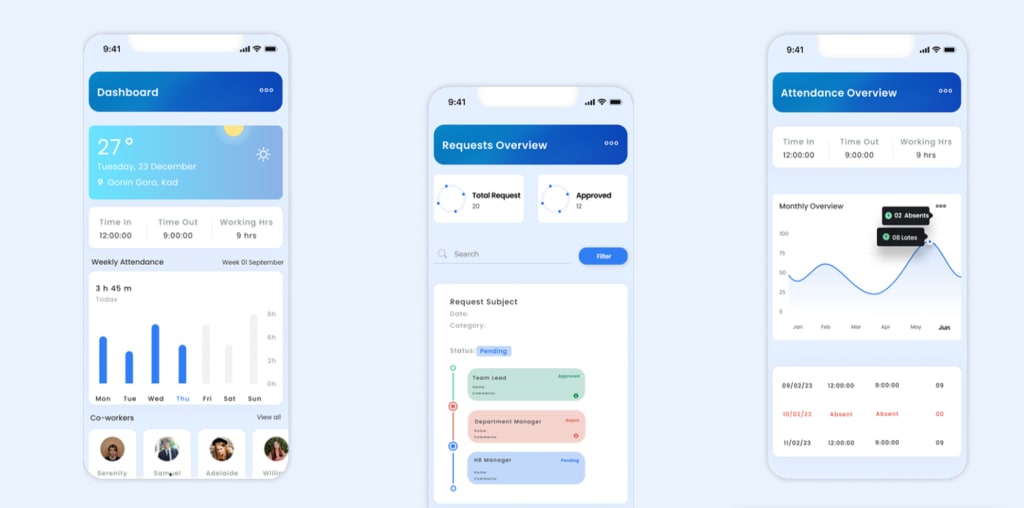
Human Resource Management System: A Modern Necessity**
In today’s fast-paced, digitally driven world, businesses are expected to operate with precision, efficiency, and agility. At the heart of every organization lies its most valuable asset—its people. Managing human capital effectively is no longer a back-office function; it is a strategic priority. This is where a **Human Resource Management System (HRMS)** becomes not just beneficial, but essential.
A Human Resource Management System is a software platform that integrates various HR functions, from recruitment and onboarding to payroll, performance tracking, learning, and compliance. In essence, it serves as the central nervous system for an organization’s HR operations. This article explores why HRMS is a modern necessity, not just a luxury, and how it transforms businesses by optimizing workforce productivity, streamlining processes, and driving organizational growth.
-The Evolution of HR: From Paper to Platforms
Traditionally, human resource tasks were managed manually. Stacks of paperwork, spreadsheets, filing cabinets, and in-person approvals dominated HR departments. This approach was time-consuming, prone to errors, and inefficient in a growing organization.
With digital transformation accelerating across industries, the HR function could no longer afford to lag behind. Companies began adopting HRMS platforms to automate routine tasks and gain insights into their workforce. Today, HRMS is not just a tool; it’s a strategic enabler that empowers HR professionals and managers to focus on what truly matters—people development and organizational success.
Core Functions of a Human Resource Management System
Modern HRMS platforms come with a wide range of features, each designed to address a specific HR challenge. Here are the key modules commonly found in an HRMS:
1. Recruitment and Onboarding
HRMS tools streamline the hiring process by enabling job postings, applicant tracking, resume screening, and interview scheduling from a single interface. Once a candidate is selected, onboarding workflows automate document collection, compliance checks, and training schedules.
2. Payroll and Benefits Administration
Managing payroll manually can be complex and error-prone. HRMS automates salary calculations, tax deductions, and benefits distribution, ensuring timely and accurate payments while maintaining compliance with labor laws.
3. Attendance and Leave Management
By integrating biometric devices or digital timesheets, HRMS helps track attendance, monitor working hours, and manage leave requests without the need for manual tracking.
4. Performance Management
HRMS platforms provide continuous performance monitoring, feedback loops, goal setting, and appraisal cycles. This helps align employee output with organizational objectives.
5. Learning and Development
Many systems come with integrated Learning Management Systems (LMS) that help HR teams plan, implement, and track employee training and development initiatives.
6. Employee Self-Service Portals
These allow employees to update personal information, access payslips, apply for leaves, and track performance, reducing dependency on HR for routine queries.
-Why HRMS Is a Modern Necessity
The adoption of HRMS is no longer limited to large enterprises. Small and medium-sized businesses are also recognizing its value. Here's why:
1. Time and Cost Efficiency
One of the biggest advantages of HRMS is the automation of repetitive tasks. From payroll processing to leave tracking, HRMS saves countless hours of manual work, reducing the risk of errors and allowing HR professionals to focus on strategic initiatives.
2. Improved Decision-Making**
With real-time analytics and customizable reports, HRMS gives leaders access to data-driven insights. This helps in making informed decisions related to hiring, promotions, workforce planning, and employee engagement.
3. Enhanced Employee Experience**
Modern employees expect seamless digital experiences at work, similar to what they experience in their personal lives. HRMS provides a user-friendly platform where employees can manage their profiles, access documents, and track their growth, contributing to higher satisfaction and retention.
4. Scalability and Flexibility**
As organizations grow, so do their HR needs. HRMS platforms are scalable and can adapt to the changing needs of a business, whether it’s adding new modules or managing a geographically dispersed workforce.
5. Legal and Regulatory Compliance**
Labor laws and tax regulations are constantly evolving. HRMS ensures compliance by automating updates, generating audit trails, and managing document retention policies. This reduces the risk of legal complications and financial penalties.
HRMS and Productivity: A Powerful Connection**
When implemented effectively, HRMS directly impacts organizational productivity. Here’s how:
Automated Processes Free Up Time
By automating administrative functions, HR teams save hours each week. Managers spend less time on approvals and more time on coaching, while employees get quicker resolutions to their concerns.
Clear Goal Alignment**
HRMS platforms facilitate better performance tracking and goal setting. Employees understand what is expected of them, and managers can monitor progress in real time, enabling timely interventions and recognition.
Better Communication and Collaboration
Many HRMS platforms include internal communication tools, news feeds, or integrations with platforms like Slack or Microsoft Teams. This fosters transparency, reduces information silos, and keeps everyone aligned.
Talent Development and Retentio
With learning modules and feedback tools, HRMS supports career development and employee engagement. This not only improves skills but also reduces turnover by creating a culture of growth and recognition.
Challenges and Considerations
While the benefits are clear, implementing an HRMS comes with its own set of challenges:
Cost and ROI :Small businesses may hesitate due to upfront costs. However, most modern HRMS offer scalable pricing and cloud-based models that reduce IT overhead.
Change Management: Transitioning from manual processes to a digital system requires training and cultural adaptation.
Data Privacy:** Storing sensitive employee data requires robust security measures and compliance with data protection laws such as GDPR or HIPAA.
Choosing the right HRMS involves assessing your organization’s size, needs, and future growth plans. Leading vendors like Workday, BambooHR, ADP, and Zoho People cater to various business sizes and offer custom solutions.
-
About the Creator
Ejaz Hussain
Email marketing | SEO |Blog
Keep reading
More stories from Ejaz Hussain and writers in Education and other communities.
How HRM System Improves Productivity
In today's fast-paced, tech-driven business landscape, organizations are constantly searching for innovative ways to improve employee productivity. One such game-changing innovation is the Human Resource Management (HRM) system. From automating mundane tasks to offering real-time data insights, HRM systems are redefining how businesses operate and how efficiently employees work. This article delves into the various ways an HRM system enhances productivity across all levels of an organization.
By Ejaz Hussain9 months ago in Education
7 AI Tools That Can Replace Hours of Work in 2026 (And Help You Make Money Online)
Artificial intelligence is no longer just a futuristic idea—it’s quickly becoming one of the most powerful tools for productivity and online income. In 2026, AI tools are transforming how people work, create content, start businesses, and automate daily tasks.
By Majus Jasulaitis7 days ago in Education
Distracted Thoughts
I go for a swim every Sunday morning. I’m not sure why I started there. Probably because that’s where I started thinking about writing this. But that being the case I could quite easily have started when I was looking at the hot honey Jaffa Cakes in Tesco that I hadn’t gone in to buy but had caught my eye en route to the eggs. I slipped towards it then. I suppose I could start from the drive to the massive antique shop or a couple of times when I was in there too, the idea drifted in and out like a desperate jellyfish trying hard not to get stuck on the shore. It has some sense of shape but little direction and every chance of being pecked to bits by angry seagulls. Now I’ll go back to the swimming pool, that is a useful place to start.
By Simon Curtis6 days ago in Education
My First Time Skiing and I Got Lost, Alone, in the French Alps
Looking back, I can trace some of my life’s biggest adventures to a simple action from my sister. She’d introduced me to Tommy (a very long time ago), a colleague of hers, who had overshared his penchant for Italian-looking women, and I ticked that box.
By Chantal Christie Weiss3 days ago in Humans


Comments
There are no comments for this story
Be the first to respond and start the conversation.