
HRMS System: Streamlining Human Resource Operations for the Modern Era
HRM System

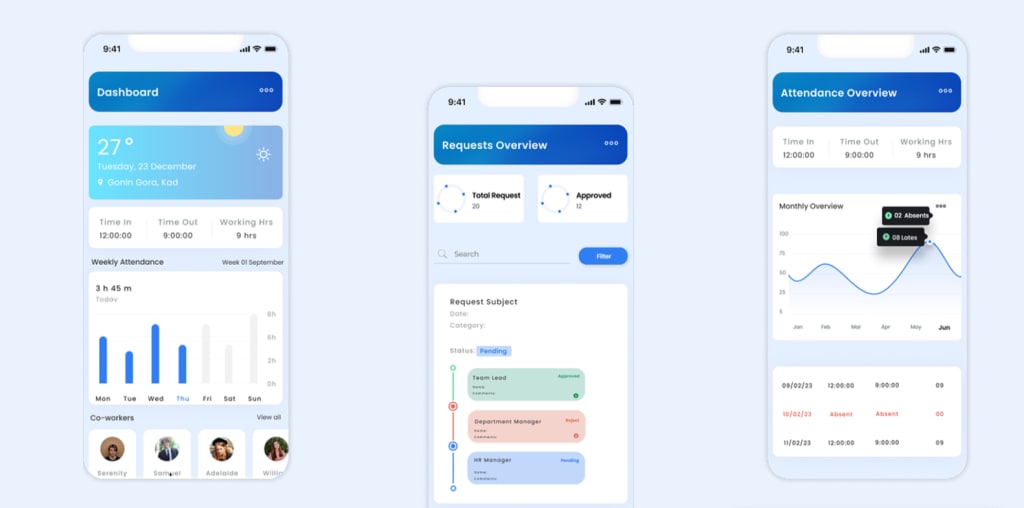
In today’s fast-paced business world, efficiency is everything. Whether it’s hiring new talent, processing payroll, or managing performance reviews, organizations need smart solutions that can keep up with the demands of a digital workforce. That’s where the HRMS system comes in—a powerful tool designed to automate, simplify, and enhance every aspect of human resource management.
An HRMS system (Human Resource Management System) centralizes and streamlines HR operations, enabling companies to manage employee data, track attendance, handle payroll, and much more—all from a single platform.
1. What Is an HRMS System and How Does It Work?
The HRMS system is a comprehensive software platform that automates various human resource functions. It integrates multiple HR processes into a single database and interface, eliminating the need for separate tools and manual work. The result? Improved efficiency, reduced errors, and better decision-making.
Key Components of an HRMS System:
Employee Data Management: Stores and manages all employee records in a secure, digital format.
Time and Attendance: Monitors attendance, working hours, leaves, and overtime.
Payroll and Benefits: Calculates salaries, taxes, bonuses, and generates payslips.
Recruitment Management: Tracks job applicants, interview stages, and hiring status.
Performance Appraisal: Supports goal setting, evaluations, and feedback cycles.
Learning and Development: Manages employee training, certifications, and growth plans.
Self-Service Portals: Allows employees to request leave, view payslips, and update their information.
This integrated approach provides transparency, accountability, and real-time access to critical HR information across the organization.
2. Why Businesses Need an HRMS System in 2025
As companies grow, so do their HR challenges. Managing a small team with spreadsheets might be possible—but as your workforce scales, so does the need for a smarter, more reliable system.
A. Time-Saving Automation
Manual tasks like attendance logging, benefits calculations, and compliance checks consume hours of HR time. With an HRMS, these are completed in minutes—accurately and automatically.
B. Better Accuracy and Fewer Errors
Payroll errors and incorrect leave balances can erode employee trust. An HRMS system ensures accurate data handling, reducing human error and ensuring consistency.
C. Informed Decision-Making
With advanced analytics and customizable reports, HR managers can identify trends in hiring, performance, turnover, and more. These insights drive smarter business decisions.
D. Increased Employee Satisfaction
When employees can easily request leave, access their documents, or get performance feedback through a user-friendly system, their satisfaction improves. An HRMS helps create a more engaged and empowered workforce.
E. Stronger Compliance and Security
Labor laws, tax regulations, and workplace policies are constantly evolving. HRMS systems come with built-in compliance tools and audit trails to help organizations stay on the right side of the law.
3. Steps to Implementing the Right HRMS System
Implementing an HRMS system is a big step—but when done right, it leads to transformative results. Here’s how to approach the implementation process.
Step 1: Define Your Goals
Ask yourself what you hope to achieve with the HRMS. Is it better payroll accuracy? Faster onboarding? Improved employee engagement? Having clear goals will guide your vendor selection.
Step 2: Choose the Right Solution
Look for an HRMS that:
Fits your company size and structure
Offers modules relevant to your needs
Is cloud-based for remote access
Ensures data security and privacy
Offers good customer support and training
Step 3: Prepare Your Team
Communicate the purpose and benefits of the system to your HR team and employees. Provide training sessions, user manuals, and support resources.
Step 4: Migrate Data Carefully
Clean your existing data before importing it into the HRMS system. Ensure accuracy to avoid future complications.
Step 5: Monitor Usage and Gather Feedback
Post-launch, keep track of how the system is being used. Ask for feedback from HR staff and employees to identify areas for improvement.
Conclusion: The HRMS System Is the Foundation of Modern HR
As the business landscape becomes more competitive and employee expectations continue to rise, efficient human resource management is no longer optional—it’s essential. The HRMS system is not just a software tool; it’s the engine that drives your organization’s people strategy.
About the Creator
Ejaz Hussain
Email marketing | SEO |Blog
Keep reading
More stories from Ejaz Hussain and writers in Education and other communities.
HRMS System Essentials: A Smarter Way to Manage Your Workforce
Human Resource departments are no longer limited to handling payroll or managing leave requests. Today, HR plays a strategic role in driving business growth, enhancing employee engagement, and fostering a strong organizational culture. To meet these rising demands, companies are turning to a transformative tool: the HRMS system.
By Ejaz Hussain9 months ago in Education
Generosity Without Boundaries: Advancing Equity Through Philanthropy
Philanthropy has always played a meaningful role in shaping societies and improving the lives of individuals in need. From supporting educational programs to funding healthcare initiatives, acts of giving have helped communities overcome many challenges. In today’s diverse world, however, philanthropy is taking on a deeper purpose. It is increasingly focused on equity—ensuring that resources and opportunities are distributed fairly among people from different backgrounds and circumstances.
By John Olin Killgore3 days ago in Education



Comments
There are no comments for this story
Be the first to respond and start the conversation.