
HRMS System Essentials: A Smarter Way to Manage Your Workforce
HRMS

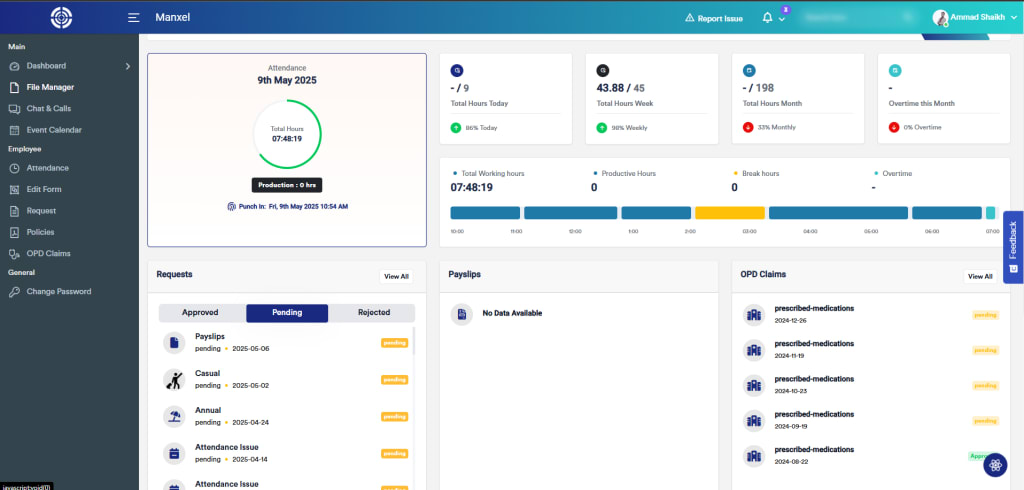
Human Resource departments are no longer limited to handling payroll or managing leave requests. Today, HR plays a strategic role in driving business growth, enhancing employee engagement, and fostering a strong organizational culture. To meet these rising demands, companies are turning to a transformative tool: the HRMS system.
A Human Resource Management System (HRMS) is more than just software—it’s an integrated platform that brings structure, automation, and intelligence to every HR function. From hiring and onboarding to payroll and performance tracking, the HRMS system ensures efficiency, accuracy, and compliance at every level.
1. The HRMS System: What It Is and Why It Matters
The HRMS system is a digital solution designed to manage all aspects of the employee lifecycle. It replaces manual spreadsheets, disconnected tools, and time-consuming paperwork with a centralized platform that supports HR teams, employees, and business leaders.
Key Modules of an HRMS System:
Recruitment & Applicant Tracking: Simplifies the hiring process, tracks candidates, and automates interview scheduling.
Onboarding: Ensures smooth employee integration with welcome kits, task lists, and documentation.
Employee Information Management: Centralized storage of job roles, contracts, IDs, contact info, and history.
Attendance and Leave: Real-time tracking of working hours, holidays, and absences.
Payroll and Taxation: Automated salary calculations, deductions, tax compliance, and payslip generation.
Performance Management: Goal setting, feedback, appraisals, and career development plans.
Training and Learning: Assigns courses, tracks completion, and supports continuous professional development.
Employee Self-Service: Allows employees to manage their own data, submit requests, and track status without HR intervention.
By integrating all of these into a single system, businesses reduce redundancies, improve transparency, and ensure smoother collaboration between departments.
2. Core Benefits of Implementing an HRMS System
Implementing an HRMS system isn’t just a tech upgrade—it’s a strategic move that supports business growth and agility.
A. Time and Cost Savings
Automation of routine tasks like payroll, leave management, and document handling significantly reduces manual workloads. This enables HR staff to focus on strategic initiatives such as talent retention and culture building.
B. Greater Accuracy and Reduced Risk
HR processes involve sensitive data. Mistakes—whether in salary calculations or employee contracts—can be costly. An HRMS system minimizes errors through automated processes, audit trails, and rule-based logic.
C. Enhanced Employee Experience
Modern employees expect instant access to information and seamless digital interactions. With an HRMS, employees can easily check attendance, download payslips, apply for leave, or access training modules from anywhere.
D. Real-Time Insights for Better Decisions
An HRMS system provides dynamic dashboards and analytics tools that give HR and leadership access to valuable data—turnover rates, absenteeism trends, salary costs, and more. These insights help guide workforce planning and strategic HR decisions.
E. Simplified Compliance
Labor laws, tax rules, and industry regulations change frequently. HRMS systems are updated regularly to reflect these changes, reducing the risk of non-compliance and legal penalties.
F. Scalability and Flexibility
Whether you’re managing 50 or 5,000 employees, the right HRMS can scale with you. Modules can be added or customized as your business evolves, ensuring long-term usability.
3. Implementing an HRMS System: Best Practices for Success
Introducing a new HRMS system requires planning, collaboration, and commitment. Here’s how to ensure a successful rollout.
A. Evaluate Your Needs
Before selecting a system, define your pain points:
Is your payroll error-prone?
Is your onboarding process disjointed?
Are your employees frustrated by outdated systems?
Use these issues to guide your feature priorities.
B. Choose the Right Vendor
When selecting an HRMS provider, consider:
Ease of use
Data security and compliance standards
Customization options
Mobile access
Integration with tools like ERP, CRM, or accounting software
Customer support and training resources
Ask for demos, read reviews, and compare pricing structures carefully.
C. Engage Stakeholders Early
HRMS implementation affects everyone—from executives to interns. Get buy-in from all stakeholders, including HR, IT, finance, and end-users. Their feedback will help you tailor the system for success.
D. Clean Your Data
Before migrating, audit your current employee records. Remove duplicates, correct errors, and ensure all necessary fields are complete. Clean data makes the transition smoother.
E. Provide Training and Support
Create a structured training plan with user guides, video tutorials, and live support. Offer Q&A sessions and encourage feedback to build confidence among users.
F. Monitor and Improve
After launch, track usage and system performance. Use analytics to measure time saved, error reduction, and employee satisfaction. Update workflows and training based on insights.
Conclusion: The HRMS System Is the Future of HR
The workplace is evolving, and so should your HR processes. Whether your team is remote, hybrid, or in-office, managing human resources efficiently is no longer optional—it’s essential.
A modern HRMS system empowers businesses to not only manage employees more efficiently but also to build stronger cultures, make better decisions, and grow without barriers. It turns HR from a cost center into a value-driving force within the organization.
About the Creator
Ejaz Hussain
Email marketing | SEO |Blog
Keep reading
More stories from Ejaz Hussain and writers in Education and other communities.
HRMS System: Empowering HR for the Digital Age
HRMS System: Empowering HR for the Digital Age Human Resource departments are no longer limited to handling payroll or managing leave requests. Today, HR plays a strategic role in driving business growth, enhancing employee engagement, and fostering a strong organizational culture. To meet these rising demands, companies are turning to a transformative tool: the HRMS system.
By Ejaz Hussain9 months ago in Education
The Impact of Virtual Reality on Healthcare Innovation and Medical Practice
Virtual reality is steadily transforming the healthcare industry by offering immersive digital environments that support medical education, treatment planning, and patient care. Unlike traditional tools, VR allows healthcare professionals to interact with highly detailed simulations that replicate real medical situations. These interactive experiences provide opportunities for learning and preparation that were previously difficult to achieve through conventional training methods.
By Alex Kipman4 days ago in Education
Why the Sun Will Become a Red Giant: The Future of Our Solar System Explained
Every morning, the Sun rises as it has for billions of years, bathing Earth in light and warmth. To us, it feels permanent and unchanging. Yet in the vast timeline of the universe, the Sun is only halfway through its life.
By shahkar jalal2 days ago in Education




Comments
There are no comments for this story
Be the first to respond and start the conversation.