
How Warehousing Reduces Costs in Freight Forwarding Operations
This article will discuss the Warehousing Reduces Costs in Freight Forwarding Operations
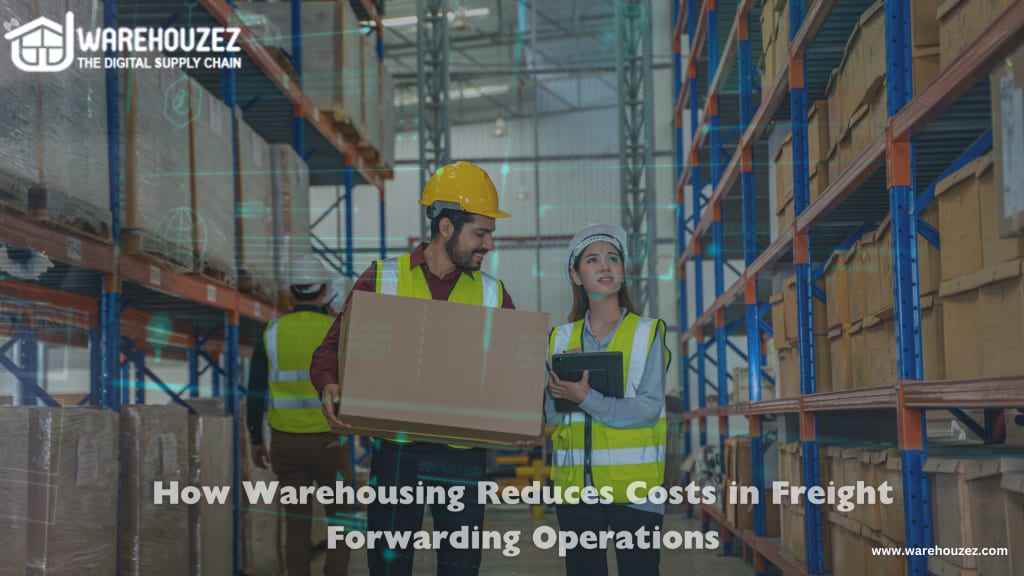
In the world of logistics, freight forwarding operations can become quite complex and costly. From transportation to inventory management, every step in the supply chain involves a potential expense. One of the most effective ways companies can reduce these costs is through efficient warehousing. A well-managed warehouse can save significant amounts of money, streamline operations, and ultimately contribute to the profitability of freight forwarding businesses.
But how exactly does warehousing help reduce costs in freight forwarding? Let’s explore the various ways in which effective warehousing practices can cut down expenses and improve the bottom line.
The Role of Warehousing in Freight Forwarding
At its core, warehousing is about managing the storage of goods until they are ready to be transported. However, the role of a warehouse goes far beyond mere storage. Modern warehouses are equipped with technologies and strategies designed to maximize efficiency and minimize costs throughout the entire logistics process.
By integrating inventory management, transportation coordination, and real-time tracking, warehouses become a pivotal part of reducing freight forwarding costs.
1. Reduced Transportation Costs
Transportation is one of the most significant expenses in freight forwarding. By utilizing an optimized warehousing strategy, businesses can significantly cut transportation costs. Here’s how:
Strategic Location of Warehouses
The location of a warehouse can impact transportation expenses greatly. Warehouses located near major transportation hubs or key customer markets allow companies to consolidate shipments and reduce the number of miles traveled. This, in turn, cuts down on fuel costs, shipping fees, and delivery times.
Consolidation of Shipments
In a warehouse, goods from multiple suppliers can be stored together, and shipments can be consolidated before being sent to their final destinations. This reduces the number of partial or less-than-truckload (LTL) shipments, which can be more expensive compared to full truckload (FTL) shipments.
Optimized Loading and Route Planning
Modern warehouses use technologies like AI and real-time data to optimize loading processes and plan more efficient transportation routes. By reducing the number of trips required to move goods and selecting the best routes, freight forwarders can minimize fuel consumption and reduce costs.
2. Inventory Management and Reduction of Stock outs
Another major way warehousing helps reduce costs is by improving inventory management. Poor inventory control can lead to stock outs, overstocking, and excess handling costs, all of which can negatively affect a company’s finances.
Just-in-Time Inventory
Modern warehousing techniques, including just-in-time (JIT) inventory, allow businesses to stock only what’s needed for immediate shipments. By aligning inventory levels with actual demand, companies can reduce storage costs and avoid overstocking, which leads to wasted space and resources.
Real-Time Inventory Tracking
Many warehouses now utilize RFID technology or barcode scanning to track inventory in real time. This enables more accurate forecasting and reduces the risk of running out of stock, which could lead to emergency shipments or delays in fulfilling orders. With better visibility into stock levels, businesses can make more informed purchasing and shipping decisions, which ultimately reduces the cost of keeping inventory.
3. Improved Labor Efficiency
Labor costs are another significant factor in the freight forwarding process. Efficient warehousing practices can help reduce these costs by optimizing workflows and increasing productivity.
Automation and Robotics
Incorporating automation and robotics into warehouse operations can eliminate time-consuming manual tasks such as picking, packing, and sorting. Automated systems reduce the need for large workforces and speed up operations, thus lowering labor costs while maintaining or even improving accuracy. For example, automated guided vehicles (AGVs) and robotic arms can perform repetitive tasks more efficiently than human workers, saving time and reducing labor expenses.
Warehouse Management Systems (WMS)
A WMS can significantly improve labor efficiency by streamlining processes, tracking productivity, and assigning tasks based on real-time data. By automating inventory control, order picking, and shipping, a WMS reduces errors and ensures that workers are spending time on high-priority tasks, ultimately leading to a more efficient warehouse environment and lower labor costs.
4. Reduction in Handling and Storage Costs
Efficient warehousing can reduce handling and storage costs in several ways, which is particularly beneficial for freight forwarding operations where margins can be tight.
Optimized Space Utilization
Smart warehouse designs make the most of available space by using techniques like racking systems and vertical storage. This means businesses can store more goods in less space, reducing the cost per unit stored. Optimized storage layouts also enable faster picking and packing, which speeds up the entire operation and reduces handling costs.
Cross-Docking
Cross-docking is a warehousing strategy where goods are directly transferred from incoming to outgoing transportation, with minimal storage time. This reduces the need for long-term storage, lowers inventory holding costs, and speeds up delivery times. By implementing cross-docking, freight forwarders can cut down on handling and storage costs, making the supply chain more efficient.
Bulk Purchasing and Storage
By purchasing products in bulk and storing them in a warehouse, businesses can take advantage of lower per-unit costs and avoid frequent, expensive small shipments. Warehouses enable businesses to manage bulk inventory efficiently, reducing the need for costly expedited shipments.
5. Minimizing Errors and Losses
Inaccurate inventory management, misplacements, and damage during handling can all lead to additional costs. By implementing automated systems, tracking devices, and real-time updates, modern warehouses minimize the risk of errors.
Automation for Accuracy
Automated systems reduce human error, ensuring that goods are accurately stored, picked, and shipped. When mistakes are minimized, the costs associated with returns, replacements, and re-shipping are significantly lower.
Damage Prevention
Smart warehouses use advanced systems to handle inventory carefully. With automated systems in place, items are less likely to be damaged during storage and transit. Properly managing fragile goods and using the right equipment for heavy or awkward items helps reduce the likelihood of costly damage.
6. Enhanced Customer Satisfaction and Retention
Warehousing not only reduces operational costs but also plays a role in enhancing customer satisfaction. Timely deliveries, accurate orders, and efficient returns management are key factors that improve customer loyalty, which in turn helps businesses reduce costs related to customer churn and acquisition.
When customers are satisfied, businesses experience fewer returns, more repeat orders and less customer service-related overhead, ultimately lowering overall operational costs.
Conclusion
Efficient warehousing is a vital component in reducing costs throughout freight forwarding operations. From optimizing transportation expenses to minimizing labor costs and improving inventory management, smart warehousing practices directly contribute to a more cost-effective supply chain. By leveraging automation, real-time tracking, and other technologies, businesses can save significant amounts on storage, handling, and shipping costs. As the logistics industry becomes more competitive, incorporating these cost-saving strategies will be key for companies looking to stay ahead.
About the Creator
Keep reading
More stories from Warehouzez Digital Initiatives and writers in Education and other communities.
Public vs. Private Warehouse Services: Which One Fits Your Business?
Introduction As businesses grow, the need for efficient storage and distribution systems becomes essential. One of the key decisions businesses face is whether to choose public or private warehousing services. The decision largely depends on the size, budget, and operational needs of the business. In this article, we will compare public and private warehouses, highlighting the pros and cons of each, and help you determine which one fits your business.
By Warehouzez Digital Initiativesabout a year ago in Trader
Best Laptop for Pro Tools
If your Pro Tools session ever freezes mid-recording, crackles during playback, or struggles with heavy plug-ins, that’s not your skills, that’s your laptop holding you back. Pro Tools needs serious power, stable performance, and good cooling to run smoothly.
By Projectorsea6 days ago in Education
Back to the Roots: Why Tailwheel Skills Continue to Shape Better Pilots
Modern cockpits often feature advanced avionics, automation, and tricycle landing gear that simplifies ground handling. However, tailwheel aircraft still occupy an important place in aviation training and culture. Tailwheel training demands precision, coordination, and constant awareness, which is why this endorsement continues to matter. By challenging pilots in unique ways, tailwheel aircraft build skills that translate directly into safer and more confident flying.
By Duke Valentour3 days ago in Education


Comments
There are no comments for this story
Be the first to respond and start the conversation.