
How to Tackle Work-Life Spillover for Teachers in K-12 Schools
Teacher AI Assistant - TAIA
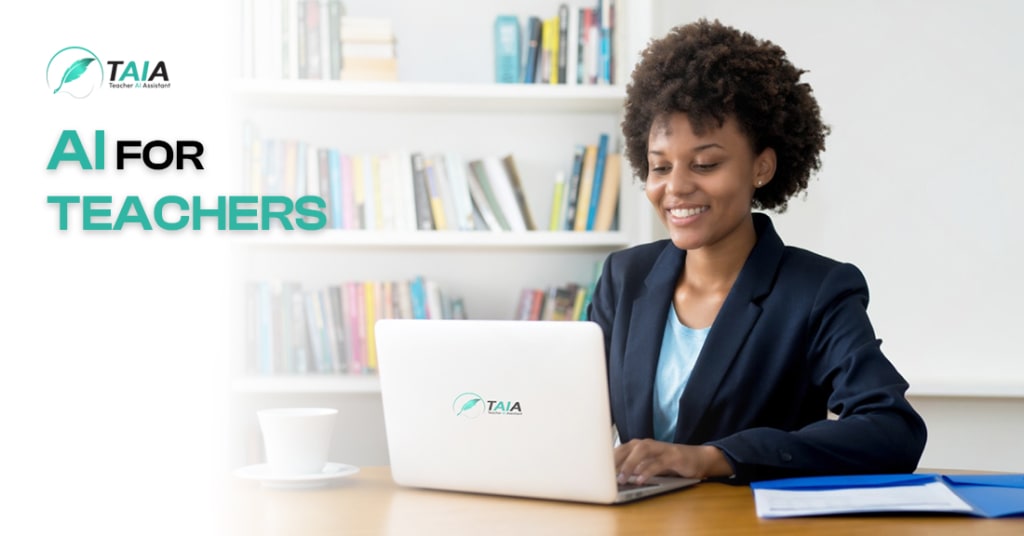
Have you ever wondered why so many talented teachers walk away from their classrooms? What if the problem is not their passion, but a system that pushes their work into every evening, weekend, and holiday?
Teachers are the backbone of K–12 schools, yet they carry impossible workloads that steal their family time and drain their energy. Lesson planning, grading, and adapting to endless curriculum updates follow them home every single day. This harmful pattern is called work-life spillover.
What exactly does work-life spillover mean?
Work-life spillover means school work goes into personal time. Teachers often keep working at night. They use weekends to finish grading. During these extra working hours, they try hard to:
- Prepare lesson plans
- Update lesson materials
- Communicate with parents
- Grade student assignments
- Handle student behavior reports
- Research new teaching strategies
- Attend online meetings or trainings
- Plan classroom activities or projects
The Hidden Reality
In the United States, educators in K-12 schools in US work more hours than many people think. They spend about 8 hours in school and then 2 or 3 more hours at home. This workload grows even heavier during certain times of the school year, such as:
- School events
- Parent-teacher meetings
- Report card creation time
- Student discipline meetings
- Standardized testing weeks
- After-school clubs or coaching
This cycle is harmful because educators do not get enough rest, and their personal lives suffer as a result.
Impacts on Teacher Well-Being
Many national surveys have revealed just how widespread and damaging this problem has become in recent years. The Pew Research Center polled over 2,500 U.S. public K‑12 educators in early 2024 and found that 77% said their job was frequently stressful, and 68% said it felt overwhelming. This chronic stress harms both personal and professional lives in many ways, such as:
- Chronic stress creates feelings of helplessness
- Burnout can lead to emotional exhaustion and a loss of motivation
- Family relationships suffer when loved ones spend little quality time together
- Financial strain grows when schools have to recruit and train new employees
- Communities lose trusted mentors when experienced staff leave because of overload
- Health problems like headaches, poor sleep, and high blood pressure become more common
What Policies Exist?
Schools serving K-12 in the US implement measures to protect staff from burnout. They create policies to support work-life balance and teacher well-being. These measures give teachers fair chances to rest and handle their tasks. Examples of these policies are:
- Duty-free lunch breaks
- Sick leave and personal leave
- Set working hours in contracts
- Planning and preparation time (PPA)
These policies offer some relief. They show that schools understand the pressures on educators. However, they are not always enough to stop stress or overtime. Many teachers still struggle to keep a healthy boundary between work and personal life.
These Policies Fall Short.
Many teachers still get asked to reply to messages after school. Some lose their planning periods because they have to cover supervision duties. Right-to-disconnect rules are rare in the United States, so teachers are still expected to be available at all times. This constant demand makes it hard for them to fully benefit from the existing policies.
- Evident Loopholes
- Although some supports exist, key protections are still missing, like:
- Large class sizes continue to stretch workloads
- No clear national law limits after-hours communication
- Planning time is often too short to cover lesson design and grading
- These missing protections leave staff vulnerable to burnout because they still face long hours and constant demands.
AI For Teachers is Helpful.
Artificial intelligence can support teachers at large. It can manage energy-inhibiting tasks. Teachers, as a result, can spare enough time for personal interactions with students.
AI-Powered Planners
Such planners can suggest standards-aligned lessons. Also, they upload plans to different academic platforms. The most realistic instance of AI educational tools is that of Teacher AI Assistant (TAIA). It automates the repetitive process of uploading lesson plans. It can even route your handwritten plans directly to platforms like Canvas, VHL Central, or Atlas.
What Other Countries Do
Many countries have developed thoughtful policies to respect teachers’ time and set fair boundaries for a sustainable academia. These efforts often include laws that define working hours and cultural shifts that place trust in educators. For instance;
Finland
Finnish educators enjoy less teaching hours compared to other European countries. Collaborative planning time is built into their workweek. Because of it, the teaching staff share ideas and coordinate lessons effectively.
Japan
The country has long faced concerns about teacher overwork. To deal with it, the academia introduced “work style reforms” to cut down on excessive overtime. These new regulations acknowledge the toll that overwork takes on their health and age healthier work hours.
France
Instructors benefit from clear labor laws that protect their off-duty time. According to these laws, there is no need to respond to work messages after school hours. By respecting teachers’ time away from work, the education system helps staff recharge and maintain a healthier work-life balance.
Lessons for the U.S.
These countries prove that a strong education system does not require teachers to sacrifice their personal lives. Protecting teachers’ time through reasonable working hours, reduced after-hours demands, and trust in their professionalism can lead to higher job satisfaction and better student outcomes.
The “Hero Teacher” Narrative
The modern mass media portray teachers as tireless heroes who give up their personal lives for students. These stories show them working long days and nights. This image can pressure educators to believe they must be superhuman. And they may feel guilty about taking breaks, setting boundaries, or asking for help.
A survey by the Education Support Partnership found that 75% of instructors are all the time stressed because they believe they are not doing “enough.”
A Better Story
Instead, the American academia needs to celebrate realistic and healthy images of educators. A strong educator is not constantly worn out. A rested and healthy teacher can give more to students and work sustainably over time. Rest and recovery must be taken as signs of professionalism, not weakness.
End Note
Work-life spillover is a serious problem. Instructors continue working after school hours, which affects both their health and family relationships. Because of teacher burnout, students also lose out on quality learning experiences.
To address this challenge, supportive policies are essential. For example, schools should protect lesson planning time and keep class sizes manageable. At the same time, AI tools for teachers provide valuable assistance by taking over time-consuming responsibilities. When schools practice fair policies and integrate smart technology, they can transform the teaching profession for the better.
About the Creator
Teacher AI Assistant - Best AI Tools for Teacher in USA
TAIA, built by teachers for teachers, empowers educators by automating lesson plan integration into tech platforms-saving hours of data entry and research so you can focus more on teaching and creativity.
https://www.taiaportal.com
Keep reading
More stories from Teacher AI Assistant - Best AI Tools for Teacher in USA and writers in Education and other communities.
Why District Schools should Invest in AI Tools for Teacher
In the American education system, teacher burnout rates have reached alarming levels, with over 44% of educators reporting high daily stress. And 76% of educators shared that their job has had negative impacts on their mental health. Meanwhile, administrative tasks consume an average of 20 hours per week of teaching time. These are the same hours that could be spent on student engagement and professional development. A key solution involves AI tools for teachers that can shoulder the administrative burden.
By Teacher AI Assistant - Best AI Tools for Teacher in USA8 months ago in Education
Guiding While Growing: How Mentorship Shapes Modern Leadership
Leadership today looks very different from what it did a generation ago. Authority alone is no longer enough to inspire trust, loyalty, or growth. The most effective coaches understand that leadership is not about standing above others but about growing alongside them. Mentorship has emerged as one of the most powerful expressions of leadership, especially when coaches are willing to remain learners themselves.
By Thomas Kuriakose, MD7 days ago in Education
Stock Screener vs Manual Stock Analysis: Which Works Better?
Finding the right stocks in a crowded market is a challenge for every investor. With thousands of publicly traded companies and constant price fluctuations, investors rely on different methods to narrow down opportunities. Two of the most common approaches are using a stock screener and performing manual stock analysis. While both aim to identify profitable investments, they differ significantly in speed, depth, and practicality. Understanding how each method works can help investors choose the right approach—or combination—for their trading and investment goals.
By Alven Smithabout 23 hours ago in Education
The Blue Ridge Stalker
Tom had left the Ford down the way, its spark plugs finally exhausted and no mechanics for a dozen miles back through the foothills to Strossburg. No matter, he had worn his boots—almost as if he planned for this to happen. The puzzle he sought to solve emanated from the woods clinging to the slopes above; the valley behind held no mysteries.
By Stephen A. Roddewig6 days ago in Fiction




Comments
There are no comments for this story
Be the first to respond and start the conversation.