
How to Stop Bad Dreams and Improve Sleep Quality:
How to Stop Bad Dreams:

How to Stop Bad Dreams
Many people experience bad dreams or nightmares at some point in their lives, which can disrupt sleep and leave them feeling anxious or unsettled upon waking. While occasional bad dreams are normal, recurring ones can indicate underlying stress, anxiety, or other factors affecting sleep quality. Here are several strategies to help you reduce the occurrence of bad dreams and improve your overall sleep experience:
1. Establish a Relaxing Bedtime Routine:
Creating a consistent and soothing bedtime routine signals to your body that it's time to unwind and prepare for sleep. Activities such as reading a book, taking a warm bath, or practicing relaxation techniques like deep breathing or meditation can help calm your mind and reduce stress levels before bed.
2. Monitor Your Diet and Lifestyle Habits:
What you eat and drink, as well as your lifestyle choices, can significantly impact your sleep quality and the likelihood of experiencing bad dreams. Avoid heavy or spicy meals, caffeine, and alcohol close to bedtime, as these substances can disrupt sleep patterns. Regular physical exercise during the day can promote better overall sleep but avoid vigorous activity too close to bedtime.
3. Create a Comfortable Sleep Environment:
Your sleep environment plays a crucial role in the quality of your sleep. Make sure your bedroom is cool, dark, and quiet, and invest in comfortable bedding and a supportive mattress. Eliminate distractions such as electronic devices and excessive noise that may interfere with your ability to fall asleep and stay asleep.
4. Address Stress and Anxiety:
Stress and anxiety are common triggers for bad dreams. Finding healthy ways to manage stress during the day, such as practicing yoga, mindfulness meditation, or engaging in hobbies you enjoy, can help alleviate anxiety levels and promote better sleep. Consider talking to a therapist or counselor if you find yourself frequently overwhelmed by stress or anxiety.
5. Limit Exposure to Stimulating Content Before Bed:
The content you consume before bedtime can influence your dreams. Avoid watching or reading disturbing or frightening material, particularly close to bedtime. Instead, opt for calming and positive activities that help promote a sense of relaxation and well-being.
6. Try Imagery Rehearsal Therapy (IRT):
IRT is a therapeutic technique where you mentally rewrite the script of your bad dream during waking hours. By visualizing a different, more positive outcome or scenario, you can reduce the emotional impact of the dream and potentially change its recurring nature. This technique helps to empower you to face and modify your dream content actively.
7. Practice Lucid Dreaming Techniques:
Lucid dreaming involves becoming aware that you are dreaming while you are still in the dream state. Learning and practicing lucid dreaming techniques can give you the ability to consciously change the course of your dreams or wake yourself up if you find yourself in a distressing situation. Techniques such as reality checks and keeping a dream journal can aid in increasing your awareness and control over your dreams.
8. Seek Professional Help if Needed:
If bad dreams persist despite trying these strategies, or if they significantly impact your daily life or sleep quality, it may be beneficial to seek professional help from a healthcare provider or a sleep specialist. They can assess any underlying issues contributing to your bad dreams and recommend appropriate treatment options, such as cognitive-behavioral therapy for insomnia (CBT-I) or medications if necessary.
By incorporating these strategies into your daily routine and lifestyle, you can help reduce the occurrence of bad dreams and improve the quality of your sleep. Remember that sleep is essential for overall health and well-being, and addressing any concerns or difficulties you have with sleep can lead to better physical, mental, and emotional health outcomes.
About the Creator
AYO
Driven by passion and purpose, I’m on a mission to inspire others to reach their fullest potential. With a background I believe that every challenge is an opportunity for growth. My journey has taught me the importance of resilience....
The Forgotten Musician Great Story:
The Forgotten Musician In the heart of a bustling city, where the sounds of traffic and voices mingled into a constant hum, there lived a musician named Isaac. He was not like other musicians who sought fame or fortune. Isaac played solely for the joy of music itself.
By AYO2 years ago in Motivation
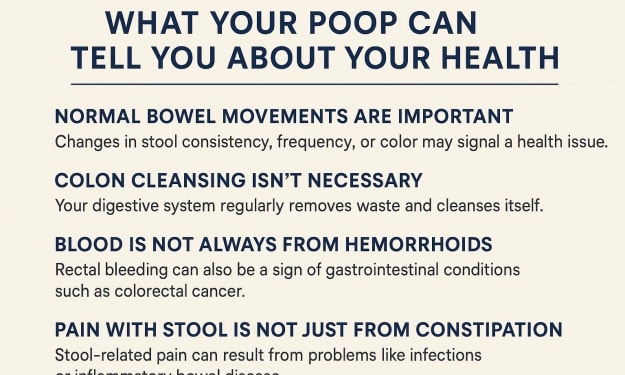
What your poop can tell you about your health
The average person poops out approximately 11,030 kilograms of cumulative waste. That's the equivalent of more than six SUVs. Now, oftentimes, that poop is brown. But why is that, considering all the colorful comestibles one consumes? And what's going on when poop appears in different colors and textures? Say you’re eating a beautiful, rainbowy salad. Your teeth and saliva first help break down the food and add lubrication. Each bite enters your esophagus and sequential muscle contractions push it towards your stomach.
By Munesh Yadavabout 14 hours ago in Education
What’s the Difference Between Utility Tokens and Security Tokens for Businesses?
Since then, as blockchain tokenization has shifted from an experimental fundraising approach to a serious consideration for many startups and established firms, which utilize the issue of tokens as a mechanism of raising funds, incentivizing user behavior, decentralizing existing platform ecosystems, and creating new digital marketplaces, a key question has centered on the difference between a utility token and a security token. It's not just semantic, it determines how a token can be sold, who can buy it, how it can be traded, and what obligations a business must take on under law.
By Henry james2 days ago in Education



Comments
There are no comments for this story
Be the first to respond and start the conversation.