
How to Retain Major Donors with Effective Management Tools
In order to attain fundraising goals, it is crucial for nonprofit organizations to get help from major donors, as they make up a large percentage of the funding

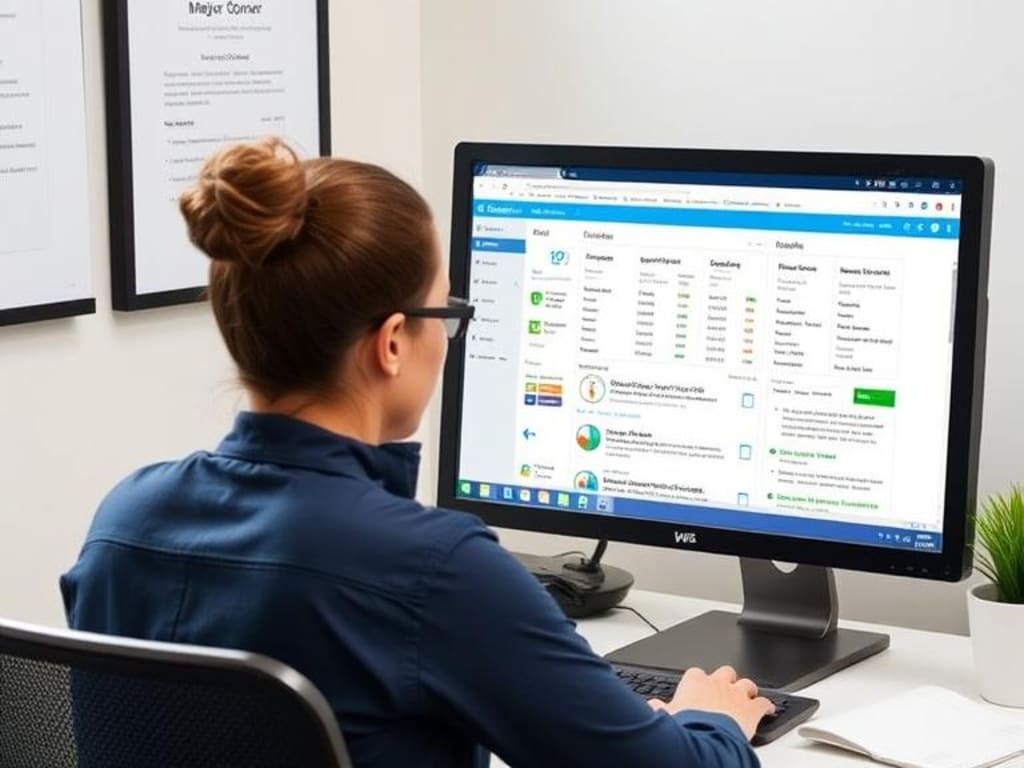
In order to attain fundraising goals, it is crucial for nonprofit organizations to get help from major donors, as they make up a large percentage of the funding. Retaining donors becomes crucial because major donors are needed for future goals as well. Engagement with major donors is something that needs to be managed using proper communication and relationships. In this case, donor management tools can help significantly. These tools can assist with tracking your interactions and donor history so that retention strategies can be improved.
In this guide, we focus on assisting you with how to retain major donors using management tools and strategies.
Understanding Major Donor Retention
Why Retaining Major Donors Matters
Retaining major donors is paramount as they tend to offset a considerable portion of financial cuts, which need to be filled out. Implementing donor management strategies for nonprofits can help maintain strong relationships, ensuring continued support. Letting go of a major donor can spell disaster in financial gaps, in simple words.
Common Reasons Why Donors Stop Giving
- Improve Personalized Communication.
- Properly Appreciate Donor's Contributions.
- Improve Donor Stewardship.
- Use Clearer and Goal-Oriented Donations.
- Engage With Your Audience Consistently.
Key Factors That Influence Donor Loyalty
- Have Strong Relationships with Nonprofit Agencies Leaders.
- Engage Nonprofits Own Impact Regularly.
- Create Targets for Donor Engagement.
- Recognize and Appreciate Donor's Contributions.
Essential Donor Management Tools
What Are Donor Management Tools?
These tools can widely be defined as platforms or software that assist Nonprofits with tracking their donors, communicating and retaining them. Along with other desired functionalities, these tools help non-profits store donor data, manage communications and track giving patterns.
These are Important Aspects to Consider When Choosing a Donor Management System:
- Donor Database: Keeps record of contactable donors, their donations, and their history.
- Automation Tools: Set up automated emails, reminders, and follow-ups.
- Segmentation: Sorts donors by the rate and size of their donations.
- Personalization: Customizes messages and reports before sending.
- Analytics and Reporting: Analyzes engagement and retention of donors.
- Integration: Links with email marketing, CRM, and fundraising tools.
Top Tools for Managing Donors with a Focus on Retention
1. Bloomerang
- Effective tracking of donor engagement.
- Automated follow-up engagements and impact reports.
- Retention insights backed by data.
2. Raiser's Edge NXT
- Web-based donor management system.
- AI analytics based on donor trend data.
- All-in-one communication tools.
3. Neon CRM
- Features donor segmentation.
- Manages events and fundraising.
- Automation of email engagements and personalizations.
4. Donorbox
- Easy tracking of donations from multiple users.
- Customizable communication with donors.
- Manages recurring donations.
5. Kindful
- Fundraising and accounting tool integration.
- Tracking and reporting of donor activities.
- Automated outreach for soliciting donations.
Managing Tools for Retaining Donor Attention

Monitoring donor engagement and giving patterns
- Using CRM tools, track donor activities.
- Look for patterns in the frequency and size of donations.
- Modify donor strategies based on behaviour patterns.
Automating communication and follow-up
- Automated thank-you emails.
- Scheduled reminders to follow up with major donors.
- Personalize messages and communications based on donor history.
Personalizing the interaction with the donor
- Use their name when communicating with them.
- Send customized reports outlining donation usage
- Create special engagement options, such as VIP functions
Managing Donor Data and Insights
- Refresh records for existing donors for accuracy
- Employ AI-driven retention strategy insights
- Monitor donor lifetime value to assess impact over time
Best Methods of Keeping Major Donors
Establishing Relationships Over an Extended Period
- Allocate a manager for relations to important donors
- Give them exclusive networking chances
- Send regular updates on changes happening in the organization to all donors
Hosting Exclusive Events and Giving Personalized Attendance
- Hold participants in significant donations, private meetings/luncheons
- Provide project walkthroughs
- Allow for active participation
Thanking Donors with Impact Reports and other Forms of Appreciation
- Send customized appreciation letters
- Disseminate the narrative of success and accompanying testimonials
- Indicate donors’ names in newsletters or annual reports
Engaging Donors with Tailored Campaigns
- Construct campaigns around specific donor interests
- Present an opportunity for matching gift donations
- Enlist the donor in campaign formulation and implementation
Measuring Donor Retention Success
Important Aspects to Observe Relative To Donor Retention
- The percentage of received donations in comparison with the donors who offer subsequent donations is known as the Donor Retention Rate.
- Lifetime value detailing the total donations throughout the time a donor is engaged is known as LTV.
- Count of times the donor takes action on received email invites to events and organization updates is termed as the Engagement Rate.
- The growth percentage with respect to time delays in donation amounts is termed the Donation Growth Rate.
Using Data Analysis to Enhance Donor Involvement
- Track where donors abandon donations
- Change how often communication occurs based on how the donor reacts
- Be sure to try out different approaches with the hopes of discovering what is the most appealing.
Conclusion
It is important to always communicate with, appreciate, and build a relationship with existing significant donors in order to retain them. Tools for Donor Management help with engagement and automate outreach efforts as well as manage communications and monitor giving trends. With the effective use of these tools, non-profit organizations are able to maintain strong relationships with significant donors, which guarantees financing and successful missions over time.
About the Creator
Sarah Lin
Hey, I’m Sarah Lin, a digital marketing specialist for nonprofits based in San Francisco. I’ve spent the last 8 years helping organizations amplify their online presence and boost donations through SEO, social media, and email campaigns.
A Letter to the Firestarter
Dear Firestarter, We can all see you, we've been watching you since you began. In case you didn't know we were here before you and we will be here after. We witnessed your rise, your setbacks, your guilt and your lies. We witnessed you start the fire.
By Donny Foley3 days ago in Poets



Comments
There are no comments for this story
Be the first to respond and start the conversation.