
How to Protect Your Privacy Online
Essential Tips and Tools for Safeguarding Your Personal Information on the Internet


Protecting your privacy online is more important than ever in today's digital age. With the rise of cyber threats, data breaches, and intrusive surveillance, maintaining control over your personal information requires proactive measures. Many individuals are unaware of the extent to which their online activities are monitored, tracked, and collected by third parties. Understanding the risks and adopting practical strategies can help you safeguard your digital presence.
One of the first steps in protecting your online privacy is to use strong, unique passwords for all your accounts. Weak and repetitive passwords make it easier for hackers to gain access to your personal information. A strong password should contain a combination of upper and lowercase letters, numbers, and special characters. Using a password manager can help you generate and store complex passwords securely, reducing the temptation to reuse the same password across multiple platforms.
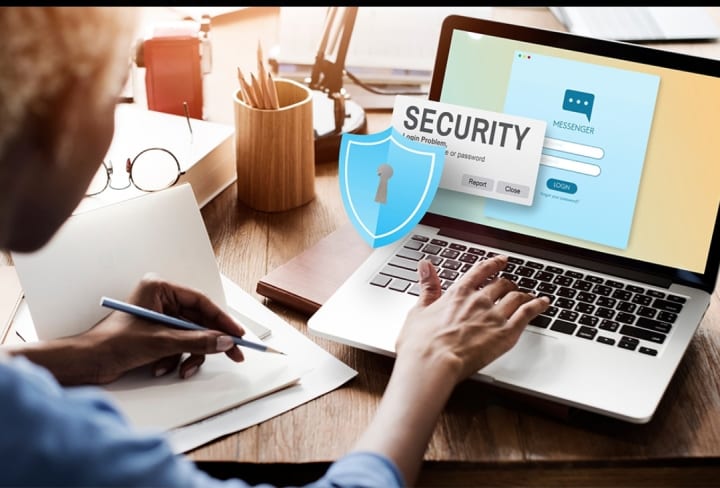
Another essential practice is enabling two-factor authentication (2FA) on your accounts. This security feature adds an extra layer of protection by requiring a second form of verification, such as a code sent to your phone or email, in addition to your password. Even if your password is compromised, 2FA can prevent unauthorized access to your accounts.
When browsing the internet, be cautious about the information you share. Limit the amount of personal data you provide on social media platforms and avoid oversharing details about your location, daily routines, or family members. Cybercriminals often use publicly available information to target individuals through phishing scams or social engineering attacks. Reviewing and adjusting the privacy settings on your social media accounts can help you control who can see your posts and personal information.
Using a virtual private network (VPN) is another effective way to protect your online privacy. A VPN encrypts your internet connection and masks your IP address, making it more difficult for hackers, advertisers, and even internet service providers to track your online activities. This is especially important when using public Wi-Fi networks, which are often unsecured and vulnerable to attacks.
Keeping your software and devices up to date is crucial for online security. Software updates often contain patches for security vulnerabilities that hackers may exploit. Regularly updating your operating system, web browser, and antivirus software helps ensure that you have the latest security protections in place. Additionally, be cautious about downloading apps or software from untrusted sources, as they may contain malware or spyware.
Be mindful of the websites you visit and the links you click. Phishing attacks often involve fake websites that mimic legitimate ones to steal your login credentials or personal information. Verify that a website's URL is accurate and begins with "https://" before entering sensitive information. Look for a padlock icon next to the URL, which indicates a secure connection.
Email security is another critical aspect of protecting your privacy online. Be wary of unsolicited emails, especially those requesting personal information or containing links and attachments. Cybercriminals often use email as a tool to distribute malware or trick users into revealing sensitive information. If an email appears suspicious, do not click on any links or download attachments. Instead, verify the sender's identity through official channels.
Social engineering attacks, where hackers manipulate individuals into divulging confidential information, are becoming increasingly sophisticated. Be cautious when receiving unexpected phone calls, messages, or emails requesting sensitive information. Legitimate organizations rarely ask for personal details through these channels. When in doubt, contact the organization directly using a verified phone number or email address.
Another important aspect of online privacy is managing your digital footprint. Your digital footprint includes all the information you leave behind when using the internet, such as social media posts, online purchases, and search history. Regularly review your online presence and delete accounts or content that you no longer use or need. Consider using search engines that prioritize user privacy, such as DuckDuckGo, to reduce tracking and data collection.
Encryption is a powerful tool for protecting your online privacy. End-to-end encrypted messaging apps, such as Signal and WhatsApp, ensure that only the intended recipients can read your messages. This prevents third parties, including service providers, from accessing your communications. When possible, choose services that prioritize encryption to protect your data.
Finally, educating yourself and staying informed about online privacy threats is essential. Cybersecurity is an evolving field, and staying up to date on the latest threats and best practices can help you protect yourself. Follow reputable cybersecurity blogs, news outlets, and organizations to learn about emerging trends and potential risks.

In conclusion, protecting your privacy online requires a combination of awareness, vigilance, and practical measures. By using strong passwords, enabling two-factor authentication, limiting the information you share, using a VPN, keeping your software up to date, and being cautious about phishing and social engineering attacks, you can significantly reduce your risk of online threats. Managing your digital footprint, prioritizing encryption, and staying informed will further enhance your ability to safeguard your personal information in the digital age. Taking these steps not only protects your privacy but also contributes to a safer and more secure online environment for everyone.
About the Creator
Nora Ariana
Empowering through stories and sound igniting purpose, sparking growth, and awakening the power within.
Keep reading
More stories from Nora Ariana and writers in Education and other communities.
A goal is a dream with a deadline
A goal is a dream with a deadline. This powerful quote reminds us that without action, dreams remain just that wishes floating in our imagination. But when we set a timeline and commit to achieving them, they evolve into goals, bringing clarity, direction, and purpose. Many people go through life holding on to dreams, hoping they will come true someday. But someday is not a day on the calendar. Dreams without structure often fade with time or get buried under the weight of daily responsibilities. Turning a dream into a goal is what separates those who achieve from those who continue to wish.
By Nora ArianaExclusive • 10 months ago
Beyond the Protein: Mastering Wine Pairings by Understanding the Sauce
When planning a remarkable dinner, many hosts instinctively choose the wine based on the main protein. They assume red wine belongs with beef and white wine suits chicken or fish. However, this traditional rule often oversimplifies the art of pairing. Because sauces concentrate seasoning, texture, and aroma, they define the dish’s personality more than the protein itself. Therefore, if you want a truly elevated dining experience, you should evaluate the sauce before selecting the wine.
By Joel Barjenbruch6 days ago in Education
The Invisible War for Your Mind: How Social Media Hijacked Human Attention — And How to Take It Back
The Invisible War for Your Mind: How Social Media Hijacked Human Attention — And How to Take It Back From dopamine loops to digital manipulation — why your focus is no longer fully yours
By The Insight Ledger 5 days ago in Education
Top tipple tricks
Been thinking a lot about drinking, lately. Not least because of a recent episode of over-indulgence and the inevitable after effects. Some readers may recall the earlier articles I wrote about beating the booze. Here I set out an experiment in techniques for cutting down on my alcohol intake. The experiment was successful, the techniques worked, and I have armed myself with an arsenal of weapons in the war against the demon drink. I have yet to fire the first round however. It's all a question of timing (perhaps procrastination).
By Raymond G. Taylorabout 6 hours ago in Psyche



Comments (1)
Some good information here✍️📕♦️♦️♦️♦️♦️