
How to Overcome Impostor Syndrome
Building Confidence and Owning Your Success
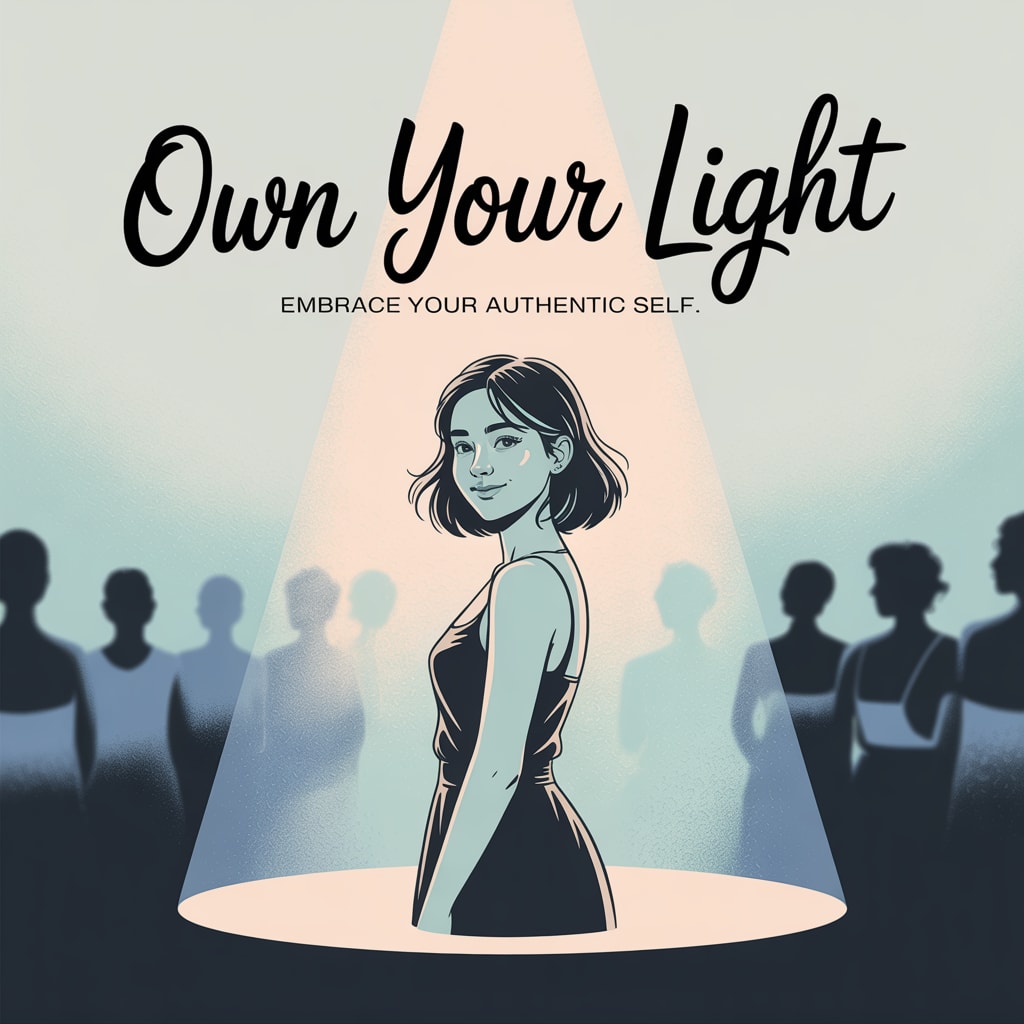
I used to believe I was fooling everyone.
Every praise felt undeserved. Every compliment sounded hollow. Each new opportunity only deepened my fear that, eventually, someone would uncover the truth: I wasn’t as good as they thought I was.
This fear — heavy, hidden, and exhausting — ruled my life for years.
It took me a long time to understand that I wasn’t alone, and even longer to realize I could overcome it.
This is the story of how I faced my impostor syndrome — and slowly, step by step, started believing that I truly belonged.
It all started with my first "real" job after college. I had worked hard to earn it, passed all the interviews, and even impressed the manager during training. On the surface, everything looked perfect. Yet inside, I was crumbling.
Every morning before work, I would sit in my car, paralyzed by the fear that today would be the day they figured it out — that I wasn’t smart enough, skilled enough, or deserving enough to be there. I constantly second-guessed myself, replayed conversations in my head, nitpicked my own emails, and apologized unnecessarily.
I thought maybe I just needed more experience, more awards, more achievements.
Then I would finally feel "worthy."
But the more I achieved, the worse it got.
Every success was followed by a nagging voice: “You just got lucky. You fooled them again.”
I kept raising the bar higher, thinking that if I could only reach it, the feeling would disappear.
It never did.
One evening, after another exhausting day of pretending I had it all together, I stumbled across an article online about Impostor Syndrome.
The symptoms read like a checklist of my life:
Feeling like a fraud despite evidence of success.
Attributing accomplishments to external factors, like luck.
Fear of being exposed.
Downplaying achievements.
I felt like someone had cracked open my heart and explained it to me.
I wasn’t broken. I wasn’t alone.
There was a name for what I was experiencing.
And more importantly — there were ways to heal.
I decided to start small.
First, I began noticing when impostor thoughts showed up.
Instead of automatically believing them, I paused and labeled them: “That’s impostor syndrome, not reality.”
It didn’t stop the thoughts overnight, but it gave me a crucial moment of separation — a moment to choose whether or not to listen.
Second, I started keeping track of my wins.
At first, it felt awkward and self-indulgent. But I made myself write down three things every day that I had done well, no matter how small.
Helping a colleague troubleshoot an issue.
Speaking up in a meeting.
Finishing a project ahead of deadline.
Slowly, I built a quiet, growing list of proof that I was capable — that my success wasn’t just luck or trickery.
Third, I talked about it.
I opened up to a trusted mentor about how I was feeling.
I expected them to laugh or dismiss my worries.
Instead, they smiled and said, “I feel that way too, sometimes.”
Hearing that someone I admired struggled with the same feelings was like breathing fresh air after being underwater too long.
It broke the isolation. It normalized the fear.
The more I practiced self-awareness, the more patterns I noticed.
I realized that I was setting impossible standards for myself — standards I would never expect from anyone else.
I began to challenge these standards with questions like:
"Would I expect this of a friend?"
"What evidence do I have that I’m not qualified?"
"Could both things be true — that I have more to learn and that I still deserve to be here?"
One of the hardest lessons was accepting that mistakes didn’t make me a fraud — they made me human.
Everyone makes mistakes. Growth isn’t a straight line; it’s messy, uneven, full of detours.
Learning this took time, and forgiveness — especially self-forgiveness.
Little by little, the voice of the impostor grew quieter.
Not silent — I don’t think it ever completely goes away — but quieter.
Now, when it whispers doubts, I know how to answer back.
I remind myself:
I earned my place through work and effort.
Growth and imperfection can exist together.
I belong, even when I’m learning.
I don't have to wait until I feel 100% confident to show up fully.
Today, when I walk into a meeting or take on a new challenge, I still sometimes feel that old twinge of doubt.
But now I smile at it, almost like an old acquaintance, and move forward anyway.
Overcoming impostor syndrome isn’t about never feeling fear.
It’s about refusing to let that fear define you.
It’s about stepping into your worth — imperfect, evolving, and beautifully real.
And when you do, you realize you were never an impostor.
You were simply someone learning to believe in themselves.
One brave step at a time.
About the Creator
Keep reading
More stories from Ikram Ullah and writers in Education and other communities.
10 Tiny Habits That Created Massive Life Changes
For a long time, I believed life was shaped by big moments — getting a dream job, moving to a new city, finding "the one." But what I’ve learned is that life is shaped far more by the small things we do every day than by the big things we wait for.
By Ikram Ullah8 months ago in Education
Can You Really Earn Money With Transcription? The Real Income Reality
The short answer is yes—you can earn money with transcription. But the more honest, useful answer is this: transcription only becomes worthwhile when you understand how the income actually works, not how it’s often presented online.
By Mahesh Kumar3 days ago in Education
Beyond the Transcript: What Extracurriculars and Essays Reveal That Grades Cannot
Colleges today look far beyond GPAs and test scores to understand who applicants truly are. While academic metrics indicate preparedness for coursework, they fail to capture personality, resilience, passion, and potential contributions to campus life. This is why essays, extracurricular activities, and other non-academic elements of an application hold significant power. They offer admissions officers a fuller, richer, more human version of the student—one that no number can represent.
By Carmen Reid6 days ago in Education


Comments
There are no comments for this story
Be the first to respond and start the conversation.