
How to Network Your Way into the Music Industry as a Producer
This article is about How to Network Your Way into the Music Industry as a Producer
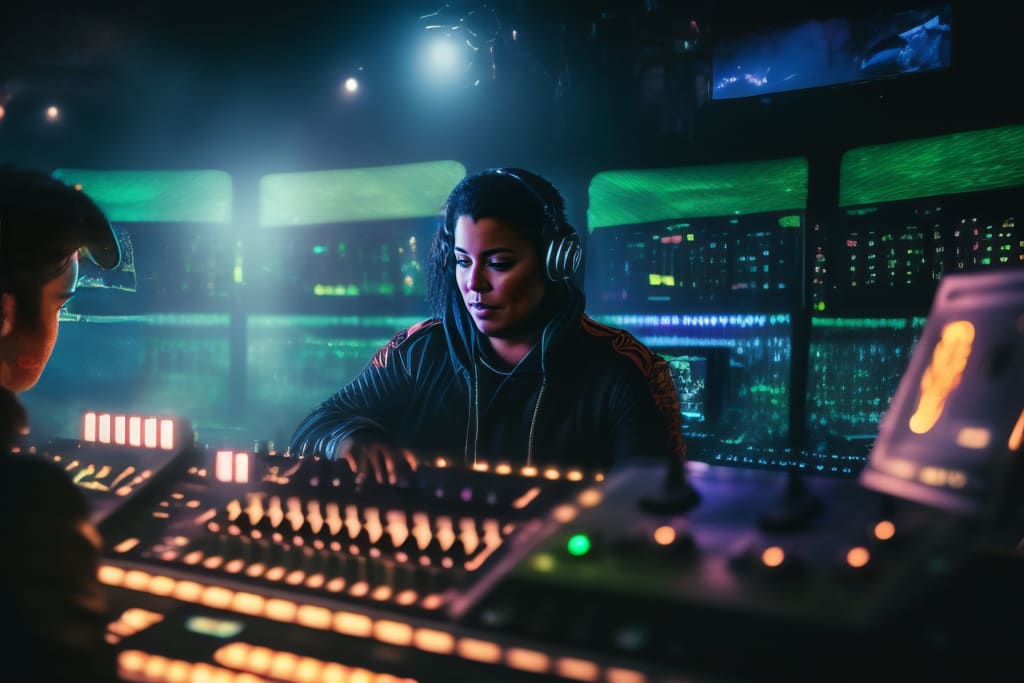
Breaking into the music industry as a producer requires more than just talent—it demands strategic networking. While honing your skills and creating compelling beats are essential, building relationships with the right people can open doors to opportunities you might never achieve on your own. Here’s a comprehensive guide to networking effectively as an aspiring music producer.
Why Networking Matters in Music Production
The music industry thrives on relationships. Talent alone isn’t always enough to succeed; it’s about who knows your talent and how you position yourself within the industry. Networking helps you:
Gain access to new opportunities, like collaborations and gigs.
Learn from others’ experiences and gain valuable industry insights.
Establish credibility through recommendations and word-of-mouth.
Producers who excel in networking often find themselves in rooms with artists, record label executives, and other professionals who can elevate their careers.
Step 1: Define Your Goals and Target Audience
Before diving into networking, you must understand what you want to achieve and who you need to connect with. Are you looking to work with indie artists, major labels, or ad agencies? Defining your target audience helps you:
Focus your efforts on relevant contacts.
Prepare an approach tailored to their needs.
Save time by avoiding aimless networking.
For example, if your goal is to produce music for pop artists, focus on connecting with vocalists, songwriters, and pop genre-specific managers.
Step 2: Build an Online Presence
Your online presence is often the first impression you make in today’s digital world. Use platforms like Instagram, SoundCloud, YouTube, and LinkedIn to showcase your work. Here’s how:
Share Your Work: Post snippets of your tracks, behind-the-scenes production videos, or live performances.
Engage with Others: Comment on posts from artists and other producers to start conversations.
Join Online Communities: Participate in forums or groups like Reddit’s r/WeAreTheMusicMakers or Facebook producer communities to share knowledge and make connections.
Remember, your online presence is a reflection of your brand. Ensure your profiles are professional and consistent across platforms.
Step 3: Attend Music Industry Events
Industry events are goldmines for networking. From music festivals to trade shows and workshops, these gatherings bring together people from all corners of the industry. Here’s how to maximize your presence at events:
Do Your Homework: Research the attendees and keynote speakers. Identify who you’d like to meet and prepare a few talking points.
Be Approachable: Confidence and a friendly demeanor go a long way. Don’t be afraid to initiate conversations.
Have a Business Card or Demo Ready: If the conversation leads to sharing your work, offer a demo or card with your contact information and social media handles.
Events like NAMM (National Association of Music Merchants) or local showcases can provide direct access to influential industry players.
Step 4: Collaborate with Aspiring Artists
Sometimes, the best way to break into the music industry is by growing alongside others who are on the same path. Collaborating with up-and-coming artists offers several benefits:
Mutual exposure as you both share the work on your platforms.
A chance to experiment and hone your production style.
Potential long-term relationships as both your careers develop.
Platforms like SoundBetter or Fiverr can help you find artists looking for producers. Additionally, social media can be a great tool for discovering and reaching out to talent.
Step 5: Leverage Social Media for Direct Networking
Social media isn’t just a promotional tool; it’s also a powerful networking platform. Here’s how to use it effectively:
Follow Key Players: Identify and follow artists, producers, A&Rs, and industry executives. Engage with their content by liking, commenting, or sharing.
DM Strategically: Direct messaging can be effective, but keep it concise and professional. For example, instead of saying, “Check out my beats,” say, “I admire your work on [specific project]. I’d love to collaborate if you’re open to it.”
Use Hashtags: Explore hashtags like #MusicProducer or #IndieArtist to find potential collaborators and industry discussions.
Social media can help you maintain relationships even after in-person meetings.
Step 6: Offer Value First
Networking isn’t just about what others can do for you; it’s about building mutually beneficial relationships. Instead of immediately pitching your services, ask yourself:
What value can I provide to this person?
How can I contribute to their projects?
For instance, you could offer to remix an artist’s song for free or assist another producer with a project. Providing value upfront demonstrates your commitment and professionalism, making people more likely to want to work with you.
Step 7: Keep Following Up
Building relationships doesn’t happen overnight—it requires consistent effort. After meeting someone at an event or engaging with them online, follow up to keep the connection alive. Here’s how:
Send a thank-you email or message after an initial meeting.
Share updates about your work to keep them informed of your progress.
Offer to collaborate or meet again when opportunities arise.
Maintaining relationships is key to long-term success in networking.
Step 8: Learn the Art of the Soft Sell
Nobody likes a hard sell, especially in creative industries. Instead of directly asking for opportunities, aim to build genuine connections by:
Showing interest in their work and goals.
Sharing insights or advice when relevant.
Letting your talent speak for itself through shared projects or portfolio links.
A soft-sell approach ensures that your contacts see you as a collaborator rather than someone who’s just seeking favors.
Step 9: Stay Persistent and Resilient
Rejection and slow progress are part of the journey. Not every contact will lead to an opportunity, and not every artist will respond to your outreach. However, staying persistent and refining your networking approach over time will eventually yield results.
Conclusion
Networking is one of the most important skills for aspiring music producers. By strategically connecting with others, building a strong online presence, and offering value, you can carve out a path into the music industry. Remember, every meaningful connection you make is a step closer to your dream. Success in networking, much like music production, comes down to consistency, creativity, and dedication.
About the Creator
Keep reading
More stories from delivermytune and writers in Education and other communities.
The Ethics of Autotune: Authenticity vs. Enhancement
Autotune has become one of the most controversial tools in the music industry. Since its invention in 1997 by Andy Hildebrand, the software has revolutionized music production, allowing artists to correct pitch issues with precision and even create unique vocal effects. While many see autotune as an invaluable creative tool, others argue that its use undermines the authenticity of music, sparking debates about talent, honesty, and the future of artistry. This article delves into the ethical dimensions of autotune, examining its role in the industry, its impact on artistry, and the debate over authenticity versus enhancement.
By delivermytuneabout a year ago in Education
Brands With Heart: How Purpose Drives Stronger Connections Than Products Alone
Today’s consumers don’t just shop for products. They search for meaning. While quality and price still matter, people are choosing brands that reflect their values. This is where building brands that connect through purpose becomes powerful. A brand with purpose tells a story people want to support. That story goes beyond selling something. It speaks to identity, belief, and belonging.
By Nathalie Kyriakouabout 17 hours ago in Education



Comments
There are no comments for this story
Be the first to respond and start the conversation.