
How to Manage a Hospital with Software: A Comprehensive Guide
A Complete Information about HIMS
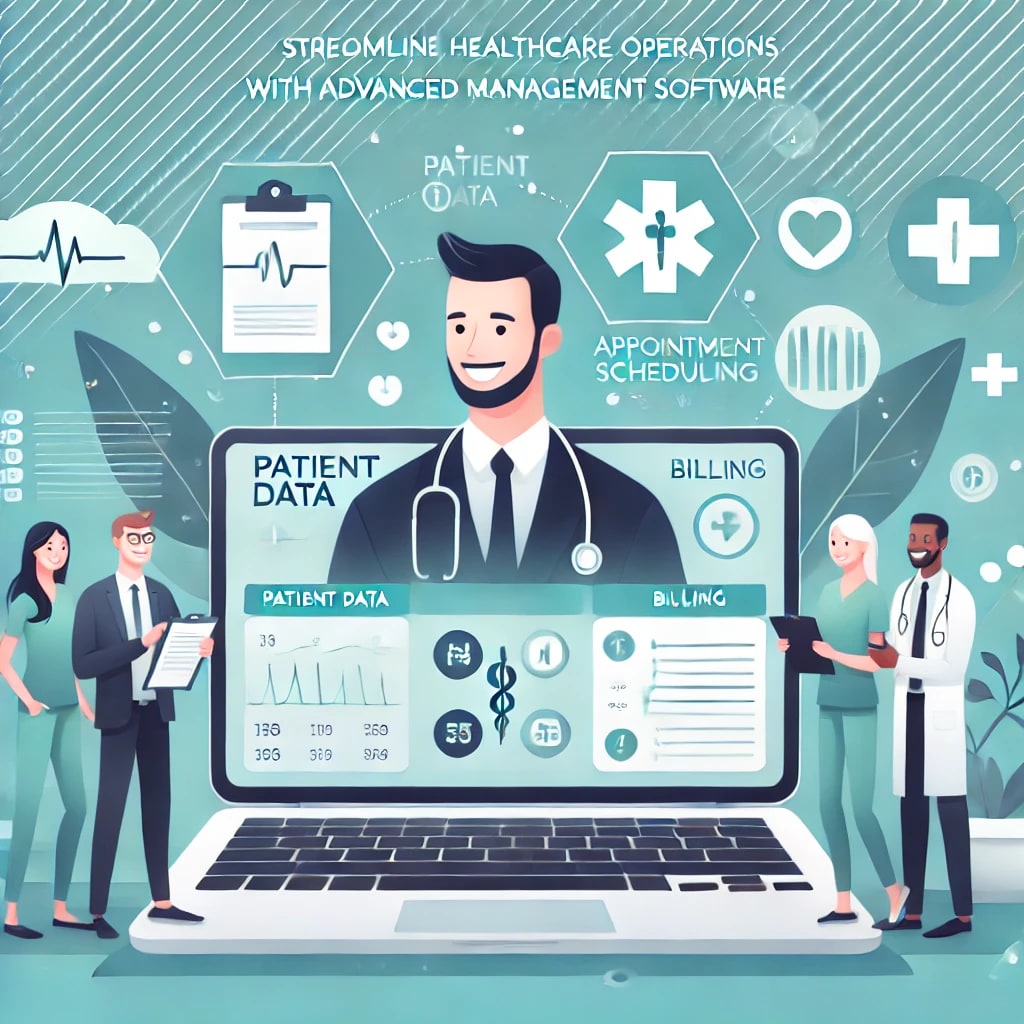
Managing a hospital efficiently requires seamless coordination between multiple departments, accurate data handling, and timely decision-making. Using hospital management software can simplify these complex operations, optimize resources, and enhance the quality of patient care. Here’s a step-by-step guide on how to manage a hospital effectively using software.
1. Implement a Robust Hospital Management System (HMS)
A Hospital Management System (HMS) is the cornerstone of hospital software management. It integrates various hospital processes, such as patient management, billing, inventory, staff coordination, and reporting. Choose a scalable and customizable HMS that fits the size and requirements of your hospital.
Key modules to look for in an HMS:
- Patient Registration and Management
- Appointment Scheduling
- Billing and Payment Processing
- Electronic Health Records (EHR) Integration
- Inventory and Pharmacy Management
- Staff and Duty Roster Management
- Data Analytics and Reporting
2. Digitize Patient Management
Managing patient records manually can lead to errors and inefficiencies. A software-based system digitizes the entire patient journey:
Registration: Quick registration of patients with a digital record of their personal details and medical history.
Appointment Scheduling: Patients can book appointments online or through a mobile app. The system schedules appointments based on doctor availability, reducing waiting times.
Medical Records: Maintain a comprehensive electronic health record (EHR) for each patient. Doctors can access these records in real time to make informed decisions.
3. Streamline Billing and Payments
Hospital billing involves managing a variety of services, such as consultations, lab tests, medications, and surgeries. Software simplifies billing by:
- Automatically generating invoices based on patient services.
- Integrating with insurance providers to process claims quickly.
- Allowing patients to pay online, ensuring smooth transactions.
- Providing detailed billing records to avoid disputes or discrepancies.
4. Optimize Staff Management
Hospital staff management is crucial for ensuring smooth operations. Software can help in:
- Duty Rostering: Create and manage staff schedules efficiently, ensuring optimal coverage across all shifts.
- Attendance Tracking: Use software to track employee attendance, overtime, and leave.
- Performance Monitoring: Track performance metrics and assign tasks based on expertise and availability.
5. Manage Inventory Effectively
Hospitals require a continuous supply of medicines, medical equipment, and consumables. Software helps manage inventory by:
- Tracking stock levels in real time.
- Sending alerts for low stock or expired items.
- Generating purchase orders and maintaining supplier details.
- Ensuring that critical supplies are always available without overstocking.
6. Ensure Compliance and Data Security
Hospitals must adhere to various regulations regarding patient data privacy, safety standards, and operational transparency. Software ensures compliance by:
- Storing data securely with encryption and access controls.
- Keeping logs of all system activities for audit purposes.
- Generating reports to demonstrate compliance with legal and regulatory requirements.
7. Enhance Communication
Effective communication between departments is essential for smooth hospital operations. Software can:
- Facilitate instant communication through integrated messaging systems.
- Enable information sharing across departments (e.g., radiology results accessible to the surgery team).
- Notify patients via email or SMS about appointments, lab results, or prescriptions.
8. Utilize Data Analytics for Decision-Making
Hospital management software generates valuable data, which can be analyzed to make strategic decisions:
- Identify trends in patient admissions, revenue, or resource utilization.
- Evaluate staff performance and workload distribution.
- Monitor patient outcomes to improve treatment protocols.
- Predict future requirements for resources and services based on historical data.
9. Provide Telemedicine Services
Modern hospital software often includes telemedicine capabilities, allowing patients to consult doctors remotely. This feature is especially useful for managing follow-ups, chronic conditions, or patients in remote areas.
10. Train Your Staff
Even the most advanced software is ineffective without proper training. Ensure all hospital staff, from administrative teams to healthcare providers, are trained to use the software. Regular workshops and updates keep everyone aligned with system improvements.
11. Implement Continuous Monitoring and Updates
Software systems need to be regularly monitored and updated to stay relevant and secure:
- Conduct routine audits to identify inefficiencies or areas for improvement.
- Apply software updates to enhance features and security.
- Gather feedback from staff and patients to fine-tune the system.
Conclusion
Managing a hospital with software is not just about automating tasks; it’s about creating a connected ecosystem that prioritizes patient care, enhances staff efficiency, and ensures smooth operations. By leveraging the power of an advanced Hospital Management System, hospitals can address challenges, improve resource utilization, and stay ahead in the competitive healthcare industry.
For any other information you need Click Here : Hospital Information Management System



Comments
There are no comments for this story
Be the first to respond and start the conversation.