
How to Grow Indoor Succulents: A Beginner’s Guide
Discover easy tips to cultivate thriving succulents indoors, from choosing the right plants to mastering light, soil, and watering.

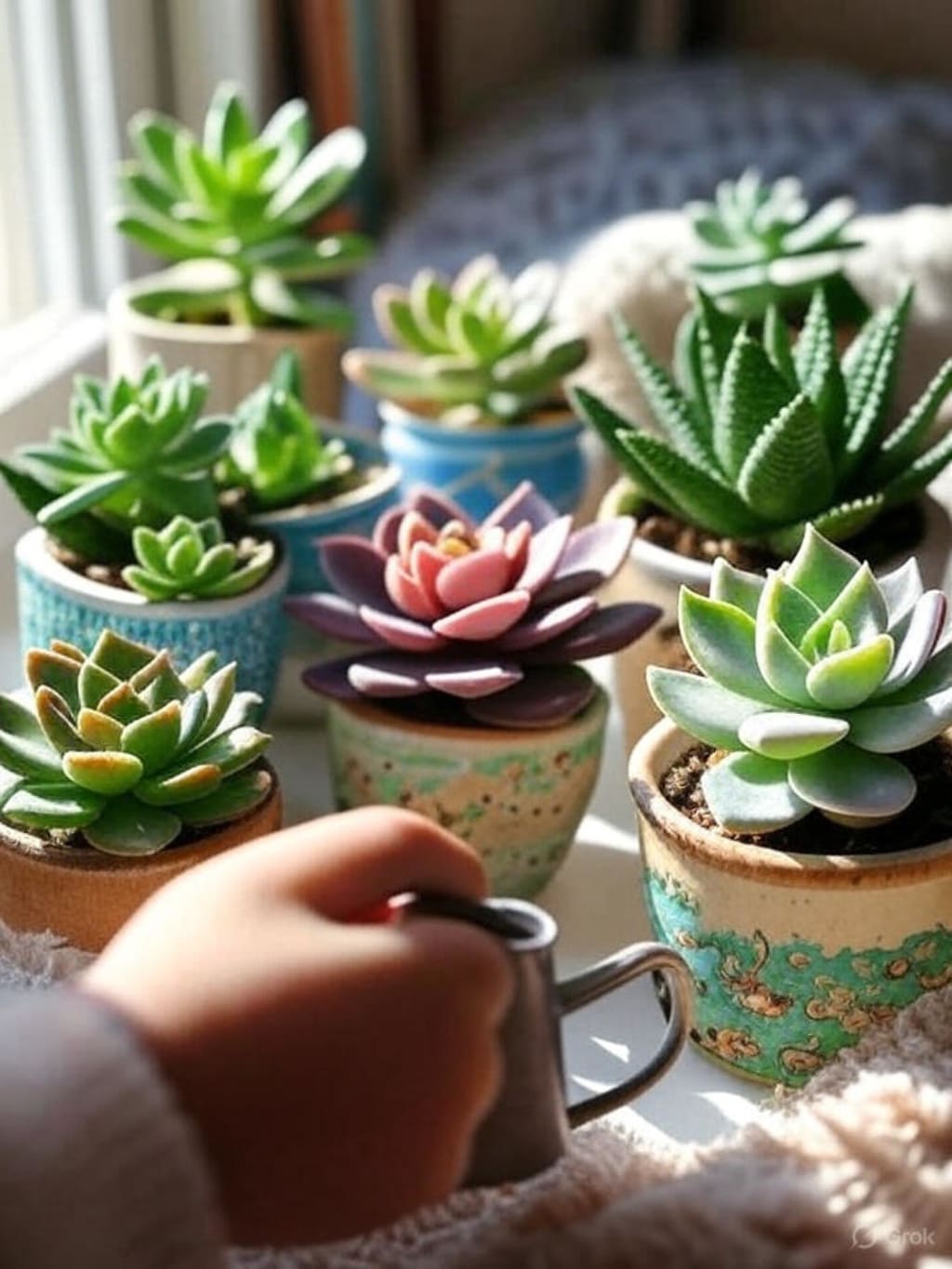
Picture this: I’m staring at a sad, droopy succulent on my windowsill, its once-vibrant leaves looking like they’re auditioning for a plant horror movie. I’d nicknamed it “Spike,” hoping a cute name would somehow keep it alive. Spoiler alert: it didn’t. That was me, a complete beginner, thinking indoor succulents were as easy as plopping them in a pot and calling it a day. But after a few plant funerals and some hard-earned lessons, I’ve cracked the code to growing lush, happy succulents indoors—and I’m here to share it with you. Whether you’re a plant newbie or just want to avoid my mistakes, this guide will walk you through how to grow indoor succulents with simple, beginner-friendly tips. Let’s dive into the fascinating world of these quirky, desert-loving plants and turn your home into a green oasis!
Why Succulents Are Perfect for Indoor Gardening
Succulents are the superheroes of the plant world—tough, low-maintenance, and bursting with personality. These little guys store water in their thick, fleshy leaves, making them perfect for forgetful waterers (like me, once upon a time). From the rosette-shaped Echeveria to the spiky Haworthia, succulents come in a dazzling array of shapes and colors—think deep greens, soft purples, and even hot pinks. They’re like living art, adding a pop of nature to your apartment, dorm, or cozy corner.
Why grow indoor succulents? They’re forgiving, thrive in small spaces, and can survive your busy schedule. Plus, they’re Instagram-worthy, and who doesn’t want a plant that looks good in every selfie? But before you rush to the nearest garden center, let’s break down the essentials to keep your succulents thriving, not just surviving.
Step-by-Step Guide to Growing Indoor Succulents
Ready to start your succulent journey? Here’s everything you need to know to grow indoor succulents like a pro, even if you’ve never touched a plant before.
1. Choosing the Right Succulents for Beginners
Not all succulents are created equal, and some are more forgiving for newbies. My first mistake was picking a finicky plant that needed more TLC than I could give. Stick to these beginner-friendly varieties:
Echeveria: Known for its gorgeous rosette shape, it’s like a tiny green rose.
Jade Plant: A sturdy, tree-like succulent that’s practically indestructible.
Aloe Vera: Not just for sunburns—this plant is tough and loves indoor life.
Zebra Plant (Haworthia): Its striped leaves are cute, and it thrives in low light.
Pro Tip: Head to a local nursery or check online stores like Etsy for healthy succulents. Avoid big-box stores where plants might be stressed. Curious about where to start? Search “best indoor succulents for beginners” to find local or online options.
2. Picking the Perfect Pot and Soil
Succulents hate soggy feet, so your pot and soil choices are crucial. I learned this the hard way when Spike drowned in a pot with no drainage holes. Here’s what works:
Pot: Choose a pot with drainage holes to let excess water escape. Terracotta or ceramic pots are great—they’re breathable and stylish. I love small, colorful pots to make my succulents pop on my windowsill.
Soil: Use a well-draining cactus or succulent potting mix. You can find these at garden centers or make your own by mixing potting soil with sand or perlite (2:1 ratio). This keeps the roots happy and dry.
SEO Tip: If you’re wondering “what’s the best soil for succulents,” you’re not alone. A quick mix of 60% potting soil and 40% sand works wonders for indoor succulent care.
3. Mastering Light Requirements
Light is where succulents get picky. They’re desert natives, so they crave bright, indirect sunlight. My first succulent turned leggy (stretching toward the light) because I stuck it in a dim corner. Here’s how to get it right:
Place your succulents near a south- or west-facing window for 4–6 hours of indirect light daily.
If your space is low on natural light, use a grow light (affordable ones are available on Amazon).
Rotate your plants every week to ensure even growth—no one wants a lopsided succulent!
Curious Fact: Did you know succulents can change color based on light? My Echeveria turned a stunning pink when I moved it closer to a sunny window. Search “succulent light requirements” to geek out on the science behind it.
4. Watering Wisely (Don’t Drown Your Plants!)
Watering is where most beginners (including me) go wrong. Succulents need a “soak and dry” method, not a daily sprinkle. Here’s the deal:
How Often: Water every 1–2 weeks, depending on your climate. In winter, cut back to once a month.
How Much: Soak the soil thoroughly until water drains out the bottom, then let it dry completely before watering again.
Signs of Overwatering: Yellow, mushy leaves or a soggy stem (RIP, Spike).
Signs of Underwatering: Wrinkled or shriveled leaves—your plant’s crying for a drink.
Story Time: I once overwatered a Jade plant, thinking it looked thirsty. It wasn’t—it was drowning! Now, I check the soil with my finger: if it’s dry 1 inch down, it’s time to water. For more tips, Google “how to water succulents indoors” to avoid my mistakes.
5. Avoiding Common Mistakes
Here are the top pitfalls to dodge when growing indoor succulents:
No Drainage: Always use a pot with holes to prevent root rot.
Too Little Light: Don’t hide your succulents in a dark corner—they’ll stretch and fade.
Overwatering: Less is more! When in doubt, wait a few extra days before watering.
Crowded Pots: Give each plant space to grow; don’t cram them together.
Troubleshooting Succulent Problems
Even the best plant parents run into issues. If your succulent’s acting up, here’s how to save it.
Why Is My Succulent Dying?
Yellow, Mushy Leaves: Overwatering alert! Stop watering, let the soil dry, and repot in fresh, well-draining soil if needed.
Leggy Growth: Too little light. Move your plant to a brighter spot or add a grow light.
Brown, Crispy Leaves: Sunburn from too much direct light. Shift to indirect sunlight.
Real Talk: My first Aloe vera got sunburned when I left it in direct sun all day. I moved it to a spot with filtered light, and it bounced back. Search “why is my succulent dying” for quick fixes to common problems.
How to Revive a Struggling Succulent
Trim dead or mushy leaves with clean scissors to prevent rot.
Repot in fresh soil if the roots are soggy.
Adjust light and water based on the symptoms above.
Be patient—succulents are resilient and often recover with a little TLC.
Where to Buy Quality Succulents
Ready to start your collection? Here are my go-to spots for healthy indoor succulents:
Local Nurseries: They often have unique varieties and expert advice.
Online Retailers: Etsy, The Sill, or Leaf & Clay offer beginner-friendly succulents with care guides.
Plant Swaps: Check local gardening groups on Facebook or Nextdoor for free or cheap cuttings.
Pro Tip: Look for “succulent starter kits” online—they come with pots, soil, and plants, perfect for beginners. Curious? Search “where to buy indoor succulents” for trusted retailers.
A Little Inspiration: My Succulent Success Story
After losing Spike, I was determined to get it right. I bought a Zebra plant, placed it on my sunny kitchen windowsill, and followed the soak-and-dry method. Within weeks, it was thriving, its striped leaves practically glowing. Now, my apartment is a mini succulent jungle, and every new plant feels like a tiny victory. You don’t need a green thumb—just a few simple tricks and a bit of curiosity.
Start Your Succulent Journey Today
Growing indoor succulents is easier than you think, and it’s a fun way to bring nature into your space. Start with a beginner-friendly plant, get the right pot and soil, and give it the light and water it loves. Before you know it, you’ll be a proud plant parent, showing off your thriving succulents to anyone who’ll listen.
About the Creator
How Aerospace Electronics Depend on Winbond Electronics Components in Modern Aviation
When I analyze the supply chain behind aviation electronics, I often return to the role of semiconductor memory manufacturers. One company that frequently appears in component databases is Winbond Electronics Corporation, a global semiconductor producer known for reliable memory solutions used in embedded systems.
By Beckett Dowhan6 days ago in Education


Comments
There are no comments for this story
Be the first to respond and start the conversation.