
Healing Herbs: Secrets from Nature’s Medicine Chest
Ancient Remedies for Today’s Health

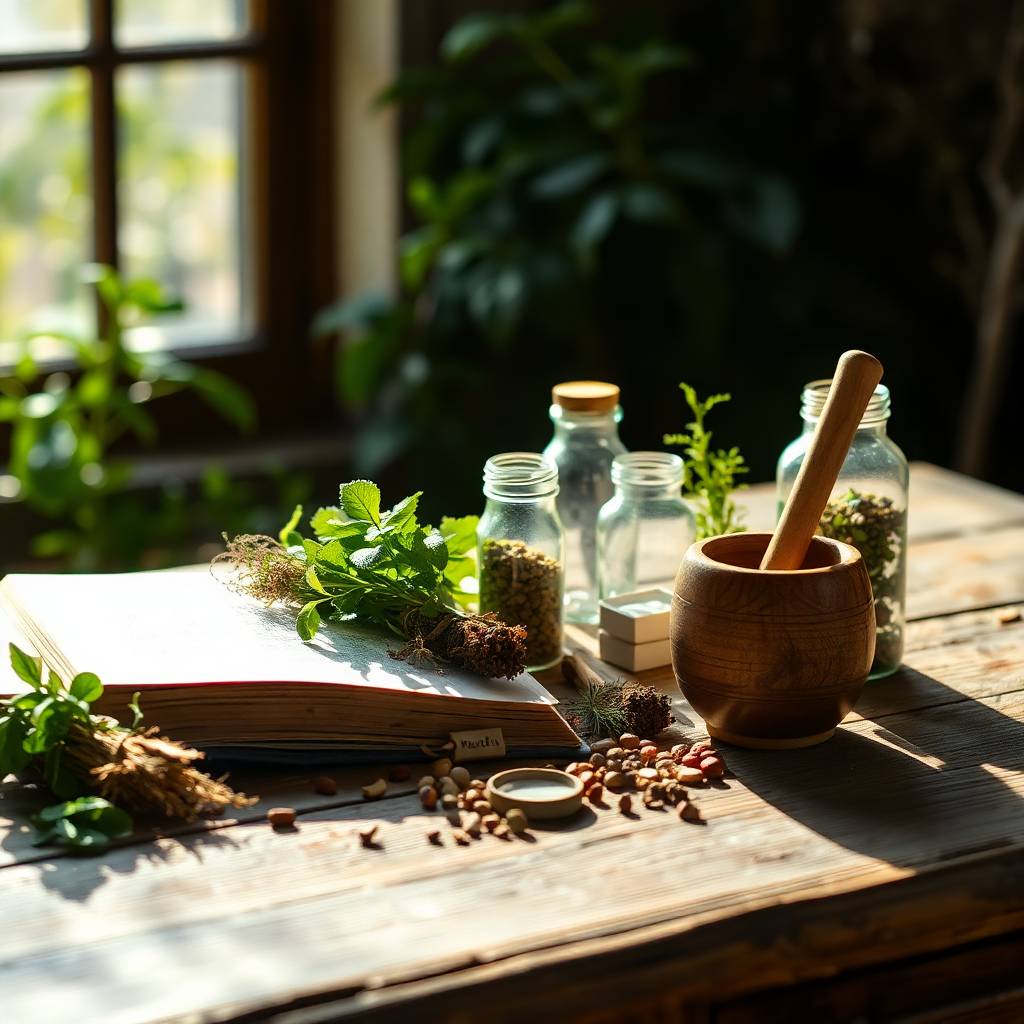
Throughout history, humans have turned to nature for healing. Long before modern medicines, people relied on plants and herbs for their medicinal powers. These plants were more than just foliage—they were trusted allies in treating everything from wounds to fevers.
Today, many people are rediscovering these ancient remedies. From kitchens to herbal shops, healing herbs are making a strong comeback. Let’s explore the fascinating world of natural remedies and unlock the secrets hidden in nature’s ancient medicine chest.
The Timeless Bond Between Humans and Herbs
Herbs have been used in almost every culture for centuries. In ancient Egypt, priests used herbs like garlic and thyme for healing. In China and India, herbal medicine systems like Traditional Chinese Medicine (TCM) and Ayurveda developed highly advanced plant-based treatments that are still used today.
These traditional practices viewed herbs not just as medicine but as a connection between body, mind, and nature. Many modern medicines also trace their origins to these plants.
Powerful Healing Herbs and Their Benefits
Let’s discover some of the most powerful healing herbs that have stood the test of time.
1. Aloe Vera – The Soothing Plant
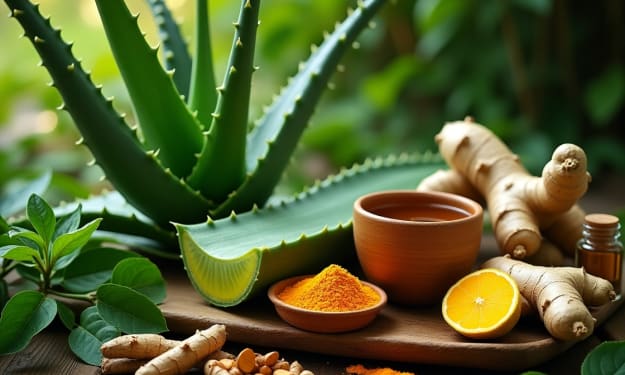
Known as the “plant of immortality” by ancient Egyptians, aloe vera is famous for its soothing, cooling properties. Its gel is packed with vitamins, minerals, and antioxidants.
Benefits:
Heals skin burns and wounds
Soothes sunburn
Supports digestion
Hydrates skin naturally
Many people now keep an aloe vera plant at home for instant, fresh healing gel.
2. Turmeric – The Golden Healer
Turmeric has been a staple in Indian and Middle Eastern medicine for centuries. Its key active compound, curcumin, has powerful anti-inflammatory and antioxidant effects.
Benefits:
Reduces inflammation
Eases joint pain
Improves skin health
Boosts immunity
Turmeric is often used in teas, golden milk, or as a spice in cooking.
3. Neem – Nature’s Detoxifier
Neem, sometimes called “the village pharmacy” in India, has been used for over 4,000 years in Ayurveda.
Benefits:
Purifies the blood
Supports skin health
Acts as a natural antibacterial agent
Aids in oral hygiene (used in toothpaste and mouthwash)
Neem leaves, oil, and powder are widely used for both internal and external healing.
4. Lavender – The Calming Herb
Best known for its relaxing scent, lavender isn’t just for aromatherapy.
Benefits:
Reduces anxiety and stress
Improves sleep quality
Soothes headaches
Heals minor cuts and burns
Lavender tea, oil, and even fresh flowers can offer calming relief.
Why Ancient Remedies Still Matter Today
In our fast-paced modern world, many people are returning to natural remedies because they:
Are generally safer with fewer side effects (when used properly)
Are often more affordable
Help strengthen the body’s natural healing process
While not a substitute for necessary medical care, herbs offer gentle, supportive healing that complements modern treatments.
How to Safely Use Medicinal Herbs
It’s important to use herbs wisely. Here are some tips:
Start with small doses and observe how your body reacts.
Consult a qualified herbalist or healthcare provider, especially if you have health conditions or take medication.
Use high-quality, organic herbs to avoid chemicals and contaminants.
Learn about proper preparation—some herbs work best as teas, others as tinctures or oils.
Final Thoughts: Embrace the Green Cure
Nature’s medicine chest holds many secrets—some of which modern science is only beginning to understand. By bringing healing herbs into our lives, we can reconnect with ancient wisdom and support our health naturally.
Whether it’s aloe vera on a sunburn, a warm cup of turmeric tea, or the calming scent of lavender after a long day, these simple herbs remind us of nature’s quiet yet powerful ability to heal.
About the Creator
The Digital Nomad Blueprint
In a not-so-distant future, where technology thrived and the world became increasingly connected, many people chose to break free from traditional lifestyles. Among them was a young woman named Mia. Mia was a digital nomad, traveling the globe with her laptop, working remotely while exploring new cultures. Her heart was set on living life to the fullest, but she was also searching for something greater—a sense of purpose.
By Hamad Afridi 2 days ago in Education



Comments
There are no comments for this story
Be the first to respond and start the conversation.