
How to get over limerence (obsessive love)?
Everything you need to know about limerence and help yourself or a loved one
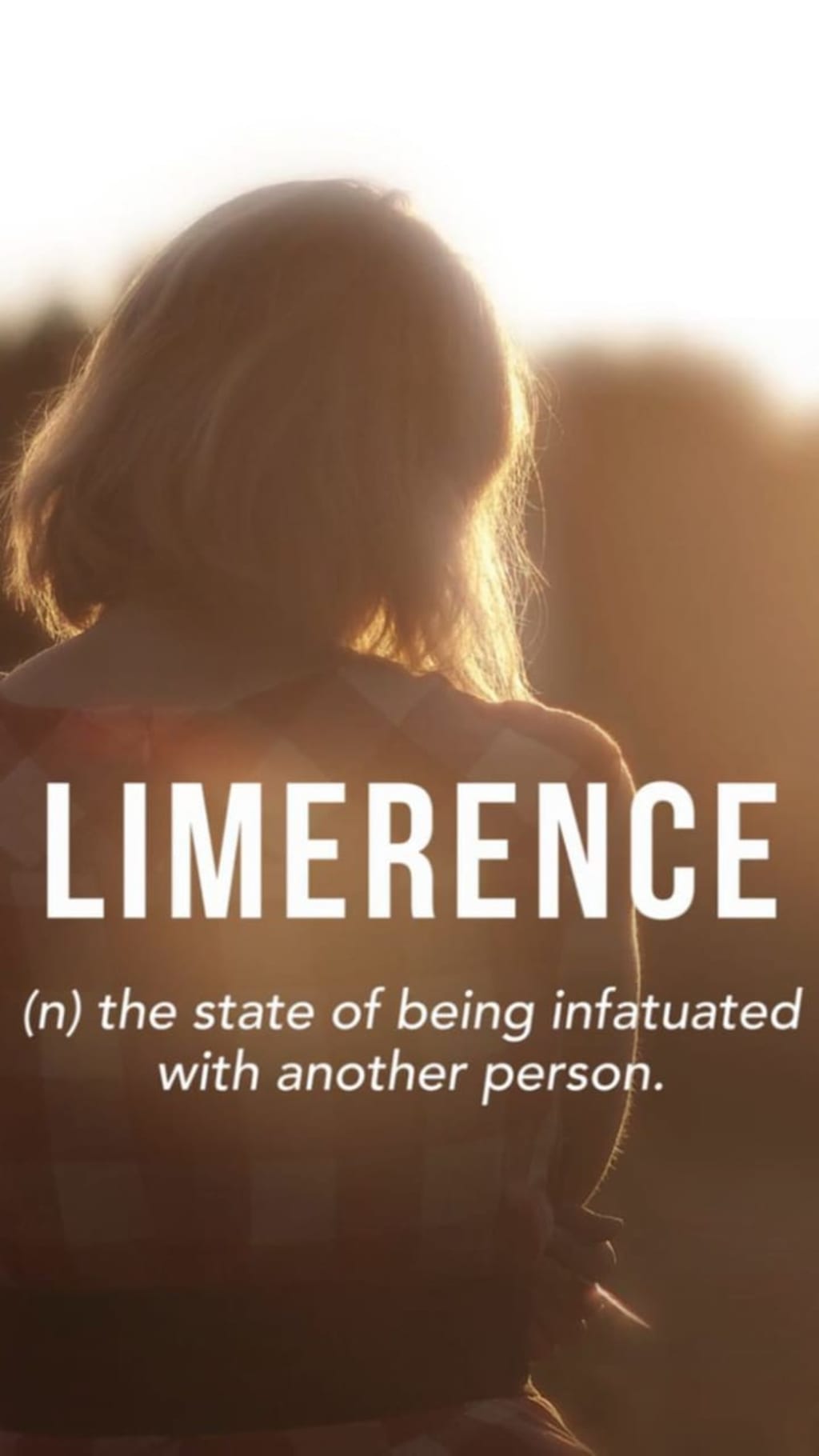
What is limerence?
Limerence is a state of mind characterized by intense and obsessive feelings of infatuation and attachment towards another person. It is often described as a state of being "madly in love" or having a "crush" on someone. Limerence is different from ordinary love, as it is often marked by a sense of urgency, longing, and intense emotional highs and lows. People in a state of limerence may experience a range of physical and psychological symptoms, including increased heart rate, sweating, and obsessive thinking about the object of their affection.
Limerence can be a powerful and transformative experience, but it can also be difficult to manage and can lead to emotional distress if the feelings are not reciprocated or if the relationship ends. Some experts argue that limerence can be a positive force in relationships, providing a sense of excitement and passion, while others warn that it can lead to unhealthy behaviors and emotional turmoil. Ultimately, the experience of limerence is highly individual and can be influenced by a variety of factors, including personality, life experiences, and cultural norms.
How to know if you are limerent towards someone?
Here are some signs that you may be experiencing limerence towards someone:
1. You find yourself constantly thinking about the person, even when you're not with them.
2. You feel a strong desire to be close to the person and to spend time with them.
3. You feel intense emotions, both positive and negative, in response to the person's actions or words.
4. You idealize the person and put them on a pedestal, often overlooking any flaws or negative traits.
5. You feel a strong need for the person's attention, affection, and validation.
6. You experience physical symptoms, such as a racing heart, sweaty palms, or butterflies in your stomach, when you're around the person.
7. You may also exhibit behaviors such as stalking or excessive checking of the person's social media profiles.
It's important to note that limerence is not the same as love, and it can be a challenging and sometimes distressing experience. If you think you may be experiencing limerence, it may be helpful to seek support from a mental health professional.
How to stop limerence?
Stopping or reducing limerence can be challenging as it is a complex emotional state that often involves intense feelings and obsessive thoughts. However, there are several strategies that may help:
1. Limit contact with the person who is the object of your limerence: Reducing or eliminating contact with the person you are infatuated with can help reduce the intensity of your feelings.
2. Focus on self-care: Engage in activities that promote your physical and emotional well-being, such as exercise, meditation, or spending time with friends.
3. Challenge your thoughts: Try to identify and challenge any irrational or unrealistic thoughts you may have about the object of your limerence.
4. Seek support: Confide in a trusted friend or family member about your feelings, or consider seeking professional help from a therapist.
5. Redirect your attention: Focus on other areas of your life, such as work, hobbies, or personal growth, to redirect your attention away from the object of your limerence.
It's important to remember that overcoming limerence can take time and effort, and there is no one-size-fits-all solution. Be patient with yourself and seek support from others if needed.
Major causes due to which limerence can occur:
The causes of limerence are not well understood and are likely to be complex and multifaceted. However, some factors that may contribute to limerence include:
1. Unfulfilled emotional needs: Limerence may develop when an individual has unmet emotional needs, such as a need for validation, affection, or intimacy. The intense emotions and desires associated with limerence may arise as an attempt to fulfill these needs.
2. Personal history: Limerence may be more likely to develop in individuals who have a history of trauma, neglect, or other challenging life experiences that have left them with a sense of emotional emptiness or longing.
3. Attachment style: People with an anxious or ambivalent attachment style may be more prone to developing limerence, as they tend to experience intense emotions and have a strong desire for closeness and connection with others.
4. Brain chemistry: Some researchers have suggested that limerence may be associated with changes in brain chemistry, specifically the release of certain hormones and neurotransmitters that are associated with pleasure, reward, and motivation.
5. Environmental factors: Limerence may be more likely to develop in situations where there is a perceived power imbalance, such as in a boss-subordinate relationship, or where there is a sense of mystery or unattainability, such as in a celebrity crush.
It's important to note that limerence is not a pathological condition, but rather a common experience that can be distressing and challenging. If you are experiencing limerence and it is causing you distress, it may be helpful to seek support from a mental health professional.
About the Creator
Keep reading
More stories from Abdul Hadi Ejaz and writers in Education and other communities.
Religion in the Ancient Greece
Religion was an integral part of ancient Greek society, shaping every aspect of life from politics and law to art and literature. The Greeks believed in a pantheon of gods and goddesses who controlled various aspects of the natural and human worlds, and they developed elaborate rituals and practices to honor and appease these deities.
By Abdul Hadi Ejaz3 years ago in Education
The Balanced Parent: Embracing Parenthood Without Losing Yourself
In today’s fast-paced society, the demands on parents have never been higher. From managing work deadlines to preparing meals and helping with homework, the modern parent juggles countless responsibilities daily. Amid all this, it’s easy to feel overwhelmed. Yet, being a hands-on parent is one of life’s most rewarding roles when approached with intention and heart.
By Alfonso Kennard6 days ago in Education




Comments
There are no comments for this story
Be the first to respond and start the conversation.