
How to Follow Google Trends for Effective SEO Results
Mastering SEO with Google Trends: Stay Ahead of the Curve by Leveraging Real-Time Insights and Data-Driven Content Strategies

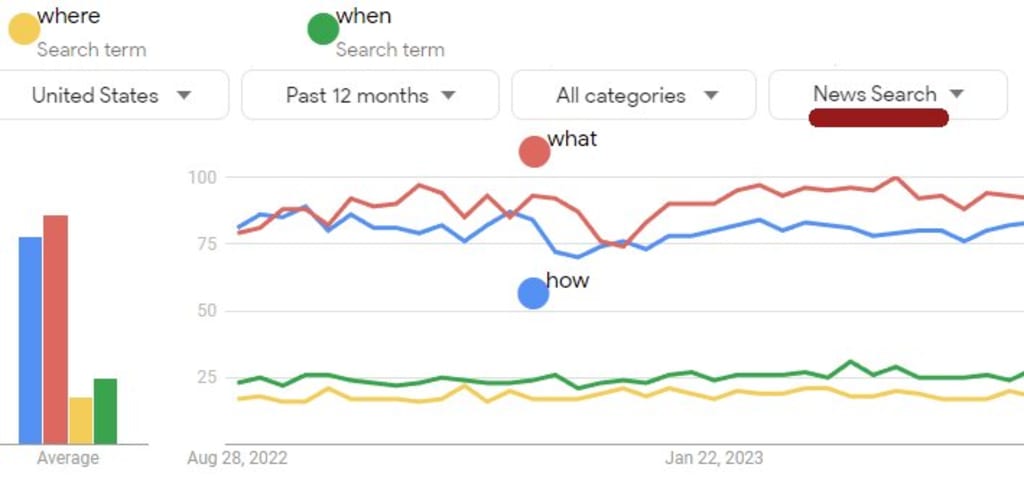
Understanding and leveraging current trends can make a significant difference in attracting and engaging the right audience. Google Trends, a free tool by Google, provides invaluable insights into search behaviors, helping businesses and marketers stay ahead of shifting consumer interests. Here’s a step-by-step guide on how to effectively use Google Trends to boost your SEO results.
1. Understand the Basics of Google Trends
Google Trends allows you to see how frequently specific terms are searched for on Google over time and across regions. You can compare different keywords, analyze their popularity, and gain insights into seasonal trends, emerging interests, and how certain topics perform in various locations.
2. Identify Trending Keywords
Start by entering a broad keyword relevant to your industry or content area into the Google Trends search bar. This gives you insights into how popular the term is over time. Look for keywords that have a steady or increasing trend line.
Related Queries: Under each search term, Google Trends shows related queries, often revealing keywords you hadn’t thought of. Filter by "Rising" to see which terms are gaining traction.
Seasonal Trends: Some keywords spike in popularity at certain times of the year. For example, searches for "Halloween costume ideas" increase in October. Incorporate these terms into your content calendar to maximize SEO impact.
3. Compare Keywords for Better Content Planning
Using Google Trends’ comparison feature, you can compare up to five keywords at once. This is particularly helpful for deciding between terms with similar meanings but different usage patterns. By comparing terms like "online learning" vs. "e-learning," you can identify which keyword resonates better with your audience.
Localized Comparisons: See if certain terms are more popular in specific regions. This is especially useful for targeting location-specific SEO. For example, if "organic food" is more searched in one area, tailor your content to that audience.
4. Utilize Trending Topics for Content Inspiration
Google Trends has a "Trending Searches" feature showing topics that are currently popular. These are real-time search trends that capture the moment's hottest topics. Writing about these topics can increase your chances of ranking in search results.
Develop Fresh Content: Keep your content relevant by covering popular topics in your niche. If there’s a current event or trend related to your business, create a blog post, social media update, or press release to join the conversation.
Update Existing Content: If you already have relevant articles, update them to include trending keywords. This keeps your content fresh and more likely to attract traffic.
5. Explore ‘Related Topics’ for New SEO Opportunities
Google Trends also suggests related topics when you search for a term. These related topics help you discover tangential content ideas and expand your keyword list.
Find Long-Tail Keywords: These are less competitive but highly targeted keywords that often bring quality traffic. For example, if you’re focusing on "digital marketing," related topics like "content marketing strategy" or "SEO for small businesses" can serve as effective long-tail keywords.
Explore Adjacent Niches: Use related topics to explore niches that may align with your audience’s interests. This helps expand your reach and can even reveal new business opportunities.
6. Analyze Historical Data for Long-Term SEO Strategy
Using Google Trends’ historical data, you can analyze how keyword popularity has evolved over several years. This helps you spot long-term trends and make informed predictions.
Identify Evergreen Content: Keywords with steady interest over time are ideal for evergreen content. Articles about these topics will continue to drive traffic long after they are published.
Predict Future Trends: Look for patterns that might indicate future demand. For example, if searches for "remote work" have increased steadily, it’s likely that related content will continue to be relevant.
7. Adjust Content Strategy Based on Location-Specific Data
Google Trends enables you to see how popular keywords are in different countries, states, and even cities. This data can guide you in creating localized content that resonates better with specific audiences.
Optimize for Local SEO: If you run a local business, use Google Trends to find popular search terms in your area. For example, a bakery in Los Angeles might discover that "vegan desserts" are more popular locally than in other areas, guiding them to target this keyword.
Create Regional-Specific Content: If your target audience is diverse, consider creating different content versions tailored to various regions.
8. Stay Informed with Real-Time Trends
For time-sensitive topics, Google Trends offers real-time data on the latest searches. Real-time trends are perfect for businesses that benefit from capitalizing on current events, holidays, and breaking news.
Create Content for Trending Events: Businesses like fashion, tech, or travel can benefit from publishing content related to events or new releases. For example, a tech blog can gain traffic by writing about an upcoming gadget release.
React Quickly to Industry Changes: If there’s a sudden spike in searches for a term related to your business, respond with content, social media posts, or ads to capture the interest while it’s at its peak.
9. Leverage Google Trends in Video SEO
With YouTube being the world’s second-largest search engine, video content is a powerful medium. Google Trends allows you to specifically view search trends for YouTube, offering insights that can guide your video strategy.
Identify Popular Video Topics: Enter a topic to see how it’s trending on YouTube, then tailor your video content to match current interests. For example, if "DIY home decor" is trending, you could create a video tutorial.
Optimize Video Titles and Descriptions: Use trending keywords in your video titles, descriptions, and tags to improve SEO on YouTube.
10. Regularly Reassess and Adjust Your Strategy
SEO is constantly evolving, and so are search behaviors. Use Google Trends regularly to keep your content aligned with the latest search trends. By checking in on your keywords and topics periodically, you can adapt your strategy as new trends emerge.
Final Thoughts
Google Trends is a valuable tool for anyone aiming to enhance SEO efforts and stay relevant in an ever-changing digital landscape. By following these tips, you can leverage Google Trends to understand user intent, anticipate demand, and create timely, impactful content that drives traffic to your website. Stay informed, be adaptable, and keep your content aligned with your audience’s evolving interests for a truly effective SEO strategy.
About the Creator
Maria sultana
Hello this is Maria SEO Executive at Next Bell Ltd.
Visit my company page : https://www.nextbell.com/
Keep reading
More stories from Maria sultana and writers in Education and other communities.
The Secret Relationship Between SEO and CRO
Search Engine Optimization (SEO) and Conversion Rate Optimization (CRO) are two powerful tools that every business needs to master. While they are often treated as separate strategies, these two optimization techniques have a closely intertwined relationship that can significantly impact your business's online success.
By Maria sultanaabout a year ago in Education
Understanding Tax-Efficient Investing
For high-net-worth individuals, tax-efficient investing is a critical component of wealth management. Taxes can significantly impact portfolio growth, and strategies that minimize tax liabilities help preserve more capital over time. By considering tax implications when making investment decisions, investors can enhance after-tax returns and support long-term financial goals.
By Winston Feng4 days ago in Education
How Interest Rates Impact Real Estate Investments and Shape Market Opportunities
Understanding Why Interest Rates Matter in Real Estate Interest rates play a major role in the real estate market. They affect how much it costs to borrow money and how much buyers pay each month for a mortgage. Because most real estate purchases involve loans, interest rates impact real estate investments in many ways.
By Manny Khoshbina day ago in Education


Comments
There are no comments for this story
Be the first to respond and start the conversation.