
How to Cook Ramen: A Japanese Noodle Soup Made with Wheat Noodles and a Savory Broth
Master the Art of Crafting Authentic Ramen at Home
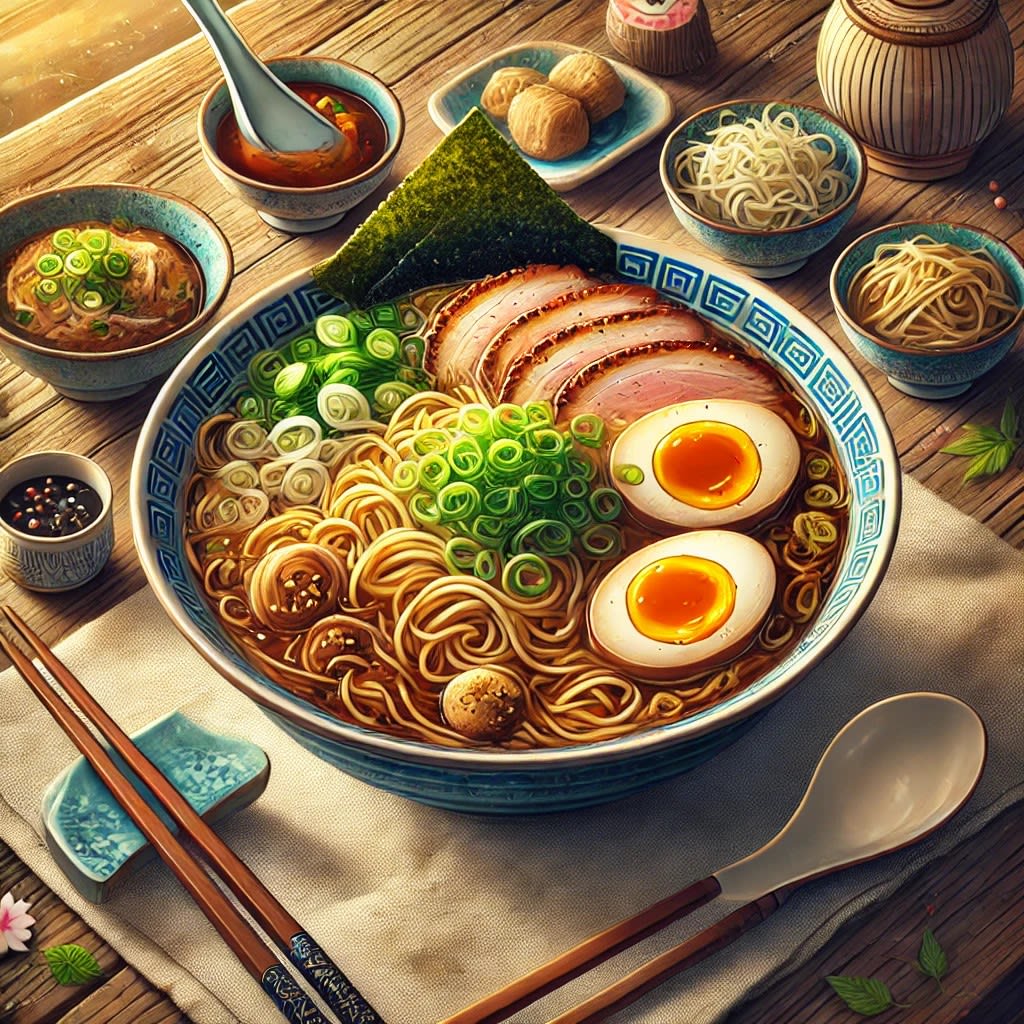
Ramen is a soul-warming Japanese dish that has gained immense popularity worldwide. Its combination of chewy wheat noodles, rich broth, and diverse toppings offers a delightful experience that appeals to all palates. While ramen is often associated with instant noodles, making it from scratch is a rewarding culinary journey. Here’s an in-depth guide to crafting authentic ramen at home.
Components of Ramen
Understanding the elements that make ramen special is the first step in mastering the dish.
The Broth : The heart of ramen, the broth is a deeply flavoured base that defines the dish. It can be light and clear or rich and creamy. Popular options include:
Shoyu (Soy Sauce) : A savoury, soy-based broth with chicken or pork stock.
Miso: A creamy, nutty broth made with fermented soybean paste.
Shio (Salt): A delicate, lightly salted broth.
Tonkotsu: A rich, creamy pork-bone broth, slow-cooked for hours.
Noodles: Ramen noodles are made from wheat flour, water, and kansui, which gives them their distinctive springiness and golden colour.
Toppings: From soft-boiled eggs to slices of braised pork, toppings provide texture, flavour, and colour. Popular choices include:
Ajitsuke tamago (marinated soft-boiled eggs)
Chashu (braised pork belly)
Bamboo shoots
Nori (seaweed)
Fresh vegetables like spinach, corn, or bok choy.
Step-by-Step Guide to Cooking Ramen
Step 1: Crafting the Broth
The broth takes the longest to prepare, but it’s worth every second.
Ingredients:
4 cups chicken or pork stock (or a mix of both)
2 tbsp soy sauce or miso paste (depending on the type of ramen)
1 tbsp mirin (Japanese sweet rice wine)
1 tsp sesame oil
2 cloves garlic, minced
1 small piece of ginger, grated
Instructions:
Heat sesame oil in a large pot over medium heat. Add garlic and ginger, cooking until fragrant.
Pour in the stock and soy sauce or miso paste. Add mirin and bring to a gentle boil.
Simmer for 30–40 minutes to let the flavours meld. For tonkotsu broth, simmer pork bones for 12–14 hours for a creamy texture.
Customization:
Add dried kombu (seaweed) or katsuobushi (bonito flakes) for umami depth.
Use vegetable broth for a vegetarian version.
Step 2: Cooking the Noodles
Cooking ramen noodles correctly is key to the perfect bowl.
Boiling:
Bring a large pot of water to a rolling boil. Avoid cooking the noodles in the broth to prevent starch from clouding it.
Cooking Time:
Fresh noodles: 2–4 minutes.
Dried noodles: Follow package instructions, typically 4–6 minutes.
Rinsing:
Drain the noodles and rinse briefly under cold water to stop cooking and remove excess starch. Toss with a bit of oil to prevent sticking.
Step 3: Preparing the Toppings
Toppings are what personalise a bowl of ramen, allowing for creativity and variety.
Ajitsuke Tamago (Marinated Eggs):
Soft-boil eggs for 6–7 minutes. Transfer to an ice bath, peel, and marinate in a mixture of soy sauce, mirin, and water for at least 2 hours.
Chashu Pork:
Sear a piece of pork belly in a hot pan, then simmer in a soy sauce, sugar, mirin, and sake mixture for 1–2 hours until tender. Slice thinly before serving.
Vegetables and Garnishes:
Boil or steam vegetables like spinach, corn, or bok choy.
Slice green onions thinly for garnish.
Cut nori sheets into strips.
Step 4: Assembling the Bowl
The assembly is where the magic happens. Presentation is as important as taste.
Warm the Bowl:
Rinse the serving bowls with hot water to keep the ramen warm.
Layer the Ingredients:
Place the noodles in the bowl first.
Ladle the hot broth over the noodles.
Arrange the toppings neatly for visual appeal.
Finish with Condiments:
Add a drizzle of sesame oil, chilli oil, or a sprinkle of sesame seeds.
Tips for Perfecting Ramen
Plan Ahead: Prepare toppings like marinated eggs and chashu pork a day in advance.
Experiment: Try different broth bases and topping combinations to find your favourite style.
Fresh Ingredients: Use fresh noodles and high-quality ingredients for the best results.
Balance Flavours: Keep the salty, savoury, and umami elements in harmony.
Common Variations
Ramen comes in many styles, each with unique characteristics:
Shoyu Ramen: A clear soy-based broth with a light and savoury profile.
Miso Ramen: A thick, nutty broth with a creamy texture.
Shio Ramen: A salt-based broth, delicate and subtle in flavour.
Tonkotsu Ramen: A creamy pork bone broth, rich and hearty.
Serving and Enjoying Ramen
Serve ramen immediately while it’s hot. Offer chopsticks and a soup spoon for the full experience. If you like customisation, provide extra condiments like soy sauce, chilli flakes, or vinegar on the side.
Conclusion
Cooking ramen from scratch is an art that rewards patience and creativity. The combination of a savoury broth, chewy noodles, and vibrant toppings makes for a comforting meal that’s as enjoyable to make as it is to eat. Whether you’re crafting a classic shoyu ramen or experimenting with modern twists, the possibilities are endless. With this guide, you’re ready to bring the flavours of Japan into your kitchen.
About the Creator
Keep reading
More stories from SARAVANAN P and writers in Education and other communities.
Mastering the Art of Authentic Chicken Curry
Recipe for Chicken Curry Curry chicken is a popular and adaptable dish that may be found in many homes and areas. This recipe offers a thorough tutorial for creating a fragrant and tasty chicken curry, letting you experiment with different methods and ingredients to make a dish that appeals to your palate.
By SARAVANAN P2 years ago in Education
Smart Ways to Prevent AI From Taking Your Job
Artificial intelligence is changing the workplace faster than almost any technology before it. From automated customer service to AI-generated reports, images, and code, it’s natural to wonder: Will AI take my job?
By Anthony Bahamondeabout 15 hours ago in Education
How Learning About Global Health Gives Early Impacts to Medical Students
Medical students begin forming their professional identities long before they enter residency, and early exposure to global health giving plays a decisive role in shaping those identities. While traditional training emphasizes diagnostics and clinical precision, global learning encourages students to understand the broader human context behind every medical decision.
By Dr. Seth Eidemiller7 days ago in Education
So You Decided To Become a Nurse Practitioner:
So you decided to become an "Advanced Practice" nurse. Congratulations!... is what I would say if this was a good idea. Grad school? In this economy? What were you thinking? Likely it was something along the lines of either 1) “I've seen these other chucklefucks do it— Why can't I?” or even 2) “I've got a nice career, I should shake it up. I miss feeling like I have no clue what I'm doing.”
By Sandor Szabo4 days ago in Fiction



Comments
There are no comments for this story
Be the first to respond and start the conversation.