
How to Choose the Right MEP Services Provider in the USA
A Complete Guide to Selecting the Best Mechanical, Electrical, and Plumbing Engineering Partner for Your Construction Project in the USA

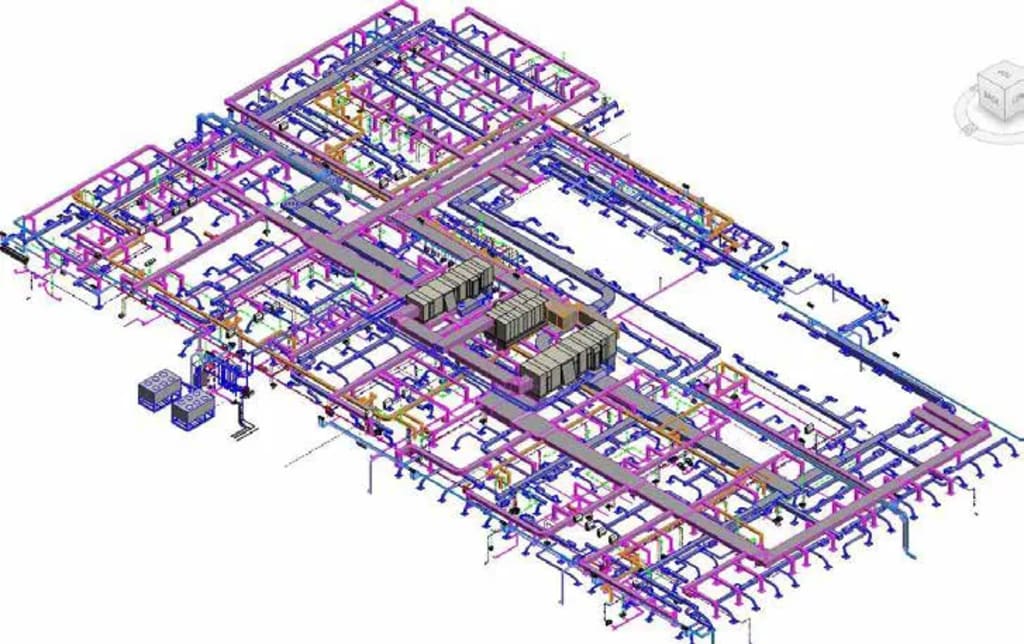
Choosing the right MEP (Mechanical, Electrical, and Plumbing) services provider in the USA is crucial for the success and sustainability of any construction project—be it commercial, residential, industrial, or institutional. The integrated systems designed and implemented by MEP professionals ensure that buildings are not only functional but also energy-efficient, safe, and compliant with regulatory standards. To help you make an informed decision, we've crafted this detailed guide outlining all the critical factors and best practices to follow.
Understanding MEP Services and Their Importance
Before diving into the selection process, it's essential to grasp the scope and significance of MEP services. MEP engineering play a pivotal role in designing and executing the systems that power, ventilate, and provide water to buildings. These components are interdependent and must be seamlessly coordinated for operational efficiency.
- Mechanical services involve HVAC systems, heating, ventilation, and fire protection.
- Electrical services include power distribution, lighting, alarm systems, and energy management.
- Plumbing services cover water supply, drainage, waste management, and gas piping.
Selecting the right provider ensures these systems are designed and executed to reduce energy consumption, enhance occupant comfort, and support building performance.
Credentials and Industry Certifications
When evaluating MEP service providers, prioritize those with strong credentials, licenses, and certifications:
- LEED Accreditation (Leadership in Energy and Environmental Design) – Indicates sustainability expertise.
- ASHRAE Membership (American Society of Heating, Refrigerating and Air-Conditioning Engineers) – Confirms up-to-date mechanical knowledge.
- NFPA Compliance (National Fire Protection Association) – Ensures safe fire protection designs.
- Licensed Professional Engineers (PE) – Required to sign off on construction documents.
Companies with these certifications are not only qualified but are also committed to maintaining industry standards and ongoing professional development.
Experience in Your Project Type
The complexity of MEP systems varies across different building types. Always opt for a firm with proven experience in your industry sector:
- Commercial projects demand scalable systems with high-efficiency HVAC and lighting.
- Healthcare facilities require highly regulated plumbing and air filtration systems.
- Industrial buildings need custom mechanical setups tailored to equipment requirements.
- Residential complexes benefit from cost-effective, space-optimized designs.
Check the portfolio of each provider and look for case studies, client testimonials, and project photos that showcase their capabilities.
Technology Stack and BIM Capabilities
In 2025, no MEP service provider is truly competitive without Building Information Modeling (BIM) capabilities. BIM allows for clash detection, accurate quantity take-offs, and 3D coordination, significantly reducing errors during construction.
Evaluate the provider’s technological proficiency in tools like:
- Autodesk Revit MEP
- Navisworks
- AutoCAD MEP
- Trimble SysQue
A tech-savvy Top MEP firms improve project timelines, minimizes rework, and facilitates smoother coordination with architects, structural engineers, and contractors.
Client References and Reputation
Reputation is built on trust, timeliness, and quality of execution. Don't rely solely on the company’s website or sales pitch. Ask for verifiable references and contact past clients to inquire about:
- Adherence to deadlines
- Budget discipline
- Responsiveness to change orders
- Problem-solving during construction
- Post-construction support
Review their Google ratings, LinkedIn recommendations, and industry reviews. Reputable providers will be transparent and proud to showcase their track record.
Project Timeline and Delivery Commitments
MEP systems are on the critical path of construction—delays here cause ripple effects across all trades. An ideal MEP partner will provide:
- Clear deliverables and milestone charts
- Agile design review processes
- Dedicated project managers
- Contingency plans for unforeseen delays
Ask potential providers about their average turnaround time for design, revisions, permit approvals, and installation. Efficiency here can save your project weeks or even months.
Pricing Transparency and Value Engineering
While cost matters, the cheapest quote often results in compromised quality or hidden charges. Instead, focus on value engineering—getting the best design and system performance for your budget.
- A good MEP provider will:
- Provide detailed BOQs (Bill of Quantities)
- Justify costs with system specs and alternatives
- Suggest energy-efficient upgrades
- Outline maintenance savings over time
Look for a partner who is willing to collaborate on budget optimization without sacrificing long-term efficiency.
Integration and Team Collaboration
MEP systems must integrate fluidly with architectural, structural, and interior elements. The best providers bring collaborative communication skills, with the ability to work under design-build, IPD (Integrated Project Delivery), or traditional delivery models.
During vetting, ask:
- How do they coordinate with architects and general contractors?
- Do they participate in design charrettes?
- Are they comfortable with cloud-based platforms like BIM 360 or Procore?
Seamless integration ensures fewer site conflicts, better coordination, and faster approvals.
Nationwide Reach with Local Expertise
Choose an MEP firm with national reach and local knowledge. Codes, utility approvals, and material availability vary across states.
- Ideal MEP service providers offer:
- Local office presence or partnerships
- Knowledge of municipal codes
- Relationships with local permitting agencies
- Familiarity with regional climate conditions and materials
This dual advantage ensures both compliance and efficiency—two crucial pillars for any successful project.
Post-Construction Support and Facility Maintenance
A trustworthy MEP firm doesn’t disappear after commissioning. Look for providers who offer:
- Post-installation system testing and commissioning
- Training for your facility management staff
- Routine inspections and preventive maintenance plans
- Quick-response service teams for emergencies
MEP systems are long-term investments. Reliable support increases their lifespan and keeps building occupants safe and satisfied.
Conclusion
Selecting the right MEP services provider in the USA is a decision that directly impacts your building’s functionality, sustainability, and long-term ROI. Evaluate providers based on technical expertise, experience, technology use, client satisfaction, and integration capabilities. A trusted partner will not just deliver blueprints—they will enhance the way your building breathes, lights, and lives.
About the Creator
Shraddha Rathore
As an SEO specialist dedicated to creating informative content for audiences. I primarily focus on topics related to AEC, BIM, 3D LiDAR, software development, health, and gaming, ensuring valuable knowledge-sharing and industry insights.
Keep reading
More stories from Shraddha Rathore and writers in Education and other communities.
Comprehensive Guide to MEP Engineering
What is MEP Engineering? MEP Engineering stands for Mechanical, Electrical, and Plumbing Engineering. It encompasses the critical technical disciplines that make buildings safe, functional, and energy-efficient. MEP engineers are responsible for designing and managing the systems that provide air conditioning, lighting, power, water supply, and sanitation—essential components that allow people to live and work comfortably in modern structures.
By Shraddha Rathore 11 months ago in Education
Ferrara Enterprises Inc: A Trusted Manufacturer of NSN Components for Aviation and Industrial Systems
In the aerospace and defense supply chain, reliable component manufacturers play a crucial role in maintaining aircraft systems and industrial equipment. One such manufacturer is Ferrara Enterprises Inc, a company associated with producing components that appear in various National Stock Number (NSN) catalogs used across aviation, defense, and industrial sectors.
By Beckett Dowhan3 days ago in Education
The Power of Fellowship: Strengthening Faith Through Shared Moments and Unity
The Power of Fellowship in Everyday Faith The power of fellowship plays an important role in many faith communities. It brings people together through shared beliefs, prayer, and support. Fellowship is not only about gathering in one place. It is about building meaningful relationships that help people grow in faith.
By World Olivet Assembly5 days ago in Education
A Transparent Look at Vocal Challenges and Top Stories
Almost three years ago, we shared a resource article that served as a place for people to suggest new challenge prompts. We thought it would be a good idea to refresh that thread, and take the opportunity to answer a few common questions about top stories, how challenges are judged and how submissions are reviewed.
By Vocal Curation Team4 days ago in Resources



Comments
There are no comments for this story
Be the first to respond and start the conversation.