
How to Build an Effective LinkedIn Profile: Tips and Strategies
Unlocking Your Professional Potential: Proven Tips to Craft a LinkedIn Profile That Stands Out

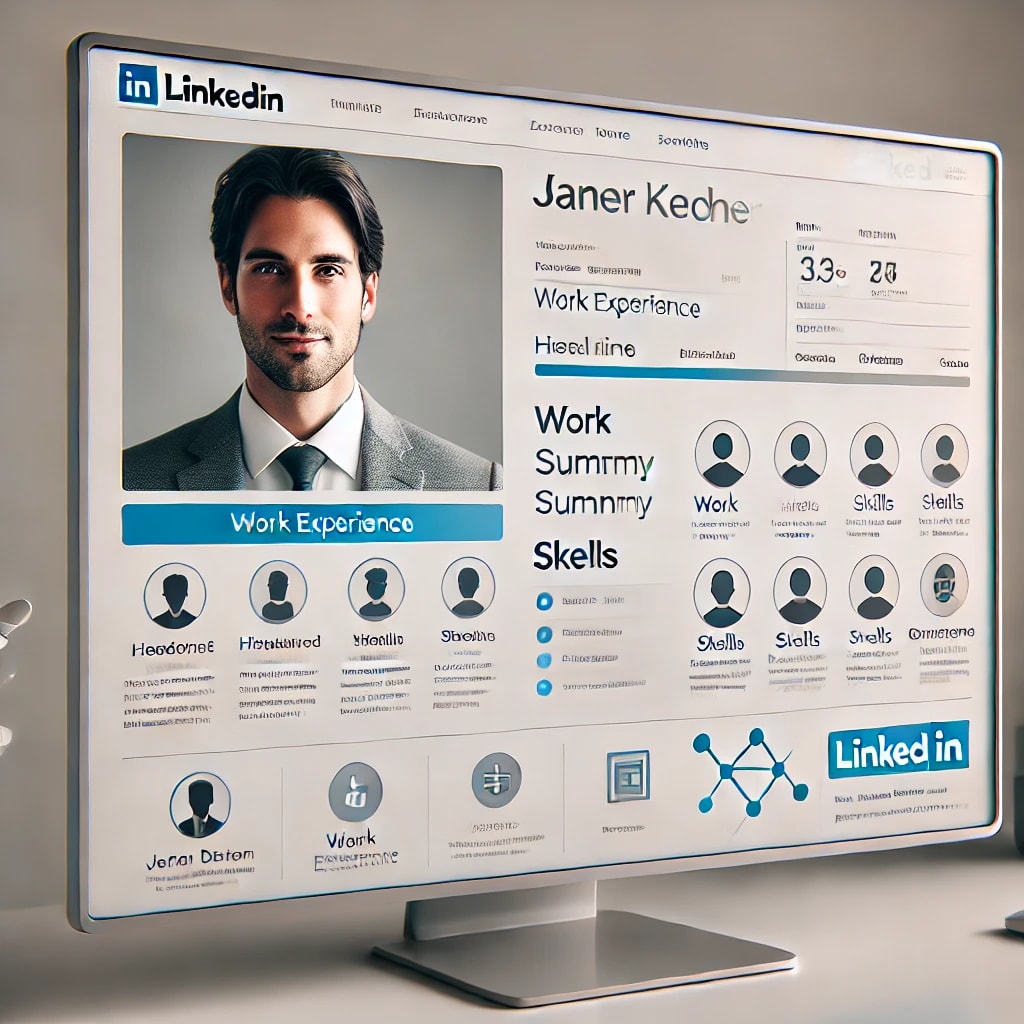
LinkedIn has become an essential tool for professionals across all industries. It’s not just a platform for job seekers, but a powerful medium for building your personal brand, expanding your network, and showcasing your skills and achievements. However, creating a LinkedIn profile that stands out among millions of users requires specific strategies. In this article, we’ll explore tips and strategies to build an effective and optimized LinkedIn profile that attracts the right attention.
1. The Importance of an Effective LinkedIn Profile
Having a well-crafted LinkedIn profile is no longer an option, but a necessity for those who want to be noticed in the professional world. An optimized profile not only reflects your skills and experiences but also communicates your professionalism and attention to detail.
1. First Impressions: Your LinkedIn profile is often the first point of contact a potential employer, colleague, or client has with you. A clear, concise, and engaging presentation can make the difference between a missed opportunity and a thriving career. This aspect is particularly crucial in a competitive environment where opportunities often arise through connections rather than direct applications.
2. Visibility: A complete and optimized profile increases your visibility in LinkedIn and Google searches, making it easier for those looking for professionals with your skills to find you. The presence of strategic keywords throughout your profile improves your ranking in search results, ensuring you get more exposure and, consequently, more opportunities for contact and networking.
3. Networking: LinkedIn is a professional social network. A well-done profile allows you to expand your network, connect with industry leaders, and participate in relevant discussions that can enhance your career. Networking is a critical aspect, as many career opportunities and professional growth emerge through connections and the visibility gained on this platform.
4. Credibility: A detailed and updated profile enhances your professional credibility. Recommendations and endorsements from colleagues can serve as powerful testimonials of your value. Moreover, a complete and well-maintained profile shows that you take your career and online presence seriously.
2. Optimizing Your Professional Headline and Profile Photo
Your professional headline and profile photo are among the most visible elements of your LinkedIn profile. They need to capture attention and clearly communicate who you are and what you do.
1. Professional Headline: The headline is more than just a description of your current job; it’s a statement of value. Use keywords that reflect your skills and are relevant to the industry you operate in. For example, instead of a generic “Project Manager,” you could use “Project Manager Specializing in IT Project Management and Process Optimization.” This headline not only specifies your role but also highlights the areas where you excel, making it easier for those seeking those specific skills to connect with you.
2. Profile Photo: A professional photo is crucial. Ensure it is recent, high-resolution, and presents you in a professional manner. A neutral background and formal or business-casual attire are generally the best choices. Remember, your profile photo is one of the first elements anyone will notice on your profile. A high-quality photo not only enhances your image but also sends a message of professionalism and seriousness.
3. Visual Consistency: Make sure your profile photo is consistent with the rest of your online presence. If you use other professional platforms, such as a personal website or other social networks, try to maintain some visual consistency. This helps build a recognizable personal brand and reinforces your professional image.
4. Implicit Message: Consider the message your photo conveys. For example, a slight smile can communicate openness and friendliness, while a more serious posture can emphasize your professionalism. It’s important that your photo supports the message you wish to convey to your connections.
3. Creating a Compelling and Professional Summary
The summary is the section where you have the opportunity to tell your professional story in a personalized and engaging way. This section should answer the questions: Who are you, what do you do, and what are you looking for professionally?
1. Structure and Content: Start with a compelling sentence that grabs attention. Follow with a brief description of your main skills and achievements. It’s helpful to use keywords that might be searched by recruiters in your industry. Conclude with a call to action that invites others to connect with you or contact you for collaborations. The structure of the summary should be fluid and inviting, allowing readers to quickly understand your professional journey and aspirations.
2. Tone and Style: Maintain a tone that is professional but personal. Avoid overly technical or excessively formal language; you want to appear approachable and confident, not distant. A tone that reflects your personality can make the summary more memorable and differentiate you from other profiles. This is particularly useful in competitive industries, where a personal connection can make all the difference.
3. Regular Updates: The summary isn’t static. Update this section as you achieve new goals or acquire new skills. This not only keeps your profile current but also demonstrates your continuous professional development. Keeping the summary aligned with your professional growth is essential to accurately reflect your current position in the job market.
4. Integration with Other Sections: The summary should integrate with the other sections of your profile. For example, if you mention a key skill in the summary, make sure to highlight it in the skills section as well. This consistency helps create a solid and convincing image of your professional journey.
4. Detailing Experience and Skills Strategically
The sections dedicated to experience and skills are crucial for showcasing your professional evolution and abilities. It’s important not only to list the roles you’ve held but to describe them in a way that highlights your contributions and achievements.
1. Experience Descriptions: For each role, provide a clear and concise description of your main tasks and achievements. Use action verbs (e.g., “managed,” “coordinated,” “developed”) and quantify results when possible (e.g., “increased ROI by 20%”). These descriptions should be structured to emphasize your added value, making it clear how your actions had a significant impact.
2. Skills: LinkedIn allows you to list up to 50 skills. Carefully choose those that are most relevant to your industry and the type of opportunities you’re seeking. Request endorsements from colleagues and connections to boost your profile’s credibility. Endorsements not only increase your credibility but also provide social proof of your abilities.
3. Projects and Certifications: Don’t forget to add any significant projects and relevant certifications. These elements can give your profile an extra edge, further demonstrating your expertise. Projects and certifications offer a tangible view of your capabilities and your commitment to professional improvement. It’s a way to demonstrate not just what you know, but how you apply your knowledge in practical contexts.
4. Consistency and Updates: Maintain consistency between your work experiences and listed skills. Regularly update your information to reflect your growth and new skills acquired. This helps present you as a continuously evolving professional, always ready to seize new opportunities. Consistency across the various sections of your profile strengthens your professional narrative, making it more credible and compelling.
5. Building and Maintaining Professional Relationships
LinkedIn is not just a showcase of skills but also a powerful networking tool. Your network of contacts can significantly influence the opportunities that will come your way.
1. Strategic Connections: Don’t limit yourself to connecting only with people you know. Try to expand your network by connecting with industry leaders, influencers, and professionals with whom you share common interests. However, avoid sending connection requests without personalizing the message. A strategic approach to networking can open doors that would otherwise remain closed, creating connections that can be pivotal for your professional growth.
2. Active Participation: Share updates, articles, and comments that may be useful and interesting to your network. Your activity on the platform can improve your visibility and strengthen your personal brand. Being actively involved in your professional network’s life demonstrates that you are a relevant and engaged member of your professional community, increasing your chances of being considered for new opportunities.
3. Groups and Discussions: Participating in groups relevant to your industry is a great way to meet new contacts and showcase your expertise. Actively contribute to discussions by sharing opinions and useful resources. LinkedIn groups are goldmines for networking and continuous learning. Being active in these spaces allows you to stay updated on the latest trends in your field and make new meaningful connections.
4. Nurturing Existing Connections: Don’t forget to maintain relationships with your current connections. Invite them to discuss projects, ask for updates, or simply keep in touch to strengthen the bond. Strong connections are built over time and require constant care and attention.
6. SEO Strategies to Increase Profile Visibility
Search Engine Optimization (SEO) isn’t just for websites. Your LinkedIn profile can also benefit from SEO techniques to improve its visibility in search results.
1. Keyword Use: Identify the most relevant keywords for your industry and include them in key sections of your profile, such as the headline, summary, and experience descriptions. This will increase the likelihood that your profile appears in relevant searches. Keywords are crucial for being found by recruiters and industry professionals. A strategic use of them can significantly increase your visibility.
2. Custom URL: LinkedIn allows you to customize your profile URL. Choose a URL that includes your full name or professional name to improve your visibility in search engines. A custom URL not only improves your profile’s ranking in search results but also makes it easier for potential contacts to find and connect with you.
3. Regular Updates: Keep your profile updated and active. Every update you make helps keep your profile relevant in search results. Search engines, including LinkedIn’s, favor fresh and updated content, so keeping your profile active can make a difference in your visibility.
4. Integration with Other Platforms: Consider linking your LinkedIn profile to other professional platforms or your website. This not only improves SEO but also creates an interconnected network of content that strengthens your personal brand.
7. Keeping Your Profile Updated and Dynamic
An effective LinkedIn profile is one that is constantly evolving. It’s crucial not only to complete it once but to keep it updated with your latest experiences, skills, and achievements.
1. Frequent Updates: Every time you acquire a new skill, receive a certification, or complete a significant project, add it to your profile. This not only makes it more complete but also shows that you are a growing professional. An active and updated profile demonstrates that you are continuously evolving and committed to your professional development.
2. Performance Monitoring: LinkedIn offers tools to monitor profile views and interest generated. Use this information to understand what works and what can be improved. Monitoring your profile’s performance helps you make strategic adjustments that can increase your visibility and professional appeal.
3. Continuous Engagement: Don’t just complete your profile and leave it there. Engage with the LinkedIn community by participating in discussions, sharing content, and building your presence on the platform. Continuous engagement not only keeps your profile active but also strengthens your reputation as a knowledgeable and committed professional in your field.
4. Periodic Review: Every few months, take some time to review and update your profile. You may have new experiences to add or want to rephrase some sections to make them more effective. This regular review process ensures that your profile always keeps pace with your career and professional ambitions.
Conclusion
Building an effective LinkedIn profile requires time, care, and strategy. However, the benefits – from increased visibility to new professional opportunities – make this investment absolutely worthwhile. By following the tips and strategies discussed in this article, you will be able to create a profile that not only best represents who you are but also helps you achieve your professional goals.
About the Creator
Fabio Smiraglia
I am a passionate content writer with extensive experience in crafting engaging texts for blogs, websites, and social media. I love telling stories, informing, and connecting with audiences, always with creativity and precision.
Keep reading
More stories from Fabio Smiraglia and writers in Education and other communities.
The Importance of Foreign Languages in the Era of Globalization
Introduction In the era of globalization, learning foreign languages has become a crucial aspect of personal and professional development. With increasing interconnectedness between countries and cultures, the ability to communicate in multiple languages not only enriches individual skills but also opens new opportunities in the global job market. This article explores the importance of foreign languages in contemporary society, analyzing the economic, cultural, and personal benefits derived from the knowledge of multiple languages.
By Fabio Smiragliaabout a year ago in Education
The Madness of King Trump
In light of what Trump has done in the wake of his unlawful attack on Venezuela and his unhinged quest to take over Greenland it becomes necessary for the military to refuse any and all orders coming out of the Dept. of Defense and the Trump Administration. Trump has once again proved to the rest of the world his delusions of grandeur have taken over from diplomatic solutions that would improve the quality of life for all populations.
By Dr. Williams3 days ago in Education
Emerging Trends in Hospitality Marketplaces Driving the Next Wave of Growth
Hospitality marketplaces are changing how travel businesses connect with guests. These platforms now shape pricing, visibility, and guest trust. As technology improves and travel habits shift, hospitality marketplaces are becoming more advanced and more selective. Businesses that understand these changes can stay ahead while others struggle to adapt.
By Jason Nissen3 days ago in Education


Comments
There are no comments for this story
Be the first to respond and start the conversation.